2025 Top Storm Doors: What Features to Look for and Benefits Explained
As homeowners increasingly seek to enhance their property’s energy efficiency and curb appeal, storm doors have emerged as a critical component in home improvement. According to industry expert John Smith, a leading figure in home construction and renovation, “The right storm door not only elevates your home's aesthetic but also provides invaluable insulation against harsh weather conditions.” With rapidly changing climates and the rising costs of energy, selecting the best storm door for your home can yield long-term benefits in comfort and savings.
When considering the ideal storm door for your residence, it's essential to focus on key features that align with your specific needs. These may include material durability, design aesthetics, and additional functionalities such as built-in screens or enhanced security measures. By carefully evaluating these features, homeowners can ensure they are making an informed decision that complements their lifestyle while safeguarding their investment.
In this guide, we'll explore the top options available for storm doors in 2025, delving into essential characteristics that contribute to both performance and style. Understanding these aspects will empower you to choose the right storm door that not only protects your home but also enhances its overall value.
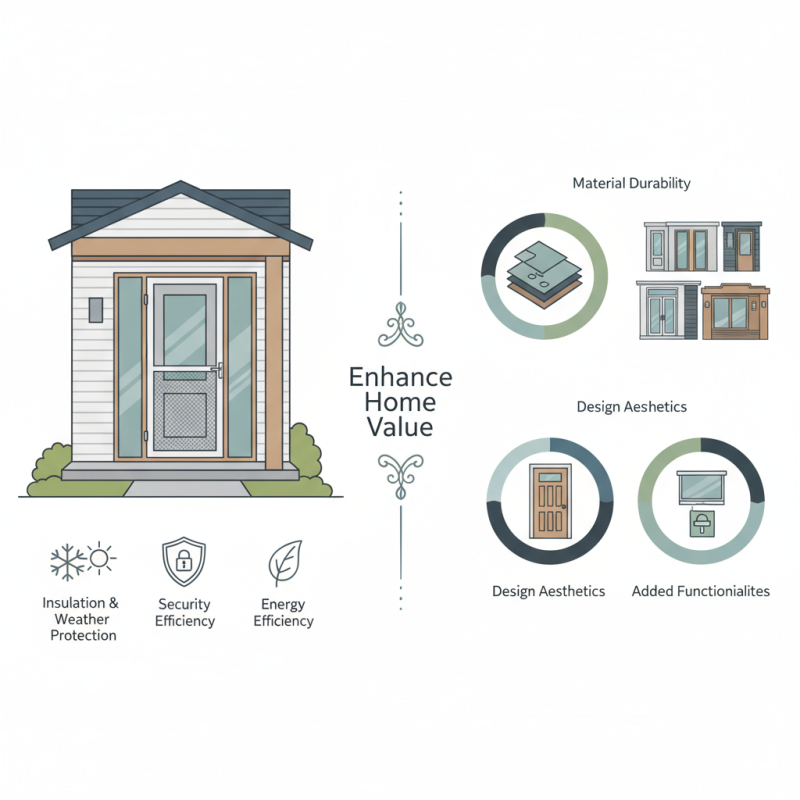
2025 Storm Doors: Key Features to Enhance Home Energy Efficiency
When selecting storm doors for enhanced home energy efficiency in 2025, several key features should be prioritized. First and foremost, look for doors with high insulation values. Energy-efficient storm doors are often constructed with materials such as fiberglass or materials that provide a solid thermal barrier, helping to regulate indoor temperatures. Additionally, doors with dual weather stripping further enhance their sealing capabilities, minimizing drafts and preventing heat loss during colder months while keeping the cool air inside during summer.
Another important consideration is the presence of clear, low-emissivity (Low-E) glass. This type of glass is designed to reflect heat while allowing natural light to enter, which can significantly improve energy savings by reducing reliance on artificial lighting and climate control systems. Furthermore, ensure that the storm door includes features like adjustable and removable screens, which can provide ventilation without compromising insulation. These modern advancements not only contribute to energy efficiency but also improve the overall comfort and livability of a home, making storm doors an essential investment for homeowners looking to enhance their energy performance in the coming years.
Durability Factors: Comparing Common Materials for Storm Doors
When selecting a storm door, the material used significantly affects its durability, performance, and longevity. The most common materials for storm doors are aluminum, fiberglass, and wood. According to industry reports, aluminum doors are known for their lightweight properties and resistance to rust and corrosion, making them ideal for humid environments. Conversely, fiberglass doors offer superior energy efficiency, thanks to their excellent insulation capabilities. They are often considered the best choice for extreme weather conditions, as they can withstand both intense heat and icy cold without warping or cracking.
Wood doors provide a classic aesthetic and natural insulation but require more maintenance, as they are susceptible to weather damage and rot. A study by the Door and Hardware Institute indicates that while wood doors offer beauty, homeowners should expect to repaint or refinish them every few years to maintain their condition. This maintenance could offset some of the cost-effectiveness of choosing a wood option initially.
Tips: When evaluating storm door materials, consider your local climate and how often you're willing to maintain the door. Additionally, check for energy efficiency ratings, as higher-rated doors can reduce energy bills significantly. Choosing the right material not only enhances your home’s exterior but also contributes to long-term savings and peace of mind.
Weather Resistance Testing Standards for 2025 Storm Door Designs
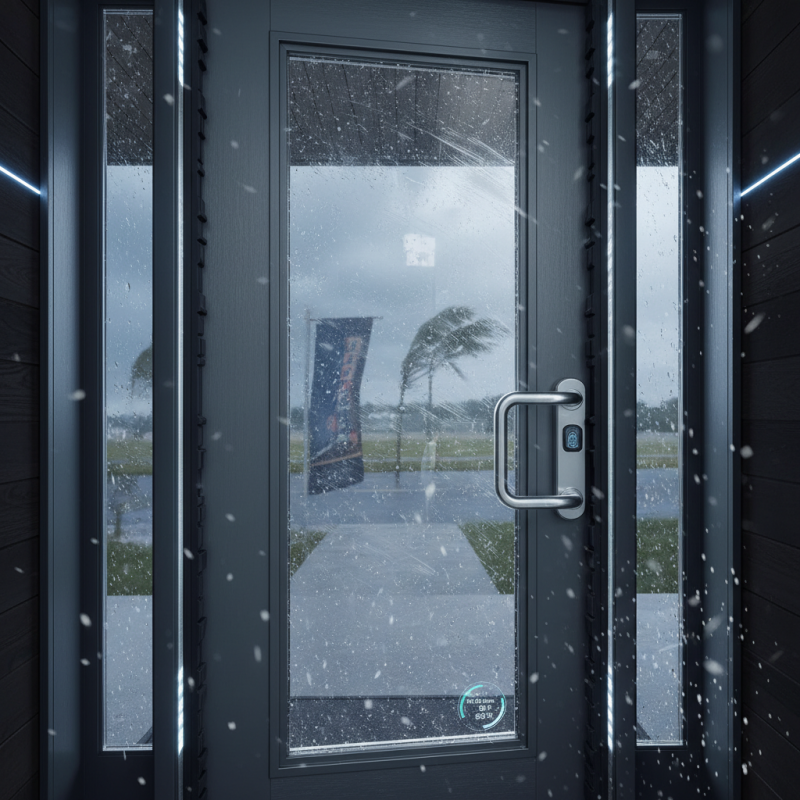
As homeowners seek effective solutions to shield their properties from extreme weather conditions, the importance of storm doors is increasingly recognized. In 2025, the emphasis on weather resistance in storm door designs will be paramount. Manufacturers must adhere to rigorous testing standards that evaluate not only the durability of materials but also their ability to withstand various environmental stresses. These standards involve assessments of wind resistance, water infiltration, and thermal performance to ensure that storm doors provide both protection and energy efficiency.
Weather resistance testing is essential in identifying the most reliable storm door options. Tests are conducted under controlled conditions, simulating severe weather scenarios, to measure how well doors can resist high winds and heavy rain. Additionally, thermal testing is critical, as it determines a door's effectiveness in reducing energy loss, which can significantly impact heating and cooling costs. Homeowners should look for storm doors that not only meet but exceed these testing benchmarks, ensuring they invest in products that will stand the test of time while safeguarding their homes against the elements.
Aesthetic Considerations: Styles and Finishes for Modern Storm Doors
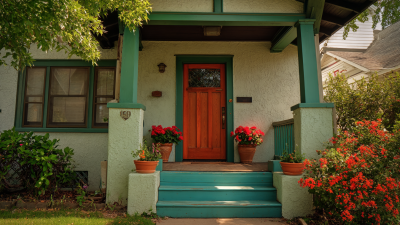
When selecting a top storm door in 2025, aesthetic considerations play a crucial role in enhancing the overall look of a home while providing functional benefits. Modern storm doors now come in a variety of styles and finishes, allowing homeowners to choose designs that resonate with their personal taste and the architectural style of their residence. Reports indicate that over 60% of homeowners prioritize aesthetics when upgrading exterior features, highlighting the growing trend of integrating practicality with beauty.
The most sought-after styles range from sleek, contemporary designs featuring minimalist lines to classic options that reflect traditional craftsmanship. Finishes, including custom colors and durable coatings, offer added protection against the elements while improving the door's visual appeal. According to industry research, homeowners can expect a return on investment of up to 70% when enhancing their entryway aesthetic with high-quality storm doors, emphasizing that a well-chosen exterior can significantly elevate property value. The right combination of style and finish not only boosts curb appeal but also contributes to energy efficiency, promoting a comfortable home environment.
2025 Top Storm Doors: What Features to Look for and Benefits Explained
| Feature |
Description |
Benefits |
Aesthetic Options |
| Material |
Common materials include fiberglass, steel, and aluminum. |
Durability and energy efficiency. |
Available in various finishes like matte, glossy, or textured. |
| Energy Efficiency |
Insulated models provide better thermal performance. |
Reduction in energy bills and improved comfort. |
Customizable colors to match home aesthetics. |
| Security Features |
Reinforced frames and locks. |
Enhanced protection against intruders. |
Various design patterns that complement traditional or modern styles. |
| Storm Resistance |
Designed to withstand strong winds and impact. |
Increased safety during storms or severe weather. |
Variety of colors and finishes to fit modern architecture. |
| Maintenance Requirements |
Low-maintenance options like fiberglass or vinyl. |
Less time and cost spent on upkeep. |
Smooth finishes that are easy to clean and maintain. |
Cost vs. Benefit Analysis of Installing Storm Doors in 2025
When considering the installation of storm doors in 2025, homeowners should evaluate the cost versus benefits thoroughly. Industry reports indicate that the average cost of purchasing and installing a storm door can range between $200 and $1,200, depending on materials and design choices. However, this initial investment can yield substantial long-term savings. According to the U.S. Department of Energy, adding a storm door can reduce heat loss in the winter by up to 50%, leading to significant reductions in energy bills. Homeowners can expect to recoup about 70% of their investment through lower energy costs over time.
Additionally, storm doors provide an extra layer of protection against harsh weather conditions and can enhance the overall durability of entry doors. The National Association of Home Builders reports that homes with storm doors can benefit from increased home value, attributed to improved energy efficiency and aesthetic appeal. Furthermore, these doors can help prevent drafts and enhance indoor comfort, potentially improving the overall quality of life for residents. Considering these aspects, the overall cost of installation may be justified by the myriad of benefits, making storm doors a worthwhile consideration for homeowners in 2025.
2025 Top Storm Doors: Cost vs. Benefit Analysis



Share On: