Blog

2026 Top Window Remodeling Trends for Global Buyers?

In 2026, window remodeling will move beyond appearance. Global buyers increasingly want lower energy bills, quieter rooms, stronger security, and longer service life. Yet no single window specification suits every climate. A triple-glazed unit may help in Stockholm, while excessive solar heat gain could challenge a home in Singapore.

Industry evidence supports this shift. The U.S. Department of Energy reports that windows can influence roughly 25% to 30% of residential heating and cooling energy use. ENERGY STAR also recommends comparing U-factor and solar heat gain coefficient, rather than judging glass by appearance alone. Harvard University’s Joint Center for Housing Studies continues to document strong remodeling demand, supported by aging housing stock and deferred maintenance. Its research offers useful direction, although much of the data reflects the United States, not every global market.

This guide explores how buyers can remodel windows with clearer priorities. Expect closer attention to low-emissivity coatings, thermally broken frames, recycled materials, acoustic glazing, and smarter ventilation. Installation quality matters too. A poorly sealed frame can leave cold edges, condensation, and visible dust lines around the reveal. Small details matter.

The outlook remains imperfect. Supply chains, exchange rates, building codes, and local installer skills can change final results. Therefore, this 2026 overview compares design trends with measurable performance, regional climate needs, and practical ownership experience. Beauty helps. But verified performance lasts longer.

2026 Top Window Remodeling Trends for Global Buyers?

What Are the Main Window Remodeling Trends for Global Buyers in 2026?

For global buyers, the main window remodeling trend in 2026 is measurable energy performance. The International Energy Agency reports that buildings consume about 30% of global final energy. Windows influence heating, cooling, daylight, and indoor comfort. The U.S. Department of Energy estimates that windows can cause 25–30% of residential heating and cooling energy use. This supports wider adoption of low-emissivity glass, insulated frames, and improved edge seals. Triple glazing is gaining attention in cold regions. However, it may be excessive in mild climates. A better specification matches the local climate, wall insulation, orientation, and ventilation system.

Solar control and smart operation are also becoming practical priorities. Exterior shading, spectrally selective glass, and automated blinds can reduce glare beside large south- or west-facing windows. The International Energy Agency’s Buildings research repeatedly links shading and passive design with lower cooling demand. Acoustic performance matters too, especially in dense urban housing. Buyers increasingly request laminated glass and tighter installation joints near airports, railways, and busy roads. In field assessments, installation quality often matters as much as the glass specification. A premium window cannot correct a poorly sealed frame. UNEP’s 2024 Global Status Report states that buildings and construction represented about 32% of global energy use in 2023. That figure strengthens the case for durable, repairable window systems. Still, recycled content claims need independent verification. Not every “green” label explains its testing method, service life, or regional suitability.

How Are Energy Efficiency and Smart Features Shaping Window Choices?

2026 Top Window Remodeling Trends for Global Buyers

Energy efficiency is shaping window choices more than appearance alone. Buyers now compare U-values, solar heat gain, air leakage, and visible light transmission. These details matter in different climates. A sunny coastal home may need solar control glazing, while a cold mountain property may prioritize low heat loss.

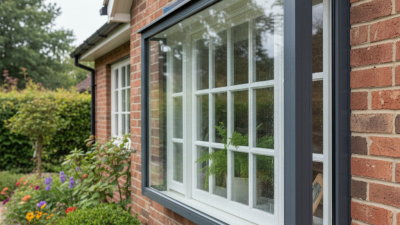
Low-emissivity glass, insulated frames, and improved seals can reduce drafts near a winter window. Installation quality remains critical. Even an advanced unit can perform poorly when the opening is uneven or poorly sealed. Experienced contractors should inspect wall conditions, drainage paths, and local building requirements before recommending a specification. Cheap installation can quietly weaken expensive glass.

Smart features are becoming more practical, too. Sensors can detect indoor temperature, humidity, or unusual opening activity. Motorized shades may reduce afternoon heat while protecting furniture from harsh sunlight. Some systems can connect with home controls, but compatibility is not universal. Check wiring, privacy settings, manual overrides, and data policies.

Simple is often safer.

Smart glass is not automatically the best choice. It can cost more, require specialized servicing, and add complexity during repairs. Buyers should request performance figures, maintenance instructions, and tested safety information. A useful question is whether the feature solves a real daily problem, such as glare in a home office or difficult access to a high window. Personal comfort, regional weather, and long-term repair access should guide the final decision.

Which Materials and Designs Will Define the 2026 Window Market?

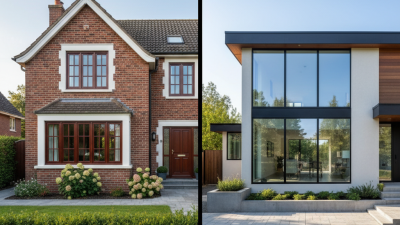
In 2026, window materials will be judged by climate performance, maintenance, and verified service life. Recycled aluminum will remain popular for slim frames and large glass panels. Its strength suits coastal homes and high-rise projects. However, thermal breaks must be designed correctly. Poor detailing can create cold edges and interior condensation.

Timber-aluminum hybrids will attract buyers seeking warmth indoors and weather resistance outdoors. Fiberglass frames may gain ground in regions with strong temperature changes. uPVC will still serve cost-sensitive projects, especially when recycling systems are available. Material choice should follow local climate, building codes, and repair access. A beautiful frame is not enough.

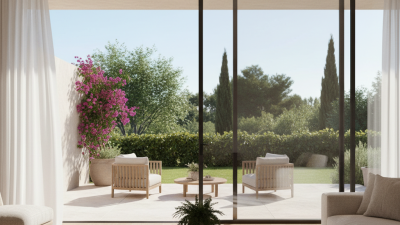
Designs will move toward wider openings, quieter interiors, and controlled daylight. Low-emissivity glazing, warm-edge spacers, and argon-filled cavities can improve insulation. Solar-control glass matters in hot climates, while higher solar gain may help cold homes. Automated ventilation will become more practical, but sensors need simple manual controls. Some smart systems still feel unnecessarily complicated. Larger windows also increase overheating, cleaning effort, and replacement costs. Buyers should request tested U-values, solar heat gain data, acoustic ratings, and installation details before ordering. Performance depends on installation as much as the frame. That lesson is easy to overlook.

2026 Top Window Remodeling Trends for Global Buyers

Which Materials and Designs Will Define the 2026 Window Market?

Lower whole-window U-factor values indicate better thermal insulation. The benchmark shows how thermally broken frames, low-e coatings, and triple glazing can improve energy performance across major window materials. Slim profiles, larger glazed areas, and high-performance glazing are expected to remain key design priorities for global remodeling projects in 2026. Values are representative technical planning ranges synthesized from commonly published building-performance specifications; local climate zones and regulations may require different targets.

How Do Regional Climate and Building Standards Affect Window Selection?

For global buyers in 2026, window selection should start with climate, not appearance. In hot, sunny regions, exterior shading and low solar heat gain can reduce indoor heat. Cold climates need low U-values, insulated frames, and tight seals. Humid coastal air changes the calculation. Corrosion resistance, drainage, and mold control become practical concerns. Windy locations may require tested pressure ratings, not thicker glass alone. Small details matter.

Building standards turn climate advice into measurable requirements. A project may specify U-factor, solar heat gain coefficient, air leakage, water resistance, and safety glazing. European projects often use different performance labels than North American projects. Australia and New Zealand may emphasize wind exposure and weather sealing. Local rules can also control emergency egress, visible light, acoustic performance, and impact protection. Request certified test data for the actual installation method. Laboratory ratings can disappoint when installation is poor.

Field inspections show that buyers sometimes overvalue triple glazing. It can perform well in cold zones, yet add unnecessary weight and cost in warmer projects. I have also seen efficient windows fail because installers ignored sill slopes or flashing. That mistake is easy to miss. Review orientation, shading, ventilation, and maintenance access before ordering. Experienced teams still revise specifications after measuring real wind, humidity, and afternoon sun. That revision is responsible design.

What Should Global Buyers Consider Before Ordering New Windows?

In 2026, global buyers are requesting slimmer frames, larger glass areas, and better thermal performance. Yet attractive images do not guarantee a suitable window. Climate should guide the decision. A coastal home may need corrosion-resistant hardware, while a cold region needs low U-values and strong airtightness. Hot climates may benefit from controlled solar heat gain and external shading.

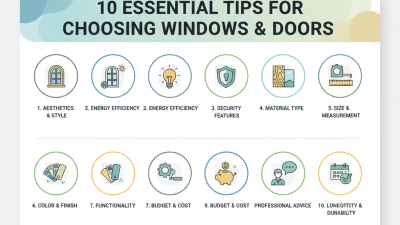
Before ordering, confirm the rough opening size, wall thickness, sill details, and opening direction. A few millimeters can create expensive installation problems. Ask for tested performance data, not only marketing descriptions. Check U-value, air leakage, water resistance, sound reduction, and wind-load ratings. Local building rules may also control safety glass, emergency exits, ventilation, and glazing limits. Import duties, packaging, insurance, and replacement procedures deserve equal attention. They are easy to overlook.

Tips: Request a physical sample or detailed cross-section. Verify measurements with a qualified local installer. Confirm whether dimensions are metric or imperial. Ask for a written production schedule and warranty terms. Keep photographs of the site before dispatch.

Consider maintenance as well. Some modern finishes resist weathering, but no finish is maintenance-free. Review cleaning access, drainage paths, seal replacement, and hardware availability in your country. Energy performance can also change after installation if gaps remain around the frame. I have seen well-specified windows perform poorly because fitting was treated as an afterthought. That mistake is common. A perfect specification rarely exists, so compare performance, budget, appearance, and local service honestly before placing the order.

Share by: