
A Dock Shelter can look simple from the yard: a frame, flexible curtains, and a truck backed against the loading bay. Yet a poor match may leave gaps around the trailer, catch on mirrors, or wear quickly under daily forklift traffic. Buyers need to compare the shelter with the vehicles and working conditions it will actually face. Small details matter. Trailer width, dock height, approach angle, and loading frequency all affect fit and performance.
This guide covers seven practical checks for global buyers, from measuring the dock opening to reviewing fabric, frame strength, sealing, installation, and after-sales support. Ask suppliers how their products handle repeated compression, temperature changes, and exposure to rain or sunlight. Request clear drawings and written specifications. A brochure photo cannot show how a shelter behaves after months of busy shifts. Real operating conditions can be less tidy than a product sheet suggests.
A useful buying principle is: “Choose for the dock you operate, not the brochure you like.” No source material was provided to verify a named Dock Shelter expert or an exact quotation, so assigning those words to a person would risk misleading readers. Before publication, add a verified expert’s name and a directly sourced quote. That small pause is worthwhile.
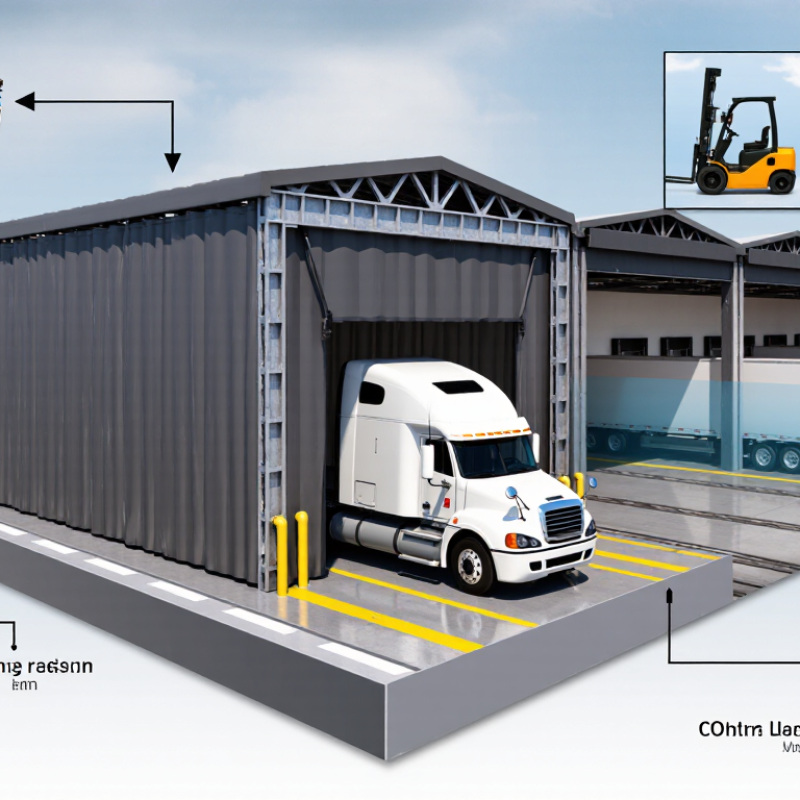
A dock shelter forms a flexible seal around a truck trailer at the loading bay. It helps limit drafts, rain, dust, and temperature exchange while goods move between vehicle and building. The U.S. Department of Energy’s 2018 report, The Future of Cooling, estimates that space cooling used about 2,000 TWh of electricity worldwide in 2016, nearly 10% of global electricity use. That figure is not a dock-shelter savings estimate, but it shows why controlling unwanted air exchange matters in temperature-managed facilities. Shelters also give staff a more defined working area around the dock opening.
Tips: Match shelter size to the trailers you actually receive. Check side and top gaps during a live loading cycle, not only when the dock is empty. Inspect fabric, frames, and fasteners for tears or looseness. A snug appearance can mislead; fit depends on trailer height, approach angle, and dock position.
For chilled goods, even brief door openings can challenge temperature control. A shelter can reduce exposure, but it cannot replace sound door discipline or suitable refrigeration. Consider traffic volume, vehicle variation, and maintenance access before selecting a design. Small details matter: a damaged corner flap or poorly aligned trailer can leave a noticeable gap. Recheck performance after installation, since the first fit may not be the final fit.
Start with the dock, not the product catalogue. Measure opening width and height, wall depth, bumper projection, and the space available for vehicle approach. Record the smallest and largest trailers using each bay. A shelter that seals one trailer neatly may obstruct another’s doors or rub against its roof. Check turning paths too. A few centimetres can matter.
Vehicle mix deserves careful attention. FHWA and BTS’s Freight Facts and Figures 2023 reports that trucks carried about 72% of U.S. domestic freight by value in 2022. That figure is not a forecast for your site, but it shows why truck compatibility matters. List rigid trucks, standard trailers, refrigerated vehicles, and any unusually tall or wide loads. Then compare their actual dimensions with the dock opening. Don’t rely only on nominal fleet specifications.
Operating conditions change the choice. Note wind exposure, rain direction, temperature swings, door cycles, and how long vehicles wait at the bay. EPA SmartWay’s idle-reduction guidance estimates that a heavy-duty truck can use about 0.8 gallons of diesel per hour while idling. A shelter cannot solve every delay, but frequent waiting makes fit and sealing worth closer review. One assumption deserves a second look: the busiest bay may not serve the largest vehicle. Check site records before specifying.
Choosing a dock shelter starts with the building, vehicle mix, and loading pattern. Measure trailer heights and widths, then check how often unusual vehicles arrive. A fixed-frame shelter can suit consistent fleets. A flexible curtain design may tolerate more variation. Small gaps matter. Poor alignment can leave daylight around a parked trailer, weakening weather protection and allowing conditioned air to escape.
Material choice depends on exposure and use. PVC-coated polyester is common for curtains because it is flexible and abrasion-resistant; reinforced edges help where trailers rub. In cold or wet climates, inspect fabric, fasteners, and frame coatings for cracking or corrosion risks. The UNEP and GlobalABC 2023 Global Status Report estimates that buildings account for 34% of global energy demand and 37% of energy- and process-related carbon emissions. Those figures cover buildings broadly, not dock shelters specifically, but they underline why air leakage deserves attention. No material is perfect. A heavier curtain may last longer, yet it can be harder to handle; specifications should match actual traffic, not an idealized loading bay. Include replaceable wear panels and verify clearance before ordering.
Suggested planning priorities for comparing dock shelter options
Ratings are illustrative planning guidance, not results from a market survey. Adjust priorities to your vehicle fleet, dock dimensions, climate, traffic, and maintenance requirements.
A dock shelter should seal around the vehicle without blocking its movement. Check the stated vehicle-size range, fabric tear strength, frame flexibility, and resistance to wind and rain. A seal that looks tight in a brochure may leave gaps when trailers vary in height. Small gaps matter. OSHA’s powered industrial truck guidance cites an estimate of about 85 forklift-related deaths and 34,900 serious injuries each year; this is not dock-shelter-specific, but it highlights why clear sightlines and unobstructed access matter at busy loading bays.
Tip: Before ordering, measure several trailers, not just one. Ask for test details on air leakage, fabric durability, and operating temperature. Inspect the shelter with a truck backed into the bay, then check whether workers can see the dock edge and move safely. Test it in rain. Real conditions can expose weaknesses that a showroom inspection misses.
Regional requirements can change the specification. Confirm local fire and building rules, permitted materials, wind-load expectations, and any food or pharmaceutical hygiene requirements. For example, EN 1398 covers dock levellers, not dock shelters, so do not assume one approval covers both. Keep installation records and maintenance instructions available for local review. A simple checklist helps, though it may miss site-specific risks; get a qualified local assessment where requirements are unclear.
A dock shelter should match the building, vehicle fleet, and loading routine—not just the doorway measurements. Ask suppliers for drawings showing opening width, projection, fixing points, and clearance for the tallest trucks. Compare fabric weight, frame construction, and replaceable wear panels. Request technical data and references from installations with similar weather and traffic. A low quote can omit fitting work or spare parts.
Tips: Measure the dock opening at several points; older buildings may not be square. Confirm who checks site dimensions and who handles installation. Ask for written guidance on cleaning, fabric repair, and replacement-part availability. Small details matter.
Installation quality affects sealing and service life. The frame should sit securely against a sound wall, with fixings suited to the actual surface. Keep the shelter clear of sharp edges and check that vehicles can approach without striking its sides. After installation, test it with the vehicle types used on site. Watch for uneven contact or fabric strain. These are easy to miss during a quick handover.
Plan simple inspections around loading activity. Look for loose fixings, torn fabric, bent supports, and water collecting near the base. Clean dirt with methods approved for the material; harsh cleaners may weaken coatings. Keep a brief maintenance log, even if entries are imperfect. It helps identify repeated damage and supports practical conversations with the supplier.
| # | Buying Dimension | What to Evaluate | Practical Checks and Data | Long-Term Consideration |
|---|---|---|---|---|
| 1 | Supplier capability | Assess whether the supplier can engineer, manufacture, document, and support the shelter for your site and market. | Request technical drawings, material specifications, installation instructions, warranty terms, spare-parts information, and references for comparable applications. | Confirm who handles technical questions, replacement parts, and warranty claims in the destination country. |
| 2 | Opening and vehicle fit | Match the shelter to the loading-bay opening and the range of vehicles that use it. | Record opening width and height, dock height, wall condition, approach space, and the dimensions of the smallest and largest vehicles. Check for vehicle variation and alignment at the bay. | Recheck fit if the vehicle fleet, dock equipment, or building opening changes. |
| 3 | Shelter type | Choose a configuration suited to the loading process, vehicle consistency, and exposure conditions. | Head-and-jamb curtain shelters are common for regular vehicle dimensions; retractable designs can accommodate some variation; inflatable shelters provide a closer seal when compatible with the operation and budget. | Compare sealing performance, operating requirements, repair access, and the consequences of downtime for each design. |
| 4 | Materials and exposure | Check that the frame, fabric, fasteners, and moving parts suit local weather and site conditions. | Review fabric composition and coating, UV and abrasion suitability, corrosion protection, drainage details, and stated temperature range. Ask for documented performance data rather than relying on material names alone. | Coastal, cold, hot, dusty, or high-traffic locations may require different material and maintenance choices. |
| 5 | Wind and site requirements | Verify that the design and installation suit the building, local weather exposure, and applicable regulations. | Ask for the design basis and required anchoring details. Have local project professionals confirm applicable wind loads, building structure, fire or energy requirements, and any relevant local codes. | Do not assume a general product rating replaces project-specific engineering or local approvals. |
| 6 | Installation planning | Plan installation around the actual dock condition, site access, and loading schedule. | Arrange a site survey before final sizing. Check wall substrate, mounting clearances, utilities, working-at-height needs, and whether the bay must be taken out of service during installation. | Agree on installation responsibilities, commissioning checks, handover documents, and staff training before work begins. |
| 7 | Maintenance and lifecycle cost | Compare expected upkeep and downtime, not just the initial purchase price. | Set a routine inspection schedule based on use and site conditions. Check fabric, seams, fasteners, frame, moving parts, and signs of impact; keep a record of repairs and replacement parts. | Compare purchase, installation, cleaning, repairs, parts availability, energy or comfort impacts, and planned replacement over the expected service period. |
Note: Suitability, performance, service life, and maintenance intervals depend on the product design, installation quality, usage, and local conditions. Verify project-specific requirements with qualified professionals and the supplier.
476 Main Street - Route 28
Dennisport, MA 02639
Share On: