Blog

Top 10 Best Aluminum Storm Doors for Every Home?

Choosing among the top 10 best aluminum storm doors requires more than comparing prices and polished product photos. The right door should match your climate, entryway, security needs, and daily habits. A coastal homeowner may prioritize corrosion-resistant aluminum and stainless-steel hardware. A busy family may need a closer that will not slam, plus a removable screen for summer airflow.

Building-science expert Joseph Lstiburek offers a practical principle: “Water management is the most important thing.” That advice matters here. A storm door cannot correct poor drainage, an uneven sill, or missing weatherstripping. Measure the opening carefully. Check the hinge side. Inspect the threshold after heavy rain. Small details often decide whether a door feels solid or frustrating.

This guide compares aluminum storm doors by frame strength, glass options, ventilation, locks, installation demands, and long-term value. It considers full-view panels, mid-view designs, retractable screens, pet doors, and reinforced security models. Each choice has trade-offs. No door is perfect. Some attractive models feel flimsy. Some durable doors look plain. That is worth admitting.

You will also see where professional installation may prevent trouble. A slightly crooked frame can cause rubbing, drafts, and a weak latch. We focus on practical observations, manufacturer specifications, and homeowner concerns. The goal is simple: help you choose a dependable entrance door, not merely the most impressive listing. Expect clear comparisons, honest limitations, and details you can verify before ordering.
Top 10 Best Aluminum Storm Doors for Every Home?

What Are Aluminum Storm Doors and How Do They Work?

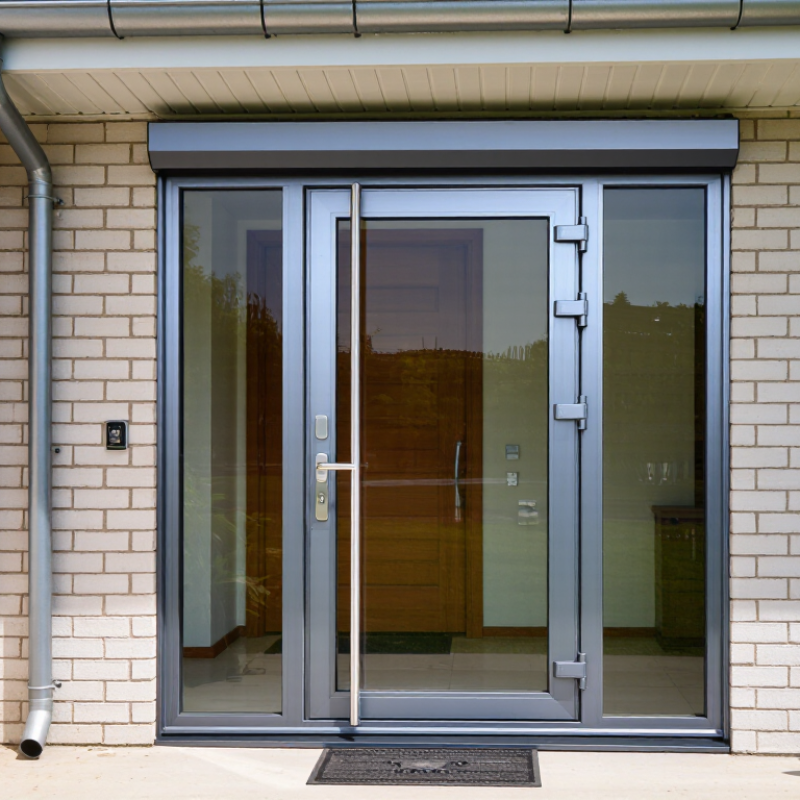
Aluminum storm doors are secondary exterior doors fitted over a home’s main entry door. Their lightweight frames resist rust and handle frequent opening. Most models use interchangeable glass and screen panels. Glass blocks wind and rain, while screens improve airflow during mild weather. The door does not replace the primary door. It adds a protective layer.

A typical storm door works through several simple parts. Weatherstripping seals gaps along the edges. A hydraulic closer controls movement and reduces slamming. A latch keeps the panel secure, while a bottom sweep limits drafts near the threshold. During installation, the frame must sit square. Even a small misalignment can cause scraping, weak seals, or difficult locking. I have found that measuring the opening at several points prevents many frustrating adjustments.

Aluminum storm doors suit entryways exposed to rain, dust, and changing temperatures. Clear glass can brighten a dark hallway, but it may create heat near a sunny doorway. Ventilating screens help, though they do not stop pollen completely. Coastal homes may need corrosion-resistant hardware and regular rinsing. Aluminum can dent under a hard impact, so it is not an absolute security barrier. That distinction matters. Some product descriptions make storm doors sound nearly indestructible, but real performance depends on installation, hinge alignment, and maintenance. Inspect the closer, sweep, and fasteners each season. A loose screw seems minor until the door begins rattling at night.

Key Features to Compare When Choosing a Storm Door

Choosing among the top aluminum storm doors starts with the frame, not the color. Look for corrosion-resistant aluminum with reinforced corners and a firm, square fit. A thin frame may feel light, but it can flex during strong wind. Measure the opening at the top, middle, and bottom. Walls are rarely perfectly even.

Glass and screen options also deserve close attention. Full-view glass brings brighter rooms and clearer outdoor views. Interchangeable panels offer flexibility through changing seasons. Check the screen mesh for tight weaving and clean edges. A removable panel should slide smoothly, without rattling. Ventilation matters.

Do not overlook the hardware. Adjustable closers should control the door without slamming it. A continuous hinge can reduce sagging, while a strong latch improves daily security. Inspect the bottom sweep and threshold seal; small gaps can admit dust, rain, and cold air.

I once focused too heavily on decorative glass and ignored the closer. That was a costly lesson in convenience. Read the installation instructions before purchasing, especially for unusual trim or shallow frames. Confirm the written warranty, replacement-part availability, and recommended maintenance. Some finishes still need gentle cleaning after dusty or salty weather. Personal experience helps, but careful measurements and verified specifications remain more reliable than appearance alone.

Top 10 Aluminum Storm Doors for Different Home Needs

Top 10 Best Aluminum Storm Doors for Every Home?

Choosing among the top aluminum storm doors depends on the home’s actual needs. A drafty entryway benefits from adjustable sweeps, compression weatherstripping, and a closer that controls heavy glass. NFRC explains that U-factor measures heat transfer, while SHGC measures solar heat gain. Look for independently verified ratings when available. Numbers matter more than attractive packaging.

Different homes need different configurations. A shaded northern entrance may benefit from clearer glazing and tighter seals. A sunny west-facing door needs ventilation and controlled solar gain. Homes near the coast require powder-coated aluminum, stainless-steel fasteners, and frequent hardware checks. Aluminum resists rust, but it does not resist every climate equally. Salt air is unforgiving.

Families with pets may prefer a durable screen insert and a low-glass ventilation panel. Older residents may need a lighter operating force and a wide opening. Security-conscious households should choose reinforced frames and tested locking hardware, but a storm door is not a substitute for an impact-rated exterior door. The U.S. Department of Energy identifies air leakage as an important source of building energy loss, making installation quality essential. Even the best frame performs poorly over an uneven threshold. I have seen this mistake repeatedly. Measure twice, inspect the sill, and leave room for seasonal adjustment. Performance can disappoint when convenience wins over fit.

How to Match a Storm Door With Your Home and Climate

Choosing among the top aluminum storm doors starts with your home’s climate, not appearance. The U.S. Department of Energy’s Building America research reports that low-emissivity storm windows can reduce heating and cooling energy use by 12–33 percent. Storm doors are different, but the lesson remains useful. Glass, seals, orientation, and installation all affect comfort. Not always predictably.

In cold climates, choose thermally improved aluminum frames, low-emissivity glazing, compression seals, and an adjustable bottom sweep. The National Fenestration Rating Council identifies U-factor as a measure of heat transfer. Lower values generally benefit heating-dominated homes. Check the jamb. In hot, sunny regions, consider lower solar heat gain, a light-colored finish, and a full screen panel for evening ventilation. NFRC defines solar heat gain coefficient as the fraction of solar radiation entering a building. Lower ratings can reduce unwanted heat.

Humid or coastal homes need powder-coated aluminum, corrosion-resistant fasteners, drainage openings, and replaceable weatherstripping. NOAA’s 1991–2020 Climate Normals show major differences in local temperature and rainfall patterns. A door suited to dry cold may age poorly near salt air. Small gaps matter. Verify that the opening is square, especially in older homes. A perfect specification cannot correct a poorly fitted frame. Compare documented U-factor, solar heat gain, and air-leakage ratings when available. Inspect the sill after the first heavy rain; that simple test often reveals what measurements miss.

Top 10 Best Aluminum Storm Doors for Every Home? - How to Match a Storm Door With Your Home and Climate
Rank Recommended Door Profile Aluminum Construction Glass and Screen Configuration Best Climate Match Typical Residential Sizes Important Selection Criteria
1 Full-View Low-E Storm Door
Best Overall
Extruded aluminum frame with a baked enamel or powder-coated finish; reinforced hinge-side mounting area recommended. Nearly full-height glass with a removable full-length insect screen. Low-emissivity glass can reduce heat transfer compared with ordinary clear glass. Mixed climates, cold winters, and homes that receive strong seasonal sunlight. Common widths: 30, 32, 34, and 36 in.; common heights: approximately 80 or 81 in. Check the door opening, handing, sill condition, and whether the low-E glass is suitable for the amount of direct sun on the entry.
2 Interchangeable-Panel Aluminum Door
Best for Seasonal Flexibility
Lightweight aluminum frame with replaceable glass and screen panels. Glass panel for colder months and full insect-screen panel for warmer months. Panels require seasonal storage when not installed. Regions with distinct summer and winter seasons. Usually available for 30–36 in. wide openings and approximately 80–81 in. high openings. Choose a model with secure panel retainers, corrosion-resistant fasteners, and a panel-storage option.
3 Retractable-Screen Aluminum Door
Best for Daily Ventilation
Aluminum frame with an integrated screen cassette concealed in the top or side rail. Glass remains in place while the insect screen rolls or slides into position when needed. Warm, humid, or temperate climates where ventilation is needed frequently. Commonly designed for 30–36 in. widths; verify the required height and mounting depth for the specific opening. Inspect screen-tension adjustment, bottom sweep design, latch clearance, and resistance to frequent use.
4 Half-View Ventilating Door
Best for Privacy
Aluminum frame with a solid lower panel and a glazed upper section. Fixed or removable upper glass with a screened ventilation section, depending on the configuration. Homes needing privacy, improved lower-door durability, or protection from pets and children. Most often fitted to 30–36 in. wide entry doors with approximately 80–81 in. height. Compare the glass height, lower-panel thickness, kick-panel durability, and ease of cleaning.
5 Triple-Track Ventilating Door
Best for Controlled Airflow
Aluminum frame with multiple horizontal tracks and movable glazed or screened sections. Upper, middle, or lower sections can be opened while the remaining sections stay closed. Moderate climates where adjustable airflow is more useful than a completely open screen panel. Typically suited to standard 30–36 in. entry-door widths; measure the opening height and track clearance carefully. Look for smooth rollers, positive panel stops, weather seals, and accessible track cleaning points.
6 Impact-Resistant Coastal Door
Best for Storm-Prone Coasts
Heavy-gauge aluminum components, corrosion-resistant hardware, and reinforced attachment points. Impact-rated glazing or protected glazing must be specified according to local requirements; ordinary glass is not an equivalent substitute. Coastal areas exposed to salt air, high winds, hurricanes, or windborne debris. Common nominal widths are 30–36 in., but approved sizes and installation details depend on local building codes. Verify the product’s tested wind-pressure and impact ratings, installation method, hardware material, and local code approval.
7 Heavy-Duty Reinforced Aluminum Door
Best for High Traffic
Thicker aluminum rails, reinforced corners, heavy-duty closer, and a more robust latch area. Full-view or half-view glass with a replaceable screen option, depending on the layout. Busy households, rental properties, and entryways exposed to frequent opening and closing. Usually available in 30, 32, 34, and 36 in. widths; height must be matched to the existing opening. Prioritize a continuous hinge or reinforced hinge rail, adjustable closer, replaceable sweep, and serviceable hardware.
8 Insulated Aluminum Panel Door
Best for Cold Weather
Aluminum exterior frame combined with an insulated solid or partially glazed panel. Reduced glass area limits daylight but can improve the door’s resistance to drafts compared with a highly glazed design. Cold climates, windy locations, and entries where winter comfort is a priority. Commonly made for 30–36 in. wide openings and approximately 80–81 in. high openings. Check panel insulation, perimeter weatherstripping, bottom sweep adjustment, threshold alignment, and closer strength.
9 Pet-Resistant Screen Door
Best for Pet Owners
Aluminum frame with a reinforced lower section or replaceable pet-resistant screen area. Screen mesh designed to tolerate more contact than standard insect screen; the exact mesh material varies by model. Warm climates and homes where pets regularly use the entryway. Generally available for standard 30–36 in. entry openings; confirm height and pet-door clearance if applicable. Evaluate mesh repairability, lower-panel protection, latch height, sweep durability, and compatibility with a pet door.
10 Narrow-Fit Custom Aluminum Door
Best for Unusual Openings
Aluminum frame configured for reduced-width, unusual-height, or nonstandard exterior door openings. Available with full-view, half-view, fixed-glass, or screen configurations depending on the measured opening. Older homes, converted porches, side entries, and openings that do not match common nominal sizes. Custom dimensions may be required; do not assume a standard 30–36 in. door will fit. Measure width at the top, middle, and bottom; measure height at both sides; confirm mounting-surface depth and sill slope.
Measurement and climate note: Nominal storm-door sizes are not universal. Always measure the finished exterior opening, confirm the required mounting depth, inspect the threshold and trim, and verify local wind, impact, and egress requirements before selecting a door.

Installation, Maintenance, and Long-Term Value Considerations

Choosing an aluminum storm door is only part of the decision. Installation strongly affects comfort, security, and service life. Measure the doorway at the top, middle, and bottom before ordering. Older frames are rarely perfectly square. I learned that small gaps can create noticeable drafts.

During installation, keep the hinge side plumb and use corrosion-resistant screws. Shims help correct uneven surfaces without forcing the frame. The threshold should shed water away from the house. Apply exterior-grade sealant carefully, especially above the frame. Avoid blocking drainage paths. A closer that slams may damage the frame, while weak tension can leave the door unsecured. Test the latch, sweep, and screen several times.

Maintenance is simple, but easy to neglect. Wash aluminum surfaces with mild soap and clean water twice yearly. Remove salt deposits more often in coastal areas. Check hinges, fasteners, weatherstripping, and the sweep each season. Lubricate moving parts lightly, not excessively. Replace torn screens promptly, since loose material can worsen under wind. Long-term value depends on repairable parts, stable hardware, and proper ventilation. A storm door can protect the entry door and improve airflow, but it will not fix poor insulation around the wall. I once focused too much on appearance and overlooked a warped threshold. That mistake made the door harder to close and reduced its practical value.-vesm

Top 10 Best Aluminum Storm Doors for Every Home

Installation, maintenance, and long-term value considerations

Installation Fit

Common storm-door widths are 30, 32, 34, and 36 inches. Always measure the opening at the top, middle, and bottom before ordering.

Maintenance Routine

Clean the frame and glass seasonally, inspect fasteners and hinges twice a year, and lubricate moving hardware when operation becomes stiff.

Long-Term Value

Aluminum resists rust, while replaceable screens, glass panels, closers, sweeps, and weatherstripping can extend useful service and reduce replacement costs.

Chart data shows common nominal storm-door widths in the residential market. Actual opening dimensions and installation requirements vary by home.

Share by: