Best Storm Windows with Screens for Your Home in 2026?
In 2026, choosing the right storm windows with screens is essential for homeowners looking to enhance energy efficiency and protection. Recent industry reports indicate that homes equipped with storm windows can reduce energy costs by up to 30%. Additionally, these windows provide essential barrier protection against extreme weather, which can lead to costly repairs.
Storm windows with screens not only offer effective insulation but also allow ventilation. This combination is crucial in regions with fluctuating temperatures. A study by the National Fenestration Rating Council states that homeowners can save significantly over time with these installations. Yet, the market is flooded with options, leaving consumers perplexed.
Despite the advantages, selecting high-quality storm windows with screens can be a daunting challenge. Many products fall short in durability. Buyers should be wary of claims that seem too good to be true. Research shows that not all brands deliver on promised performance. It's vital to choose reputable manufacturers to ensure reliability and longevity in your investment.
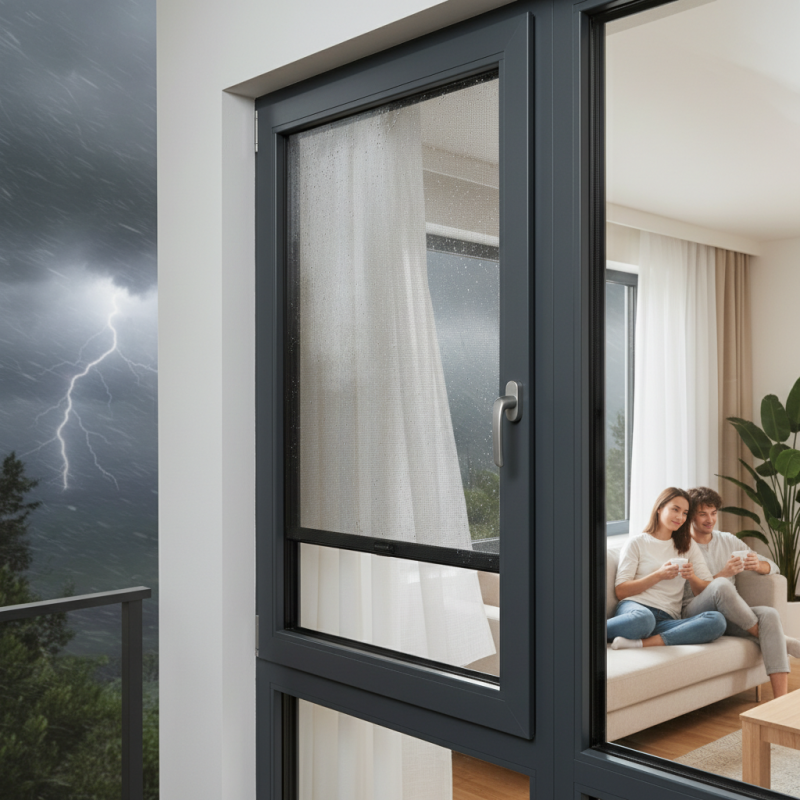
Types of Storm Windows with Screens: A Comprehensive Overview
When considering storm windows with screens, it's essential to explore the various types available. These windows can significantly enhance a home's energy efficiency and protection against harsh weather. According to the U.S. Department of Energy, properly installed storm windows can reduce energy loss by up to 50%. Homeowners often opt for exterior storm windows with screens for added ventilation during summer months.
There are two main types of storm windows: single and double glazed. Single-glazed options are lighter and often cost-effective. However, they provide less insulation than double-glazed windows. Double-glazed windows, while more expensive, offer superior thermal performance. A study by the National Fenestration Rating Council indicates that double-glazed storm windows can improve energy efficiency by 30% over single-glazed versions.
Another aspect to consider is the material. Aluminum is durable and low-maintenance, but it may not provide the best insulation. Vinyl, on the other hand, offers better thermal efficiency but can be influenced by extreme outdoor temperatures. This creates a dilemma for homeowners, necessitating careful consideration of their environment and personal preferences. The choice of storm windows directly impacts comfort and energy costs, making it a crucial decision for any homeowner.
Key Features to Look for in Storm Windows with Screens
When choosing storm windows with screens, focus on durability and energy efficiency. Check the frame material; aluminum and vinyl are popular for their resilience. Look for double or triple glazing to improve insulation. This will help reduce heating and cooling costs.
Screen quality is crucial. Fine mesh screens can block debris and pests, yet still allow airflow. Ensure the screens are easily removable. This feature makes cleaning simple and efficient. Think about additional weatherstripping to enhance efficiency.
Assessing sound insulation is important too. Good storm windows can muffle outside noise. If you live in a busy area, this is a key feature. Remember, not all products will perform the same. Research is vital. Reading reviews from other homeowners can provide insights into performance and satisfaction.
Best Storm Windows with Screens Features Analysis (2026)
Top Brands and Models for Storm Windows with Screens in 2026
When choosing storm windows with screens, several notable brands and models are making waves in 2026. Homeowners appreciate options that blend efficiency with aesthetics. Look for features that enhance thermal performance while minimizing external noise. Many models now offer easy installation, which is a significant plus for DIY enthusiasts.
Innovation in materials is vital. Several manufacturers are utilizing advanced composites to ensure durability and resistance against harsh weather. Some products boast innovative screen technology that minimizes obstructions while boosting airflow. It’s essential to regularly review features and user feedback, as advancements are frequent in this market.
While many products claim to be the best, it's critical to prioritize your unique needs. Climate, architectural style, and personal preferences matter. Don’t overlook warranties and customer support when making your choice. A reliable window system can save money in the long run, but finding the perfect fit can take time.
Best Storm Windows with Screens for Your Home in 2026
| Model |
Material |
Energy Efficiency Rating |
Price Range |
Screen Type |
Warranty |
| StormGuard Pro |
Vinyl |
R-5 |
$300 - $450 |
Retractable |
Limited Lifetime |
| WeatherStop Shield |
Aluminum |
R-4.5 |
$250 - $400 |
Fixed |
10 Years |
| EcoStorm Series |
Fiberglass |
R-6 |
$350 - $500 |
Insect Screen |
15 Years |
| HurricaneSecure Plus |
Steel |
R-4 |
$400 - $600 |
Removable |
20 Years |
Installation and Maintenance Tips for Storm Windows with Screens
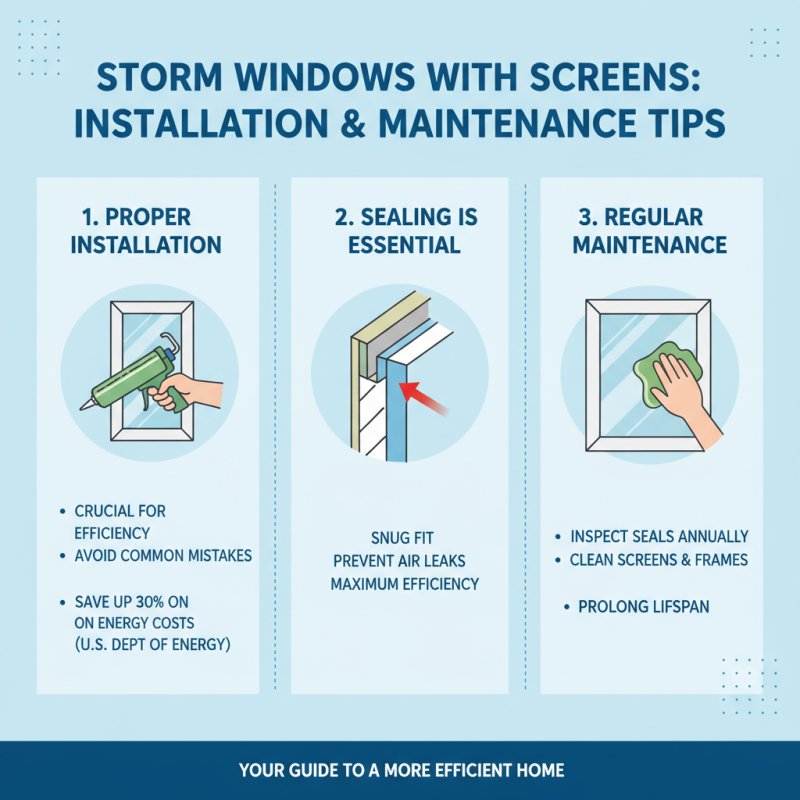
When considering storm windows with screens, proper installation is crucial. Avoiding common mistakes can save you time and money. The U.S. Department of Energy states that well-installed storm windows can reduce energy costs by up to 30%. Proper sealing is essential. Always ensure that the frame fits snugly. Even a small gap can cause significant air leaks, diminishing efficiency.
Maintenance also plays a vital role in their longevity. Regular inspections should be part of your routine. Look for signs of wear or damage, especially around the seals. According to the National Association of Home Builders, regular upkeep can extend the lifespan of storm windows up to 15 years. Clean screens with a soft brush to prevent dirt buildup. A simple soap solution can keep them looking new.
Additionally, consider the environment. Using sustainable materials can offer benefits. Research shows that eco-friendly storm windows can improve air quality in homes. Striking a balance between aesthetics and functionality is key. If you notice condensation between the glass panes, it may indicate a seal failure that needs immediate attention. Regular evaluation and care can ensure you maximize the benefits of your storm windows with screens.
Cost Considerations and Budgeting for Storm Windows with Screens
When planning for storm windows with screens, homeowners must consider several cost factors. The average expenditure for storm windows can range from $1,300 to $4,500, depending on the size and material. A comprehensive report by the American Window and Door Association highlights that vinyl options tend to be more affordable, while wood may offer aesthetic appeal at a higher price. Review your budget carefully. Unforeseen expenses can arise during installation.
Installing storm windows can improve energy efficiency. However, this benefit must be weighed against initial costs. According to the National Association of Home Builders, homeowners can expect a return on investment of up to 70% with durable options. Yet, material versatility can present challenges. Choosing the right window may feel overwhelming, especially for those unfamiliar with various materials and local building codes.
While new energy-efficient windows promise lower utility bills, the upfront cost can deter many. Homeowners must assess their long-term goals. Are the savings worth the investment? Taking the time to research and compare can lead to better financial decisions. The right choices not only enhance comfort but can transform home resilience.


Share On: