Best Storm Windows with Screens for Ultimate Home Protection in 2025
As homeowners increasingly seek to enhance their property’s resilience against the elements, the demand for effective storm windows with screens has surged in recent years. According to a report by the Home Improvement Research Institute, the market for storm windows is projected to grow at a compound annual growth rate (CAGR) of 5% through 2025, underscoring the pivotal role these products play in home protection. Storm windows with screens not only bolster a home’s defense against severe weather but also improve energy efficiency and reduce noise pollution, making them a multifaceted solution for modern homeowners.
In addition to their protective benefits, storm windows with screens have become an integral part of sustainable home design. The U.S. Department of Energy notes that proper window treatments can significantly reduce heating and cooling costs, with storm windows contributing to energy savings of up to 50%. This dual advantage—enhanced safety during storms and improved thermal performance—positions storm windows with screens as a wise investment for those aiming to safeguard their homes while optimizing energy consumption. As we delve into the landscape of storm windows in 2025, understanding the best options available can empower homeowners to make informed choices that align with their protection and sustainability goals.
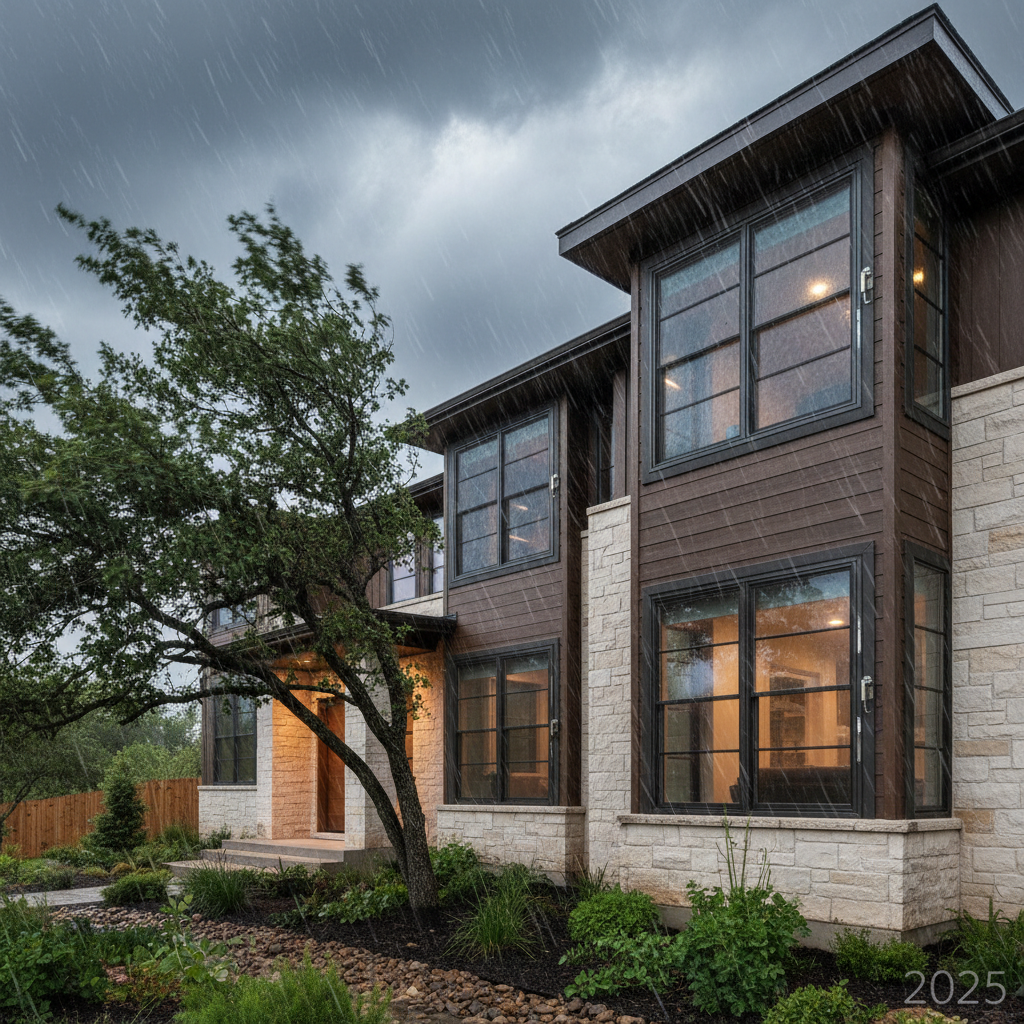
Choosing the Right Material for Storm Windows with Screens
When selecting storm windows with screens, the material plays a crucial role in both performance and durability. According to the American Architectural Manufacturers Association, vinyl and aluminum are two of the most popular materials due to their excellent resistance to weather conditions and low maintenance requirements. Vinyl storm windows offer superior insulation properties, making them energy-efficient, while aluminum windows are known for their strength and sleek design, which can complement modern home aesthetics.
**Tip:** Consider the climate in your region when choosing your storm window material. For coastal areas prone to high winds, impact-resistant aluminum may be a better choice, while colder regions could benefit from the added thermal insulation provided by vinyl.
In addition to material, the quality of the screening can greatly impact the functionality of storm windows. Fiberglass screens are particularly favored as they do not corrode and allow for optimal airflow without obstructing views. A study by the Window and Door Manufacturers Association indicates that incorporating high-quality screens can enhance airflow by over 30% compared to standard mesh, providing improved comfort during warmer months.
**Tip:** Look for storm windows with screens designed for easy removal and cleaning, ensuring both aesthetics and functionality are maintained throughout their use.
Best Storm Windows with Screens for Ultimate Home Protection in 2025
| Material |
Energy Efficiency |
Durability |
Noise Reduction |
Cost (per sq. ft.) |
| Vinyl |
Excellent |
Very Durable |
Good |
$25 |
| Aluminum |
Moderate |
Very Durable |
Moderate |
$30 |
| Wood |
Good |
Moderate |
Excellent |
$40 |
| Fiberglass |
Excellent |
Very Durable |
Good |
$35 |
| Composite |
Excellent |
Very Durable |
Very Good |
$45 |
Essential Features to Look for in High-Quality Storm Windows
When selecting high-quality storm windows with screens, several essential features should be considered to ensure the ultimate home protection against harsh weather conditions. First and foremost, durability is paramount. Look for windows made from robust materials such as vinyl or aluminum, which can withstand strong winds, hail, and other adverse weather events. Additionally, reinforced frames and impact-resistant glass can greatly enhance the windows' strength, providing peace of mind during storms.
Another crucial feature is insulation capability. High-quality storm windows should offer excellent thermal performance to keep your home energy-efficient. Multi-pane glass configurations with low-E coatings minimize heat transfer, helping to maintain indoor temperatures and reduce utility costs.
Furthermore, proper sealing mechanisms are vital to prevent air and water leaks, safeguarding your home’s interior from the elements. Finally, consider the convenience of easy-clean screens and user-friendly operation, which will enhance your overall experience and the longevity of your storm windows.
Comparative Review of the Top 5 Storm Windows with Screens
When it comes to safeguarding your home against severe weather conditions, investing in storm windows with screens is essential. In our comparative review of the top five storm windows for 2025, we analyzed various factors such as durability, energy efficiency, and ease of installation. Each of these products features innovative designs that not only provide robust protection but also enhance ventilation through their mesh screens, allowing fresh air to flow into your home while keeping harmful elements out.
The top contenders in our review include options made from impact-resistant materials that can withstand high winds and flying debris. We carefully evaluated their performance in real-world scenarios, ensuring they met rigorous safety standards. Additionally, features like low-emissivity (low-E) glass coatings and insulated frames contribute to energy savings, making these storm windows a smart investment for homeowners looking to reduce heating and cooling costs while maintaining comfort. With a variety of styles and finishes available, there's a suitable option for every home aesthetic, ensuring that protection doesn’t compromise the visual appeal of your residence.
Installation Tips for Maximum Protection and Efficiency
When it comes to enhancing your home’s defense against severe weather, the installation of storm windows with screens is paramount. To ensure maximum protection and efficiency, start by selecting the right type of storm window that complements your existing windows. Look for models made from durable materials such as vinyl or aluminum that can withstand harsh wind and heavy rain. Additionally, screens with UV protection can help maintain indoor temperatures and reduce energy costs while keeping your home safe.
Before installation, it’s crucial to measure your windows accurately. Take precise measurements of both the width and height of the openings to ensure a snug fit, which will reduce air leaks and enhance insulation. When preparing for installation, clean and repair any damaged areas on your existing windows to create an optimal surface for mounting the storm windows. Depending on the type of storm window chosen, use suitable adhesives or fasteners to secure them firmly in place. Proper sealing is critical; use weather stripping to close any gaps, providing a tight barrier against wind and moisture intrusion during inclement weather.
Storm Windows Effectiveness in Different Conditions (2025)
Maintenance Guide for Longevity of Your Storm Windows
When investing in storm windows with screens, understanding how to maintain them is crucial for ensuring their longevity and effectiveness. According to the American Window and Door Institute, regular maintenance can extend the lifespan of storm windows by up to 20 years, significantly enhancing your home's protection against harsh weather conditions. This includes inspecting seals and hardware, cleaning the glass and frames, and recalibrating any moving parts as needed.
Tip: To prevent moisture buildup, which can lead to mold and rot, make it a habit to check your storm windows for proper drainage. Ensure that weep holes are clear and functional, allowing any accumulated water to escape easily. Additionally, the National Fenestration Rating Council recommends evaluating weatherstripping at least twice a year to maintain energy efficiency and effectiveness.
Routine inspections of screens are equally important. This can help identify any tears or damage early on, preventing further issues. Studies show that proper care can improve the performance of screens, cutting energy costs by up to 10%. For best results, clean screens with a mild detergent solution and replace them if they become too worn, ensuring your home remains well-ventilated and protected against storm damage.




Share On: