What is the Best Time to Remodel Windows for Maximum Energy Efficiency
When considering the timing of your renovation projects, one key factor that homeowners often overlook is the energy efficiency of their windows. According to Mark Stevens, a prominent expert in the window remodeling industry, "The best time to remodel windows is not just about aesthetics; it’s about maximizing energy savings that can significantly reduce long-term costs." With modern advancements in window technology, choosing the right time to undertake this project can lead to substantial benefits, from improved home comfort to reduced utility bills.
In regions with extreme weather conditions, remodeling windows during milder seasons can yield optimal results. Early spring or fall often presents the ideal window of opportunity, allowing homeowners to enjoy a more comfortable indoor environment while benefiting from efficient energy performance. Additionally, understanding the local climate patterns and energy costs can guide homeowners in scheduling their window remodels effectively.
As energy efficiency continues to be a priority in home improvement, the importance of timing becomes ever more critical. By approaching the window remodeling process strategically, homeowners can leverage both timing and technology to enhance their living spaces while making environmentally friendly choices. The insight shared by industry experts like Stevens serves as a valuable reminder that careful planning is key to achieving maximum energy efficiency in any remodeling endeavor.
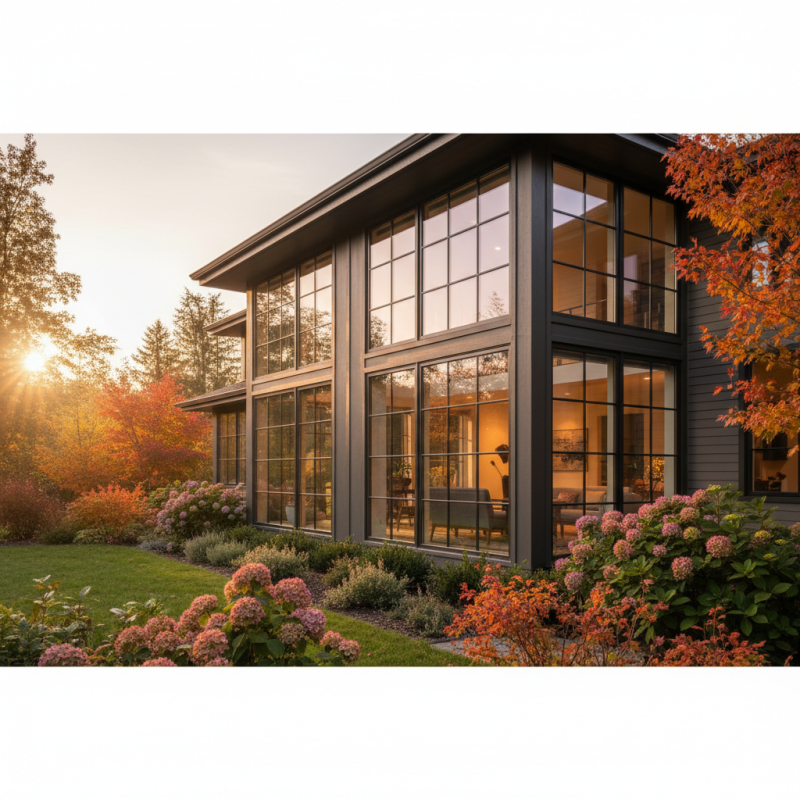
Understanding Energy Efficiency in Window Remodeling
When considering window remodeling, understanding energy efficiency is crucial to maximizing the benefits of your investment. According to the U.S. Department of Energy, windows are responsible for up to 30% of residential heating and cooling energy use. Therefore, choosing replacement windows with energy-efficient features can significantly reduce your energy bills. Look for windows that have a low U-factor, which measures the rate of heat transfer, and high Solar Heat Gain Coefficient (SHGC) ratings that indicate better performance in blocking unwanted solar heat while allowing natural light.
In addition, the National Fenestration Rating Council (NFRC) provides valuable data on various window products' energy efficiency. Their ratings help consumers understand how different window types perform in real-world conditions. For instance, double-pane windows with gas fills, such as argon or krypton, can improve insulation performance by up to 50% compared to single-pane models. Additionally, when remodeling windows, it’s critical to consider the installation process, as poor installation can counteract the energy-efficient benefits of high-performance windows, potentially leading to drafts and increased energy costs. Proper sealing and using insulated frames can further enhance energy efficiency, making the remodeling process a pivotal investment in long-term savings and comfort.
Energy Efficiency in Window Remodeling: Optimal Seasons
This chart illustrates the best seasons to remodel windows for maximum energy efficiency. The data represents the average energy savings potential (in percentage) based on seasonal remodeling.
Factors Influencing the Timing of Window Remodeling
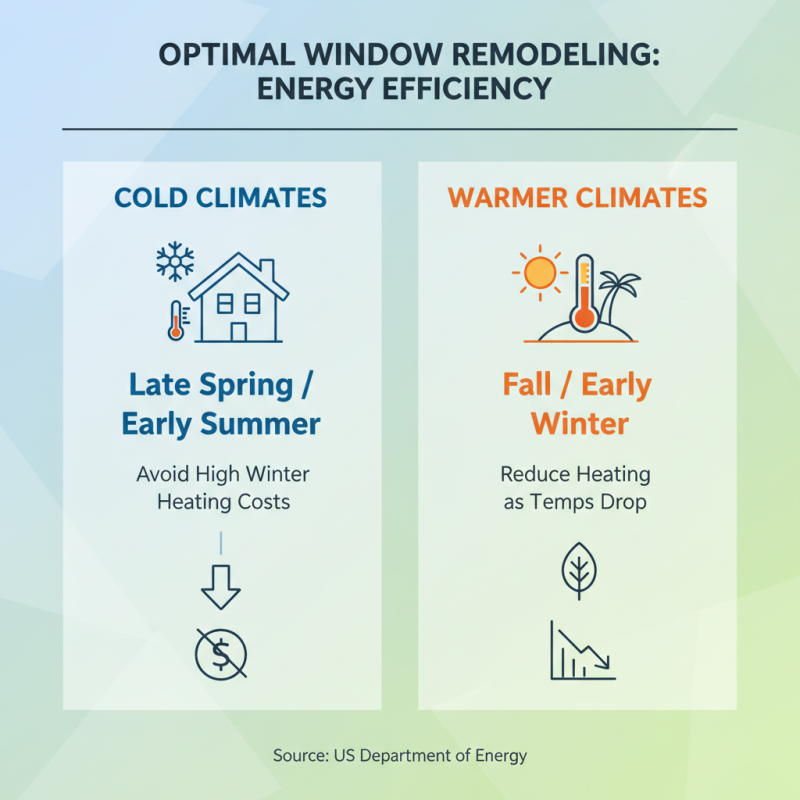
When considering the best time to remodel windows for maximum energy efficiency, several factors play a pivotal role. First and foremost is climate. According to the U.S. Department of Energy, homes in cold climates benefit from window replacement during the late spring or early summer. This timing allows homeowners to avoid the high energy costs associated with heating during fall and winter months, thus maximizing the efficiency gains from new windows. In contrast, in warmer climates, particularly in areas with extreme heat, remodeling in the fall or early winter can allow for improved insulation as temperatures drop, leading to significant savings in heating costs.
Another critical factor is understanding the window's lifecycle and the specific energy upgrades available. The National Renewable Energy Laboratory (NREL) highlights that older windows can account for 10 to 25% of a home’s total energy loss. Homeowners should aim to replace windows when they begin to show signs of wear, such as drafts or condensation between panes. Additionally, this process can coincide with other home improvement projects, thus optimizing budget and labor costs. Studies suggest that remodeling windows during overall home renovations—especially in conjunction with energy-efficient upgrades to HVAC systems—can lead to enhanced performance and further energy savings. By considering these timing factors, homeowners can effectively improve their energy efficiency and reduce overall utility expenses.
Seasonal Considerations for Optimal Window Replacement
When considering the optimal time for window replacement to enhance energy efficiency, seasonal factors play a crucial role. According to the U.S. Department of Energy, the summer and early fall months are often cited as the best times for window remodeling. During this period, homeowners can take advantage of milder weather conditions, which allow for a more seamless installation process. The ideal temperatures help ensure that the caulking and weather stripping cure properly, maximizing the durability of the windows and minimizing air leaks that can lead to energy loss.
Moreover, the National Fenestration Rating Council (NFRC) reports that approximately 25% to 30% of a home's heating and cooling energy is lost through inefficient windows. Therefore, homeowners looking to reduce their energy bills should also consider timing their window replacements before the onset of extreme weather in winter or summer seasons. This proactive approach not only prevents energy waste but also ensures that heating or air conditioning systems operate more efficiently, leading to lower energy consumption and increased comfort indoors. Overall, aligning window remodeling projects with favorable seasonal conditions can significantly enhance energy efficiency and reduce long-term costs.
Estimating Costs and Benefits of Window Remodeling
When considering window remodeling, it's essential to weigh the costs against the benefits to ensure maximum energy efficiency. The initial investment will vary based on the type of windows you choose, the size of your home, and labor costs in your area. Energy-efficient windows typically come with higher upfront costs but can result in significant long-term savings on energy bills. According to studies, homeowners can recoup around 70-80% of their investment when they sell, making it a financially sound decision in the long run.
Tips for estimating costs effectively include obtaining multiple quotes from contractors to compare prices, researching available tax credits or rebates for energy-efficient upgrades, and considering the potential increase in home value. It’s also beneficial to calculate estimated energy savings by reviewing past energy bills and using online calculators that factor in local utility rates.
Lastly, timing your remodel can further enhance energy efficiency. Ideal periods for window remodeling often align with off-peak seasons to secure better rates and availability. Taking advantage of fall or spring can lead to lower demand for contractors, allowing for more competitive bidding and quicker timelines. Prioritize planning ahead and consulting professionals to make the most informed decisions regarding your window remodeling project.
What is the Best Time to Remodel Windows for Maximum Energy Efficiency - Estimating Costs and Benefits of Window Remodeling
| Window Type |
Estimated Cost ($) |
Energy Savings per Year ($) |
Payback Period (Years) |
Best Time to Install |
| Double Glazed |
500 |
150 |
3.33 |
Spring/Fall |
| Triple Glazed |
800 |
200 |
4.00 |
Spring/Fall |
| Low-E Coated |
600 |
180 |
3.33 |
Spring/Fall |
| Vinyl Windows |
700 |
160 |
4.38 |
Spring/Fall |
| Aluminum Windows |
900 |
140 |
6.43 |
Spring/Fall |
Best Practices for Maximizing Energy Efficiency in New Windows
When considering window remodeling, focusing on energy efficiency is paramount. According to the U.S. Department of Energy, about 25-30% of a home's heating and cooling energy is lost through inefficient windows. To maximize energy efficiency, homeowners should prioritize double or triple-glazed window options. These types are designed to reduce heat transfer, significantly lowering energy bills. Additionally, low-emissivity (low-E) glass can further enhance insulation, reflecting heat back into the home during winter and keeping it out during summer.
Proper installation is equally crucial to ensure maximum performance. Data from the National Fenestration Rating Council indicates that nearly 70% of window leaks are a result of poor installation. To avoid this, homeowners should hire certified professionals who adhere to best practices, such as using high-quality weatherstripping and ensuring a tight fit. Furthermore, timing your window remodel can also enhance energy savings; the best seasons for installation are typically spring or fall, when temperatures are moderate, allowing for optimal sealing and reducing the risk of thermal stress on materials.
By focusing on these best practices, homeowners can significantly increase the energy efficiency of their windows, resulting in long-term savings and a more comfortable living environment.





Share On: