How to Choose the Best Exterior Windows for Your Home?
Choosing the best exterior windows for your home is crucial in today's market. According to the American Institute of Architects, windows account for up to 30% of a home's energy loss. This statistic highlights the importance of efficient choices. The right exterior windows can enhance energy efficiency and increase property value.
Several factors influence the decision. Material, style, and energy ratings all play a role. For instance, fiberglass windows could offer better insulation than vinyl. According to the Energy Star program, replacing old windows can save homeowners 12-24% on their energy bills. However, each property has unique needs.
Homeowners often overlook the balance between aesthetics and functionality. While you may prefer the look of a particular design, it might not perform well in your climate. Research shows that nearly 70% of homeowners regret their window choices after installation. This underscores the need for careful consideration before deciding on exterior windows.

Factors to Consider When Selecting Exterior Windows for Your Home
Choosing the right exterior windows for your home is crucial. Several factors play a significant role in this decision. Energy efficiency is at the forefront. According to the U.S. Department of Energy, windows account for up to 30% of residential heating and cooling costs. Selecting windows with a high Energy Star rating can reduce energy bills significantly.
Material choice also impacts durability and maintenance. Vinyl, wood, and fiberglass are popular. Vinyl requires less maintenance and resists weather damage better. However, wood offers natural beauty but needs regular upkeep. The National Association of Home Builders reports that well-maintained wood windows can last over 30 years.
**Tip:** Consider your local climate when choosing materials. For instance, areas with extreme weather require sturdier options.
Another essential factor is security. Windows should provide adequate protection against break-ins. Features like multi-point locking systems can enhance security. According to a study by the Bureau of Justice Statistics, homes with robust window security measures are less likely to be targeted.
**Tip:** Assess the crime rate in your neighborhood when selecting windows. This could influence your decision on security features.
When selecting windows, always weigh aesthetics against functionality. A beautiful window may not serve well if it lacks energy efficiency or security. Balancing these elements is essential for making the best choice.
Factors to Consider When Selecting Exterior Windows for Your Home
Energy Efficiency Ratings and Their Importance in Window Selection
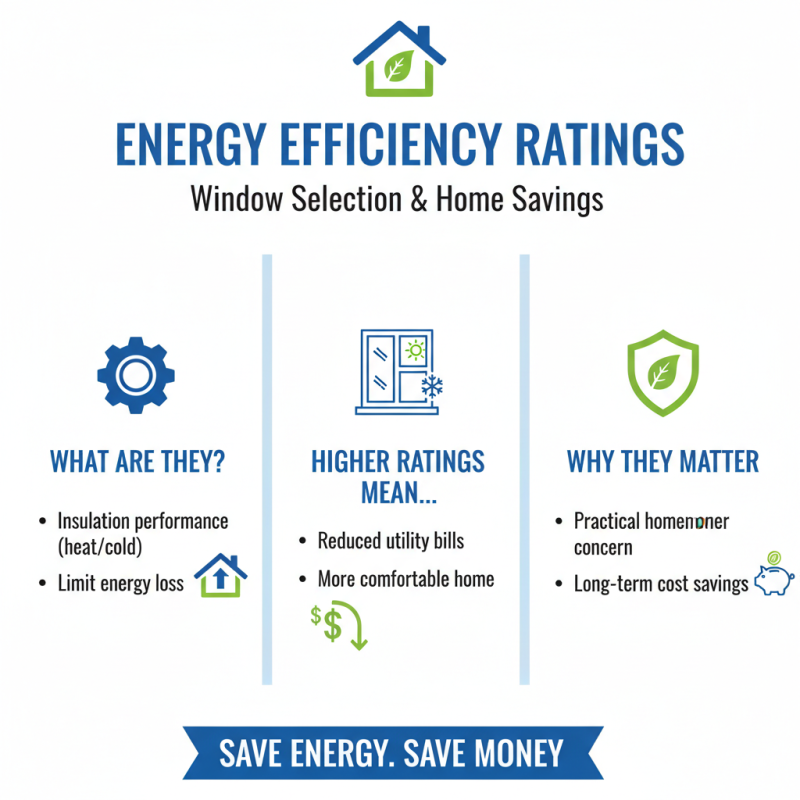
When selecting exterior windows, energy efficiency ratings play a crucial role. These ratings indicate how well a window can insulate and limit energy loss. Windows with higher ratings can significantly reduce heating and cooling costs. For many homeowners, this is a practical concern.
Understanding terms like U-value and Solar Heat Gain Coefficient (SHGC) is essential. U-value measures heat transfer; lower numbers mean better insulation. On the other hand, SHGC indicates how much solar heat enters through the window. Balancing these factors is key, depending on your climate.
Not all windows perform the same in every scenario. Sometimes, an attractive window may not offer the energy efficiency needed. It's vital to research and analyze each option. Consultation with professionals can help clarify specifications. Yet, it’s also okay to feel uncertain at times. Finding the right balance between aesthetics and efficiency requires thought and reflection.
Materials Used in Exterior Windows: Pros and Cons Explained
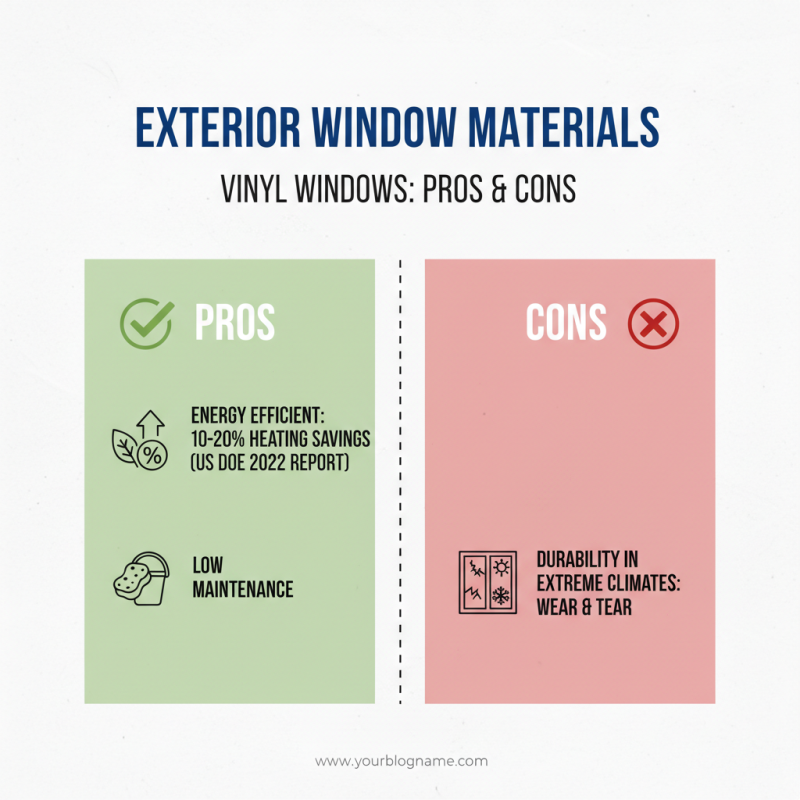
When choosing exterior windows, the material plays a critical role in performance and aesthetics. Vinyl windows are popular due to their low maintenance and energy efficiency. According to a 2022 report by the U.S. Department of Energy, vinyl windows can reduce heating costs by 10-20%. However, they may not be as durable in extreme climates, leading to warping over time.
On the other hand, wood windows offer classic beauty and excellent insulation. A study from the National Association of Home Builders found that wood windows can last up to 30 years with proper care. However, they require regular maintenance and are susceptible to rot. Homeowners need to weigh these risks against the warm appeal wood brings to a home.
Aluminum windows are lightweight and strong. They resist rust and are perfect for modern designs. Yet, they are less energy-efficient unless thermal breaks are included. The Lawrence Berkeley National Laboratory highlights that poorly insulated aluminum can increase energy bills. Thus, selecting the right material necessitates a balance between aesthetics, durability, and energy efficiency. The best choice depends on individual needs and regional climate factors.
Understanding Window Styles: Aesthetic and Functional Considerations
When selecting exterior windows for your home, understanding window styles is paramount. Different styles offer unique aesthetics and functionalities. For instance, double-hung windows are classic and versatile, allowing for easy ventilation. They blend well with various architectural designs. However, they may not provide the best insulation compared to other styles.
Sliding windows have a modern appeal. They open horizontally, which saves space. This style is ideal for contemporary homes. On the downside, they can be difficult to clean if outdoor access is limited. Casement windows, on the other hand, feature a hinged design that allows for maximum airflow. Their clean lines enhance a home's exterior but may require more maintenance in the long run.
Consider the materials as you explore window options. Vinyl windows are low-maintenance but may lack the character of wooden frames. Wood offers warmth and beauty but demands regular upkeep. Reflect on your priorities and lifestyle. Your choice of window style and material can dramatically affect your home’s energy efficiency and overall comfort. Each window decision shapes not just the look but the feel of your living space.
Impact of Window Installation on Home Value and Performance
When considering exterior windows, installation quality is paramount. Professional installation can profoundly influence both your home's value and overall performance. Improperly installed windows can lead to drafts, moisture issues, and increased energy costs. This not only affects comfort but also lowers property value over time. Regular assessments of your windows can prevent these problems.
**Tips:** Ensure installers are certified. They should carry insurance and have a strong reputation. This adds reliability to the installation process. Choosing energy-efficient windows can also boost value significantly. Potential buyers appreciate homes with lower utility costs.
Another aspect to reflect on is the style of windows. Different architectural styles benefit from specific window types. Selecting the wrong style may affect your home's aesthetic appeal. Inconsistent design choices could diminish your home's charm, making it less attractive to future buyers. Also, keep maintenance in mind; easy-to-clean windows can save time and effort. Consider the long-term implications of your choices.
How to Choose the Best Exterior Windows for Your Home? - Impact of Window Installation on Home Value and Performance
| Window Type |
Energy Efficiency Rating |
Average Cost |
Impact on Home Value |
Durability |
| Vinyl Windows |
U-Factor: 0.30 |
$300 - $700 |
Moderate Increase |
20 - 40 years |
| Wood Windows |
U-Factor: 0.25 |
$800 - $1,500 |
High Increase |
10 - 30 years |
| Aluminum Windows |
U-Factor: 0.35 |
$400 - $800 |
Moderate Value |
20 - 30 years |
| Fiberglass Windows |
U-Factor: 0.22 |
$600 - $1,200 |
High Increase |
30+ years |



Share On: