How to Choose the Best Windows Siding and Doors for Your Home in 2025
As we approach 2025, homeowners are increasingly prioritizing both aesthetics and functionality when it comes to selecting windows, siding, and doors for their properties. The right choice not only enhances the visual appeal of a home but also significantly impacts energy efficiency, security, and overall comfort. With a multitude of materials, styles, and technologies available on the market, it can be challenging to determine which options will best suit your needs and preferences.
In this guide, we will explore the crucial factors to consider when choosing windows, siding, and doors for your home in 2025. From understanding the benefits of different materials to evaluating energy ratings and enhancing curb appeal, we'll provide insights that help you make an informed decision. By focusing on quality, durability, and design, you can ensure that your windows, siding, and doors not only elevate your home's exterior but also contribute to its long-term value and sustainability. Let’s embark on this journey to find the perfect combinations that will create a harmonious and functional living space for years to come.
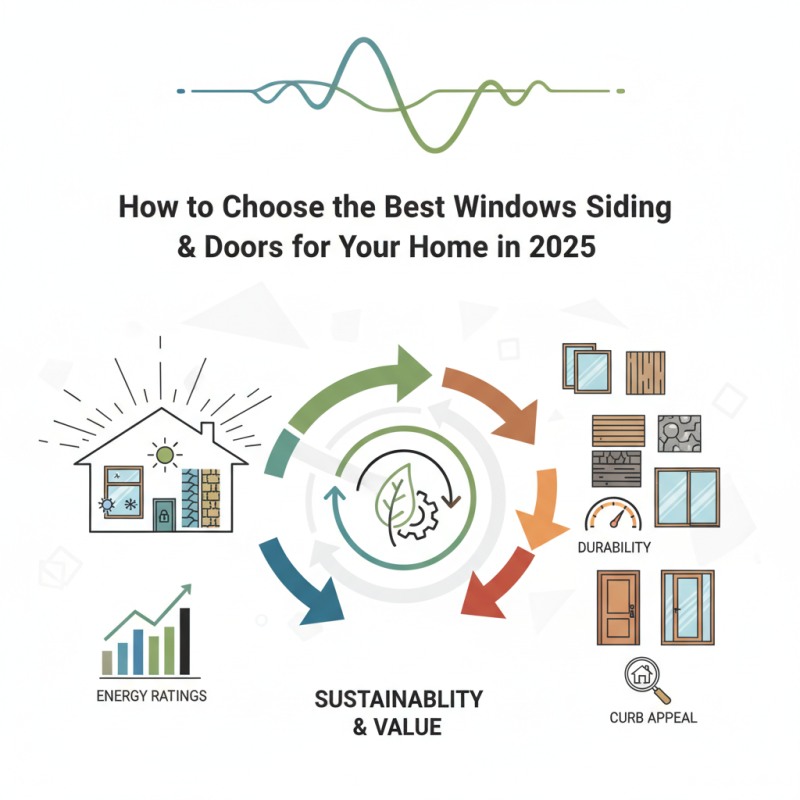
Factors to Consider When Choosing Windows Siding and Doors
When choosing the best windows, siding, and doors for your home in 2025, several key factors should be taken into account to ensure both aesthetic appeal and functional efficiency. First, consider the climate in your region. Different materials perform better under varying weather conditions; for example, extended exposure to moisture may necessitate the use of rot-resistant materials, while areas with harsh sunlight might benefit from UV-resistant options. Additionally, insulation properties are crucial, as highly efficient windows and doors can significantly reduce energy costs and improve overall comfort.
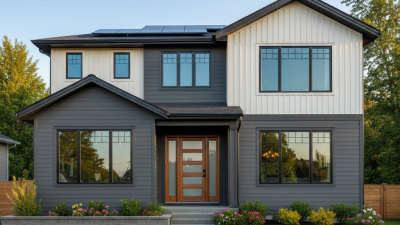
Another important factor is the style of your home. The design of windows, siding, and doors should complement the architectural style and enhance curb appeal. Homeowners should choose colors and textures that create a harmonious look without being overly trendy, as timeless designs tend to provide longevity and can enhance property value. Furthermore, functionality should not be overlooked; features such as security, ease of operation, and maintenance requirements should align with daily living needs and lifestyle preferences. By carefully considering these factors, homeowners can make informed decisions that will benefit their residences in the years to come.
How to Choose the Best Windows Siding and Doors for Your Home in 2025
| Factor |
Description |
Importance |
Popular Material |
| Energy Efficiency |
Choose windows with good insulation to reduce energy costs. |
High |
Low-E Glass |
| Durability |
Select materials that withstand weather conditions and time. |
Medium |
Vinyl |
| Aesthetic Appeal |
Ensure the style matches the home’s architecture. |
High |
Wood |
| Maintenance |
Consider how often materials will need repairs or painting. |
Medium |
Fiberglass |
| Cost |
Evaluate the budget for windows and doors. |
High |
Aluminum |
| Security |
Look for features that enhance safety and security. |
High |
Impact-Resistant Glass |
Material Options for Windows Siding and Doors in 2025
When considering the best materials for windows, siding, and doors in 2025, homeowners must prioritize durability and energy efficiency. According to a report from the U.S. Department of Energy, windows account for up to 30% of a home’s heating and cooling energy use. Therefore, materials like vinyl and fiberglass are emerging as top choices due to their excellent insulation properties and resistance to extreme weather conditions. Vinyl windows, for example, feature multi-chambered frames that provide superior thermal performance, reducing energy costs significantly over time.
Siding options have also evolved, with engineered wood and composite materials gaining popularity for their combination of aesthetics and longevity. A study by the National Association of Home Builders indicates that homes with quality siding can see a return on investment (ROI) of up to 75% upon resale. These materials not only enhance curb appeal but also offer increased durability against pests and decay. As sustainability becomes a growing concern, eco-friendly options like fiber cement siding, which uses recycled materials, are also becoming more prevalent. Homeowners are increasingly looking for materials that provide both aesthetic value and energy efficiency, marking a shift toward smarter, more sustainable building choices for 2025.
Energy Efficiency Ratings for Windows and Doors
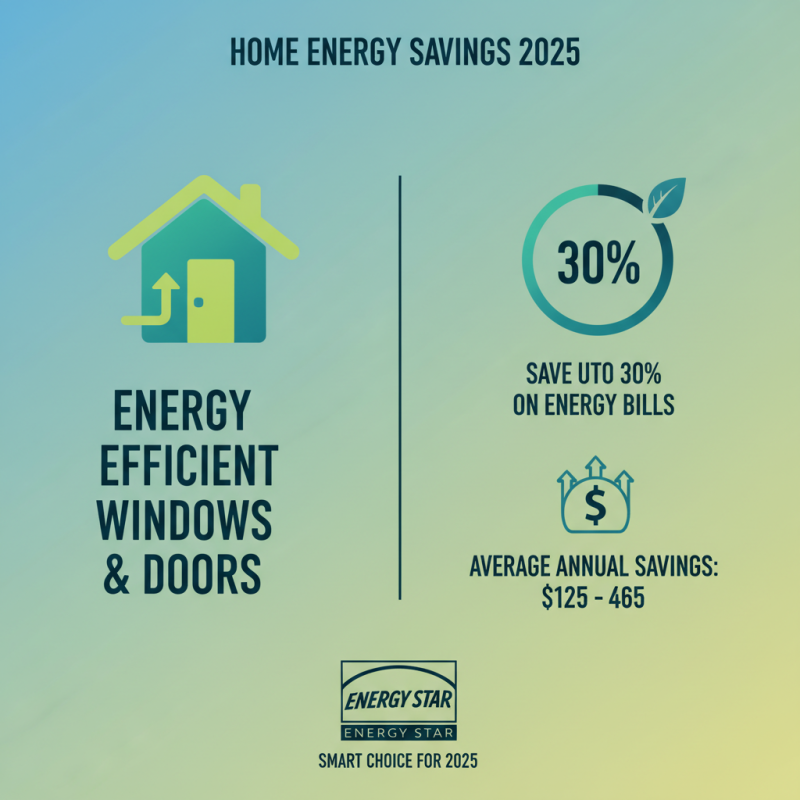
When selecting windows and doors for your home in 2025, energy efficiency should be a top priority. Recent studies indicate that energy-efficient windows can reduce heating and cooling costs by up to 30% compared to traditional options. The U.S. Department of Energy highlights that homes equipped with Energy Star-rated windows save an average of $125 to $465 annually, depending on the climate and the efficiency of existing windows. These savings not only contribute to lower utility bills but also significantly enhance the overall comfort of your living space.
When evaluating energy efficiency ratings, it is crucial to pay attention to the U-factor and Solar Heat Gain Coefficient (SHGC). The U-factor measures how well a window insulates, with lower values indicating better insulating properties. A U-factor of 0.30 or lower is generally recommended for energy-efficient windows. On the other hand, the SHGC rate measures how much solar heat is transmitted through the window. A lower SHGC can help reduce cooling costs in warmer climates. According to the American Society of Heating, Refrigerating and Air-Conditioning Engineers (ASHRAE), optimizing these ratings can lead to substantial energy savings, making informed choices about windows and doors imperative for eco-conscious homeowners in 2025.
Design Trends for Windows Siding and Doors in 2025
In 2025, the design trends for windows, siding, and doors reflect a significant shift towards sustainability, functionality, and aesthetic appeal. Homeowners are increasingly prioritizing energy-efficient materials that not only reduce environmental impact but also enhance indoor comfort. According to the latest report from the National Association of Homebuilders (NAHB), around 60% of new home constructions are opting for windows that meet high energy efficiency standards, significantly lowering heating and cooling costs. Additionally, vinyl and fiberglass siding materials continue to gain popularity due to their durability and low maintenance requirements, appealing to eco-conscious consumers looking to minimize their carbon footprint.
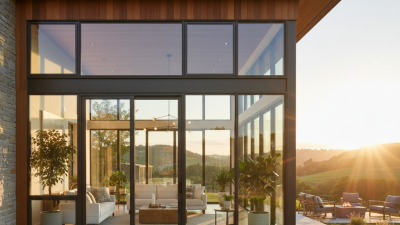
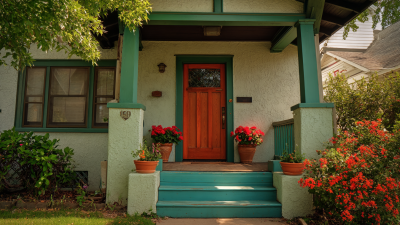
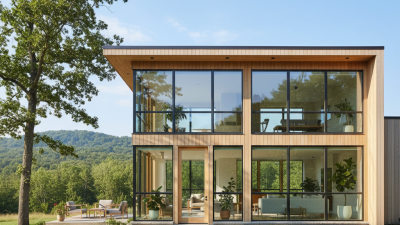
Aesthetically, the trend is shifting towards bold colors and innovative designs that create a standout appearance while harmonizing with natural surroundings. This year, earthy tones such as olive green and deep burgundy are projected to dominate the market, as indicated by a recent survey from the American Institute of Architects (AIA). Furthermore, large, expansive windows that blur the line between indoor and outdoor spaces are becoming increasingly sought after, driven by a desire for more natural light and connectivity to nature. This trend emphasizes a modern approach to design, where functionality meets style, creating homes that are both beautiful and practical for today’s lifestyle.
Trends in Windows Siding and Doors for 2025
Budgeting for Windows Siding and Doors Replacement Solutions
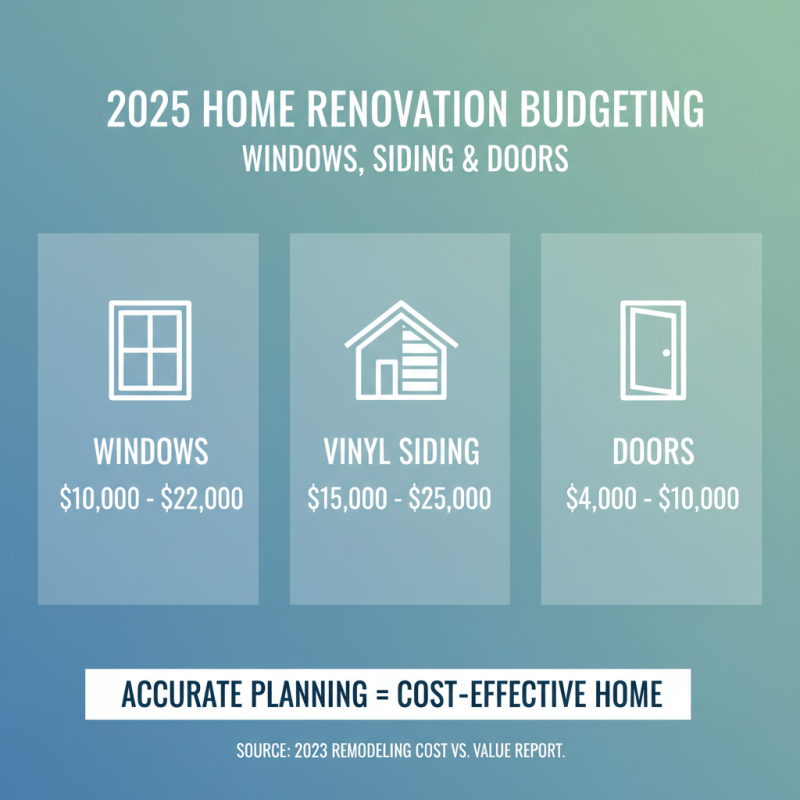
When planning to replace windows, siding, and doors in 2025, budgeting accurately is crucial to ensure a cost-effective solution. According to recent data from the Remodeling 2023 Cost vs. Value Report, homeowners typically spend between $15,000 to $25,000 for a mid-range vinyl siding replacement, while window replacements can range from $10,000 to $22,000 depending on the number of windows and materials chosen. These figures indicate a significant financial commitment, underscoring the importance of careful budgeting and planning.
To develop a realistic budget for your project, begin by obtaining multiple estimates from qualified contractors, as costs can vary widely based on local labor rates and material availability. It's also prudent to set aside an additional 10-20% of your total budget for unexpected expenses that often arise during home improvement projects. According to the National Association of Manufacturers, with inflation affecting material costs, homeowners may encounter higher-than-anticipated prices for quality siding and windows. This emphasizes the need for thorough market research and consideration of potential financing options to effectively manage your budget while ensuring the best long-term return on investment.


Share On: