Blog

How to Choose Windows Siding and Doors for Any Home?

Choosing windows, siding, and doors is not just a style decision. These materials shape curb appeal, comfort, maintenance, and long-term costs. The right combination depends on climate, wall construction, exposure to rain, and the home’s existing details. A beautiful window can still disappoint if it leaks air or clashes with the siding’s drainage strategy.

The U.S. Department of Energy estimates that heat gain and loss through windows accounts for about 25%–30% of residential heating and cooling energy use. Remodeling’s 2024 Cost vs. Value report also shows why material choices deserve careful comparison: nationally, fiber-cement siding replacement recouped an estimated 88.4% of its cost, while vinyl window replacement recouped 67.1%. These figures are averages, not promises. Local labor, product quality, and project scope can change the outcome.

Building scientist Joseph Lstiburek is widely associated with the practical maxim, “Build it tight, ventilate right.” It is a useful reminder: well-sealed windows and doors matter, but a home still needs suitable ventilation. Look closely at the sill, flashing, trim, and siding joints; small details can invite trouble. And no single product suits every house. This guide will compare frame and siding materials, explain performance ratings, and show how to coordinate windows, siding, and doors for your home’s design, climate, and budget. One detail is easy to miss: the best-looking choice may require more upkeep than you expect.
How to Choose Windows Siding and Doors for Any Home?

Assessing Home Style, Climate, and Performance Needs

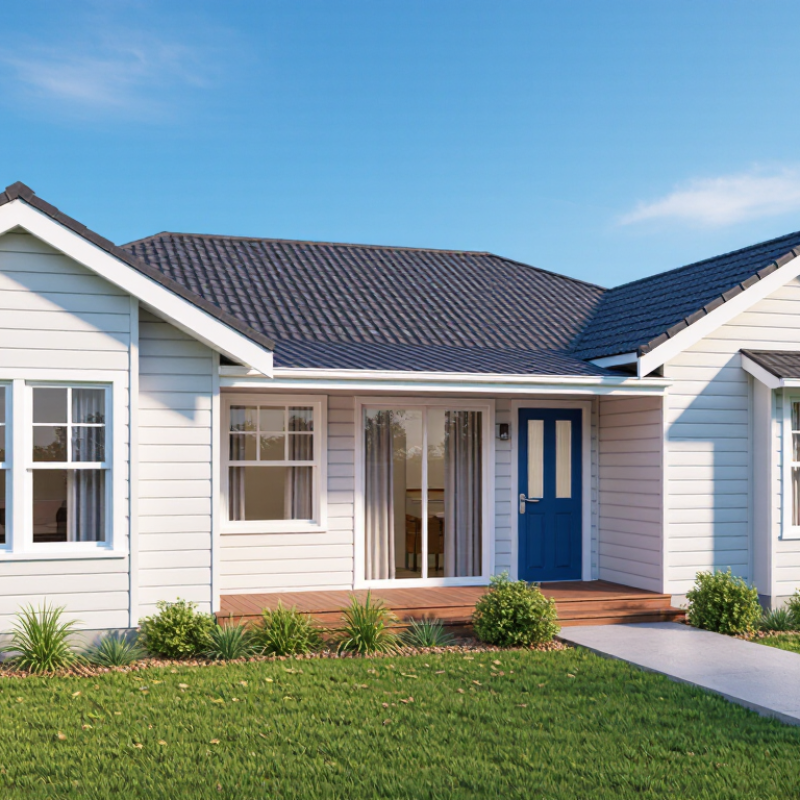
Start with the home’s style, then check what the local weather demands. Narrow-trim windows may suit a traditional façade, while broad glass can brighten a modern room but increase summer heat gain. In coastal or rainy areas, favor siding details that shed water, sealed openings, and doors with durable weatherstripping. Small gaps matter.

Climate affects performance. The U.S. Department of Energy’s Energy Saver guidance estimates that windows account for 25–30% of household heating and cooling energy use. ENERGY STAR’s residential window savings estimates put annual savings from certified windows at about $101–$583 versus single-pane clear-glass windows, depending on location. These are estimates, not promises.

Compare NFRC-listed U-factor and solar heat gain coefficient (SHGC) ratings; lower U-factor generally limits heat flow, while SHGC should match local sun exposure. Cold regions often benefit from lower U-factors. Hot, sunny rooms may need lower SHGC.

Look closely at the whole assembly, not just the glass. A well-rated window can still leak if flashing, sealing, or installation is poor. Check doors for a tight threshold and smooth operation, and ask how siding handles wind-driven rain. There is no flawless formula. A shaded south-facing wall and an exposed west-facing wall may need different choices, even on one house. My first instinct would be to match every opening; that can look tidy, but it may not perform as well.

Comparing Window Types, Frames, and Energy Ratings

Window choice starts with climate, room use, and the direction each opening faces. Double-hung windows allow ventilation from top and bottom, while casements can catch breezes when fully open. Fixed windows usually seal well but do not ventilate. Small detail, big difference. A sunny south-facing room may need a lower solar heat gain coefficient (SHGC) to limit summer heat; a cold, shaded room may benefit from admitting more sunlight.

Frame materials change both performance and upkeep. Vinyl and fiberglass need little maintenance, while wood offers a warm interior finish but requires more care against moisture. Aluminum is strong, yet conducts heat readily unless it includes a thermal break. The U.S. Department of Energy estimates that windows account for about 25–30% of residential heating and cooling energy use. That figure varies by home and climate, but it shows why frame and glass choices matter.

Compare tested ratings, not just appearance. The National Fenestration Rating Council (NFRC) label lists U-factor and SHGC: lower U-factor generally means less heat transfer, while SHGC indicates how much solar heat enters. Check both against local conditions and the window’s orientation. A high-efficiency rating is not automatically the best fit everywhere. Installation quality matters too; even a well-rated window can underperform if air leaks around its frame. Specs can look convincing. The details deserve a second look.

How Glazing Choices Affect Window Insulation

U-factor measures how quickly heat passes through a window; lower values indicate better insulation. These representative whole-window values are approximate, and actual ratings vary with the glass, frame, and product design. Compare certified whole-window ratings when choosing windows for your climate.

Choosing Siding Materials for Durability and Maintenance

Siding is a weather barrier, not just a finish. Match the material to your climate, exposure, and willingness to maintain it. The 2007 NAHB and Bank of America Home Equity study estimated service lives of about 60 years for vinyl siding, 50 for fiber-cement, and 20 to 40 for wood. Treat these as broad planning estimates, not guarantees; installation quality and local conditions can change the outcome.

Maintenance tells another part of the story. Vinyl usually needs periodic washing and inspection for cracks or loose panels. Fiber-cement can resist moisture and insects, but painted surfaces need upkeep, and cutting it requires careful dust control. Wood offers a natural texture, yet exposed edges and joints need regular attention. Details matter. Check how a material handles driving rain, freeze-thaw cycles, salt air, and strong sun before choosing it. A shaded wall may age differently from a south-facing one, even on the same house. I would not choose by lifespan figures alone; the study is useful, but it is nearly two decades old. Ask for current product documentation, inspect sample joints, and confirm that flashing and drainage details suit your home.

How to Choose Windows Siding and Doors for Any Home? - Choosing Siding Materials for Durability and Maintenance

Siding Material Typical Service-Life Range Durability Considerations Routine Maintenance Moisture and Pest Resistance Often a Good Fit For
Vinyl About 20–40 years, depending on product quality, installation, and exposure Does not need painting and resists rot. It can crack from impact and may warp or become damaged under intense heat. Wash periodically with mild soap and water; inspect seams and flashing. Replace damaged panels as needed. Does not absorb water or attract insects, but water can enter behind improperly installed siding. Homeowners seeking relatively low routine upkeep and a broad range of colors and profiles.
Fiber cement Often 30–50 years or longer with proper installation and care Resists fire, insects, and rot better than many wood products. It is heavy and can crack if handled or installed incorrectly. Keep joints and clearances in good condition; repaint when the finish weathers, following the coating manufacturer’s guidance. Resists pests and decay, but cut edges and details need appropriate sealing and installation to manage water. Homes where a durable, paintable finish is desired and the structure can accommodate heavier cladding.
Wood About 20–40 years; results vary substantially with species, climate, and maintenance Can be repaired and refinished, but is vulnerable to rot, splitting, and weathering when coatings or details fail. Inspect regularly; maintain paint or stain, often every few years, and promptly repair damaged boards and joints. Requires careful moisture management and protection from insects; keep siding clear of soil and standing water. Traditional or natural-looking designs where regular inspection and finish upkeep are acceptable.
Engineered wood Commonly around 20–30 years, subject to product construction, installation, and upkeep Offers a wood-like appearance and can be more uniform than solid wood. Exposed or poorly protected edges can be vulnerable to moisture damage. Maintain the factory finish or repaint as directed; inspect joints, edges, and areas near roofs and openings. Resists pests better than untreated wood, but correct flashing, clearances, and prompt repair of coating damage are important. Projects seeking a wood-style appearance with consistent boards and a planned maintenance schedule.
Brick veneer Often 50 years or more when properly built and maintained Durable and impact-resistant, though mortar joints can deteriorate and the veneer needs properly designed drainage and support. Inspect mortar and flashing; repair cracks and damaged joints. Avoid sealing masonry without checking that the product is suitable. Brick itself is not insect food, but water management is essential; a drainage cavity and weep openings help manage moisture. Homes where a masonry appearance and low-frequency surface maintenance are priorities.
Metal siding Often 30–50 years, depending on metal type, finish, climate, and maintenance Resists rot and insects. Steel can rust if its protective coating is damaged; aluminum can dent more readily. Wash as needed and inspect coatings, fasteners, and joints; touch up or repaint where the finish is damaged or worn. Does not decay or attract pests, but damaged finishes and poorly detailed joints can allow corrosion or water intrusion. Modern designs or locations where noncombustible cladding and resistance to rot are important considerations.

Planning note: Service-life ranges are general estimates, not guarantees. Climate, workmanship, ventilation, drainage, exposure, and maintenance can significantly affect performance. Check local building codes and installation instructions before choosing a material.

Selecting Doors for Entry, Access, and Security

A front door should suit the way people enter your home, not just its appearance. Measure the opening, including the frame, before choosing a replacement. A door that sticks in humid weather or leaves a draft at the threshold can quickly become frustrating.

Small details matter. Check that the handle feels comfortable and the door opens without blocking a walkway or nearby furniture.

Security starts with the whole assembly

For security, look at the whole assembly: door, frame, hinges, and lock. A strong door can still be vulnerable if its frame is loose or poorly fitted. Choose a suitable deadbolt and have the strike plate secured firmly into the framing.

Glass panels bring daylight into an entry, but their size and placement deserve careful thought. Avoid judging security by the door slab alone.

Consider access and weather protection

Back and side doors often need to balance access with weather protection. For a patio door, compare sliding and hinged styles against the available floor space and how often the opening will be used.

A level threshold can make everyday passage easier, while effective weatherstripping helps limit drafts and water. Test it in person. One trade-off is easy to miss: a tighter seal may make a door harder to close, so check the operation after installation and adjust the hardware if needed.

Planning Materials, Colors, Costs, and Installation

Start with the weather your home faces. In damp areas, durable siding and properly flashed openings help manage moisture. In sunny locations, compare materials for fading and heat performance. Vinyl, fiber cement, wood, and metal each differ in upkeep, appearance, and repair needs. For windows and doors, consider frame material, glazing, energy performance, and how often each unit will be used. A striking color sample can look quite different beside your actual brick or roof.

Tips: Put large color samples outdoors and view them in morning and afternoon light. Ask installers how they handle flashing, trim, and water drainage. Get the details in writing.

Set a budget that includes more than the visible materials. Ask for separate estimates covering labor, removal, disposal, trim, flashing, and any repairs found beneath old siding. Those hidden repairs can shift the total. It is easy to focus on the window price and overlook installation quality, but even a good unit can perform poorly if fitted incorrectly.

Compare written scopes, product specifications, warranties, and project timelines before choosing a contractor. Confirm who will protect landscaping and clean up debris. A little uncertainty is normal; allow a contingency rather than assuming every wall is sound. During installation, check that doors open smoothly and windows operate as expected.

Share by: