How to Effectively Repair Windows and Doors for Maximum Energy Efficiency
In the pursuit of energy efficiency within our homes, the focus often gravitates towards insulation and heating systems. However, one of the most crucial yet often overlooked aspects is the window and door repair. These elements not only contribute to the aesthetic appeal of a property but also play a pivotal role in maintaining indoor temperature and reducing energy costs. Properly functioning windows and doors can act as a barrier against drafts, moisture, and external noise, making them essential for a comfortable living environment.
Over time, wear and tear can compromise the integrity of windows and doors, leading to significant energy loss and escalating utility bills. Engaging in effective window and door repair not only enhances energy efficiency but also prolongs the lifespan of these installations. In this guide, we will explore practical strategies and tips on how to identify common issues and address them effectively. From sealing gaps to replacing weather stripping, understanding the intricacies of window and door maintenance can empower homeowners to create a more energy-efficient abode while also potentially increasing the value of their property.
Identifying Common Energy Efficiency Issues in Windows and Doors
Identifying energy efficiency issues in windows and doors is crucial for homeowners seeking to reduce energy consumption and enhance comfort. According to the U.S. Department of Energy, windows and doors account for approximately 30% of heating energy loss in homes. Common issues often include inadequate sealing, poor insulation, and damaged frames or sashes. Drafts around windows and doors are a significant contributor to energy inefficiency, leading to increased heating and cooling costs. Home improvement experts recommend inspecting these areas regularly to identify any signs of air leaks or wear.
One prevalent issue is the presence of single-pane glass in older homes, which offers minimal insulation compared to modern double- or triple-pane windows. Data from the American Energy Information Administration indicates that upgrading to energy-efficient models can reduce energy costs by up to 25%. Furthermore, improper installation can exacerbate inefficiencies; a recent study highlighted that nearly 60% of window installations fail to meet energy efficiency standards due to gaps and poor alignment. By addressing these common problems, homeowners can significantly enhance energy efficiency and reduce their environmental impact while enjoying improved indoor comfort.
Assessing the Condition of Windows and Doors for Repairs
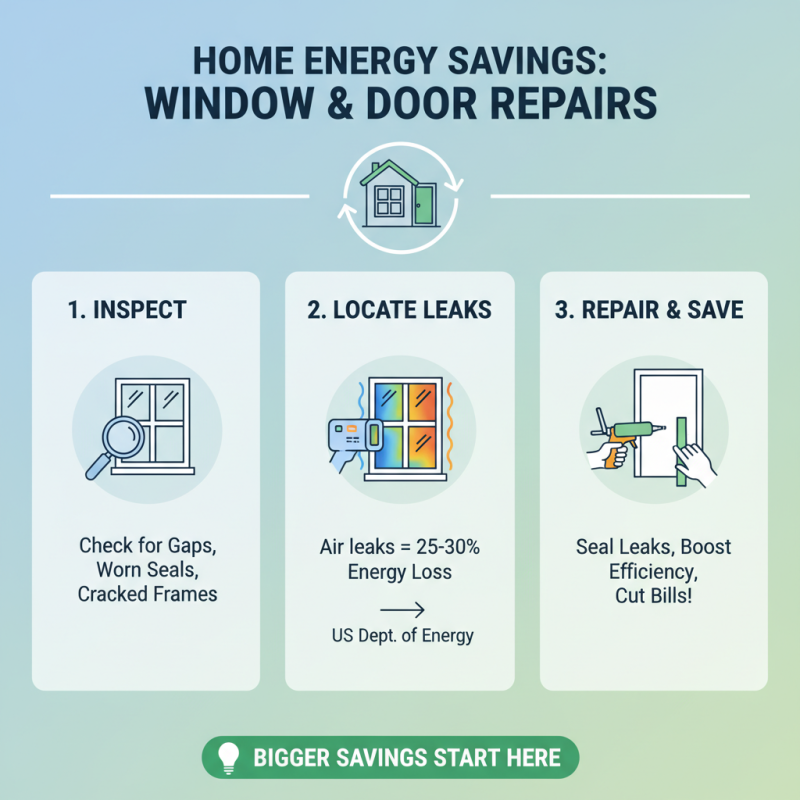
When assessing the condition of windows and doors for repairs aimed at enhancing energy efficiency, it is crucial to start with a comprehensive inspection. According to the U.S. Department of Energy, approximately 25-30% of residential heating and cooling energy use can be attributed to air leaks around windows and doors. Therefore, identifying and sealing these leaks can result in significant energy savings. Look for common issues such as gaps in caulking, worn weatherstripping, and cracked frames. These signs often indicate that a repair is necessary to prevent conditioned air from escaping and to keep outdoor air from infiltrating.
In addition to identifying leaks, it's essential to check the insulation properties of the windows and doors. The National Fenestration Rating Council (NFRC) provides valuable ratings on energy performance that can help assess whether existing units are contributing to energy loss. If windows or doors are single-pane, they may not provide adequate insulation, leading to higher energy bills. As a rule of thumb, older models (installed before the 2000s) often require replacement or retrofitting to comply with modern energy efficiency standards. By focusing on these assessment criteria, homeowners can effectively prioritize repairs that yield the highest returns in energy efficiency and comfort.
Step-by-Step Guide to Sealing and Weatherproofing
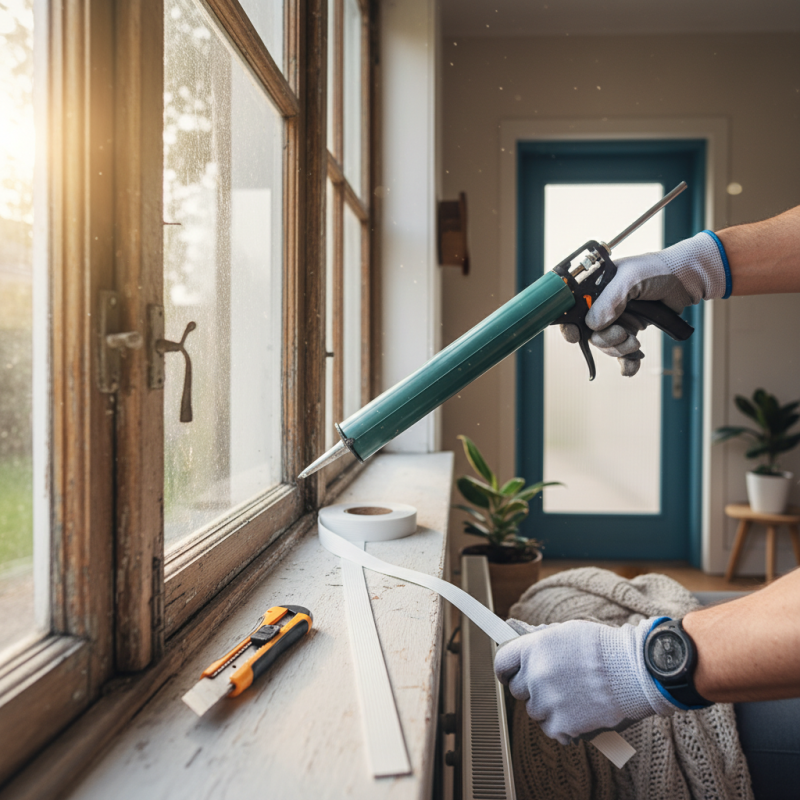
When it comes to enhancing energy efficiency in your home, properly sealing and weatherproofing windows and doors is essential. According to the U.S. Department of Energy, up to 30% of a home's heating and cooling energy can be lost through inefficient windows and doors. Therefore, sealing gaps and cracks not only helps maintain a comfortable indoor temperature but also significantly reduces energy costs. A step-by-step approach begins with identifying problem areas. Using a simple smoke test—by running your hand around the frames while feeling for drafts—can help locate any leaks.
Once identified, it's important to choose the right materials for weatherproofing. High-quality caulking and weatherstripping have proven to reduce air leaks effectively. The American Society of Heating, Refrigerating and Air-Conditioning Engineers (ASHRAE) indicates that proper installation of these materials can lead to energy savings of 10-30%. Additionally, for older windows, consider adding storm windows or using insulating window films, as these options can improve thermal performance by creating an additional barrier against the elements. With the right techniques and materials, homeowners can achieve maximum energy efficiency and make a significant impact on overall energy consumption.
Choosing the Right Materials for Energy-Efficient Repairs
When undertaking repairs on windows and doors to enhance energy efficiency, selecting the right materials is crucial. Insulation materials, such as fiberglass or foam, can significantly reduce heat loss when applied correctly around window frames and door edges. Furthermore, utilizing energy-efficient glass, such as low-E (low-emissivity) coatings, can minimize heat transfer while still allowing natural light to enter the home. These materials help maintain consistent indoor temperatures, making your living space more comfortable while reducing energy costs.
In addition to insulation and glass options, the choice of sealing materials is vital in preventing drafts and improving overall energy efficiency. Weatherstripping made from rubber or silicone offers excellent durability and effectiveness in sealing gaps around windows and doors. Similarly, caulking compounds should be selected based on their compatibility with materials, ensuring a long-lasting and airtight seal. By carefully selecting quality materials for these repairs, homeowners can optimize energy efficiency, enhance comfort, and contribute to environmental sustainability.
Energy Efficiency of Different Window and Door Materials
Techniques for Properly Installing and Adjusting Windows and Doors
Proper installation and adjustment of windows and doors play a crucial role in maximizing energy efficiency within a home. One of the key techniques for effective installation involves ensuring that frames are level and square. This means using a level to check both horizontal and vertical alignment before securing them in place. Improperly aligned frames can create gaps that allow air leaks, driving up heating and cooling costs. It is also essential to use high-quality weather stripping and seals, as these materials play a critical role in preventing drafts and moisture intrusion.
In addition to installation, regular adjustments are necessary to maintain energy efficiency over time. For instance, door hinges may need to be lubricated or replaced to ensure that doors close securely, eliminating unwanted air flow. Similarly, window sashes should be checked for proper operation, allowing them to open and close easily while maintaining a tight seal when shut. Homeowners should also consider adjusting the locks, as a locked door can further secure the fit and improve insulation. Implementing these techniques helps create a more energy-efficient living environment, reducing both energy consumption and utility bills.
How to Effectively Repair Windows and Doors for Maximum Energy Efficiency
| Component |
Common Issues |
Repair Techniques |
Energy Efficiency Gains |
| Windows |
Drafts, condensation |
Weatherstripping, resealing |
Up to 20% improved insulation |
| Doors |
Misalignment, sticking |
Adjustment, hinge replacement |
15% reduction in energy loss |
| Window Frames |
Rot, cracks |
Frame repair, caulking |
Increased thermal performance |
| Weatherstripping |
Worn, damaged |
Replacement with new materials |
Can save up to 10% on heating costs |
| Glazing |
Cracked, fogged |
Replace glass units |
Improved light and heat retention |





Share On: