5 Essential Tips for Choosing the Best Exterior Storm Windows for Energy Efficiency
Choosing the right exterior storm windows is a crucial decision for homeowners seeking to enhance their property's energy efficiency. According to the U.S. Department of Energy, windows account for 25-30% of residential heating and cooling energy use, making the selection of high-quality storm windows essential for reducing energy costs. The integration of exterior storm windows can significantly improve your home’s insulation, resulting in energy savings of up to 15% on heating and cooling bills.
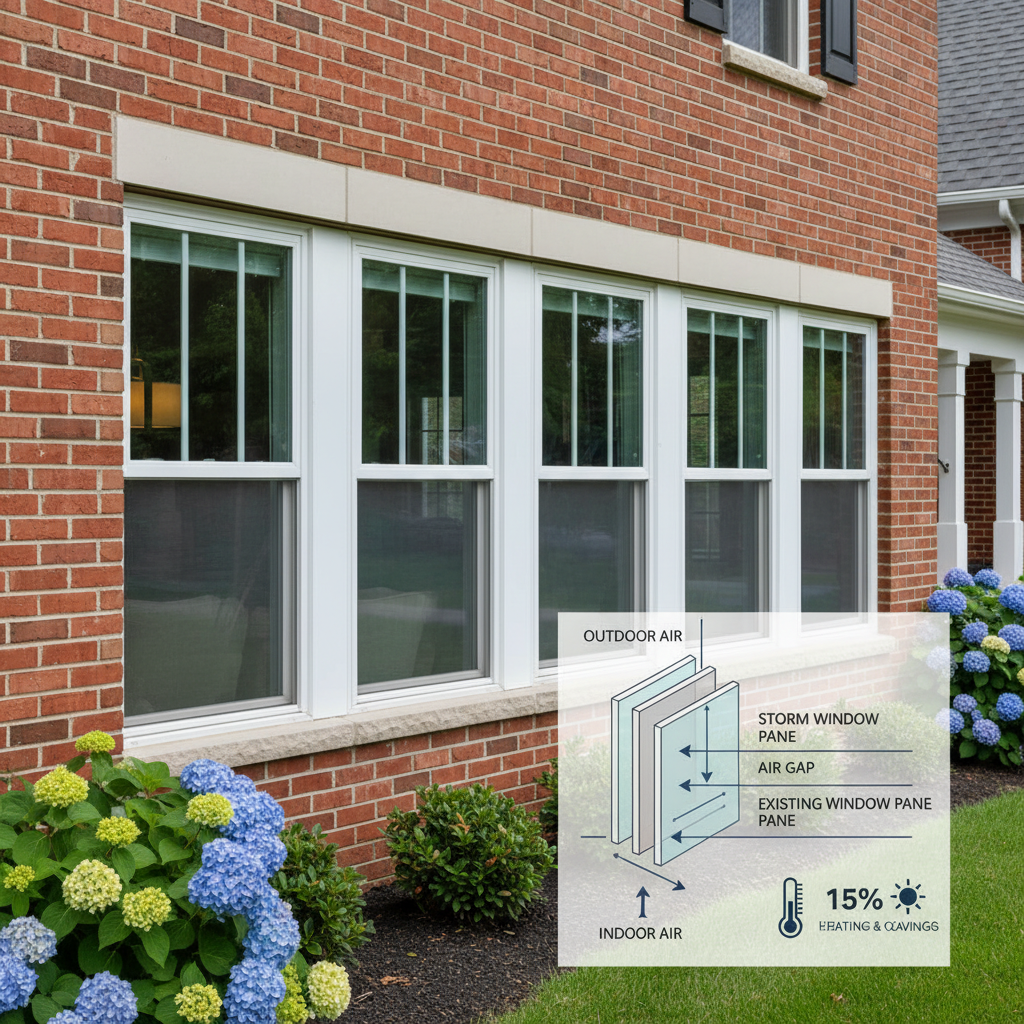
Moreover, the National Fenestration Rating Council (NFRC) highlights that well-installed exterior storm windows can enhance the overall performance of existing windows by reducing air infiltration and providing an added layer of protection against the elements. This dual function not only contributes to energy conservation but also extends the lifespan of your primary windows, making it an investment that pays off over time. In this article, we will discuss five essential tips to guide you through the process of selecting the best exterior storm windows that cater to your specific needs, ensuring both efficiency and comfort in your home.
Identify Energy Performance Ratings for Storm Windows: U-Factor, SHGC, and VT Explained
When choosing exterior storm windows for optimal energy efficiency, understanding the
energy performance ratings is crucial.
The U-Factor, which measures the rate of heat transfer, indicates how well a window insulates.
A lower U-Factor signifies better insulation, helping to keep your home warmer in winter and cooler in summer.
Additionally, the Solar Heat Gain Coefficient (SHGC) quantifies how much solar radiation passes
through the window. This rating is particularly important for regions with high sun exposure, as it can help mitigate cooling costs
in warmer months.
Another key metric is the Visible Transmittance (VT), which measures how much light is transmitted
through the window. A higher VT allows for greater natural light, reducing the need for artificial lighting and enhancing indoor comfort.
The advancements in insulating glass technology, particularly with the insulating glass units (IGU), have significantly improved these
performance metrics over time. As energy efficiency becomes increasingly vital, especially in the context of sustainable building practices,
understanding these ratings will empower homeowners to make informed choices about their storm windows.
Select Window Materials with Optimal Insulation Properties: Vinyl, Fiberglass, or Aluminum
When it comes to selecting exterior storm windows for energy efficiency, the choice of material plays a crucial role. The right window material can significantly impact insulation properties, which in turn helps to reduce energy costs and maintain a comfortable indoor climate. Among the top contenders—vinyl, fiberglass, and aluminum—each material offers unique benefits that can enhance your home's energy performance.
Vinyl windows are known for their impressive insulation capabilities. They are resistant to moisture and air infiltration, making them ideal for maintaining consistent indoor temperatures. Additionally, vinyl is a low-maintenance option that does not require repainting, ensuring long-lasting performance without added effort.
Fiberglass windows are another excellent choice, offering superior strength and insulation. They can withstand extreme weather conditions and are less prone to warping or expanding, maintaining their integrity over time. On the other hand, aluminum windows, while less insulating than vinyl and fiberglass, can be treated to improve their efficiency. They are lightweight and durable, making them suitable for modern designs, but be sure to select thermally broken aluminum to enhance their insulation properties.
Incorporating these material options will enhance your home's energy efficiency and comfort, making it easier to enjoy the benefits of storm windows.
Consider the Impact of Storm Window Thickness on Energy Loss: Understanding Dual and Triple-Pane Options
When choosing exterior storm windows, one key aspect to consider is the thickness of the windows, as it significantly affects energy efficiency.
Dual-pane and triple-pane options are popular choices that offer distinct advantages in minimizing energy loss.
Dual-pane windows consist of two layers of glass separated by an insulating space, offering a good balance between cost and thermal performance.
They are effective at reducing heat transfer, helping to keep indoor spaces comfortable while lowering energy bills.
On the other hand, triple-pane windows provide an even greater barrier against energy loss by incorporating an additional layer of glass.
This extra pane enhances insulation properties, making them ideal for regions with extreme weather conditions.
The increased thickness can also help reduce noise pollution and improve overall comfort.
While they typically come at a higher initial cost, the long-term savings on heating and cooling can make them a worthwhile investment.
When making your decision, carefully evaluate your climate, budget, and energy efficiency goals to determine the best fit for your home.
Evaluate Weather Stripping and Sealing Techniques: Enhancing Air Tightness for Maximum Efficiency
When choosing exterior storm windows for energy efficiency, evaluating weather stripping and sealing techniques is crucial to enhance air tightness. Effective weather stripping acts as a barrier against drafts, ensuring that your home retains heat during winter and stays cool in the summer. Look for materials such as foam, vinyl, or felt, which can tightly seal gaps around your windows. Inspect the current weather stripping for wear and replace it if necessary to prevent air leaks that can lead to increased energy costs.
Tip: Always measure the gaps around your windows before purchasing weather stripping to ensure you select the right size and type. Additionally, consider using caulk in conjunction with weather stripping to seal any larger cracks or gaps. This combination can significantly improve your home's energy efficiency, prolonging the lifespan of your HVAC system.
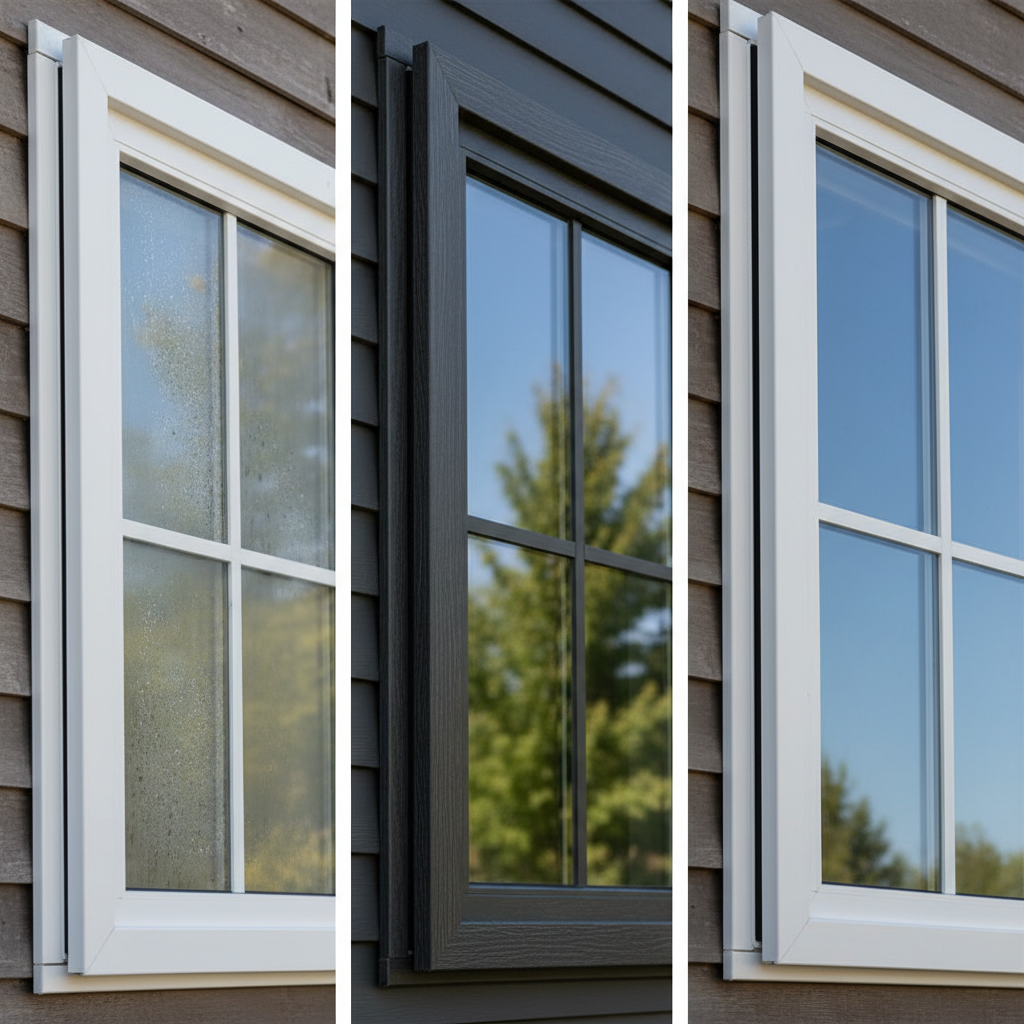
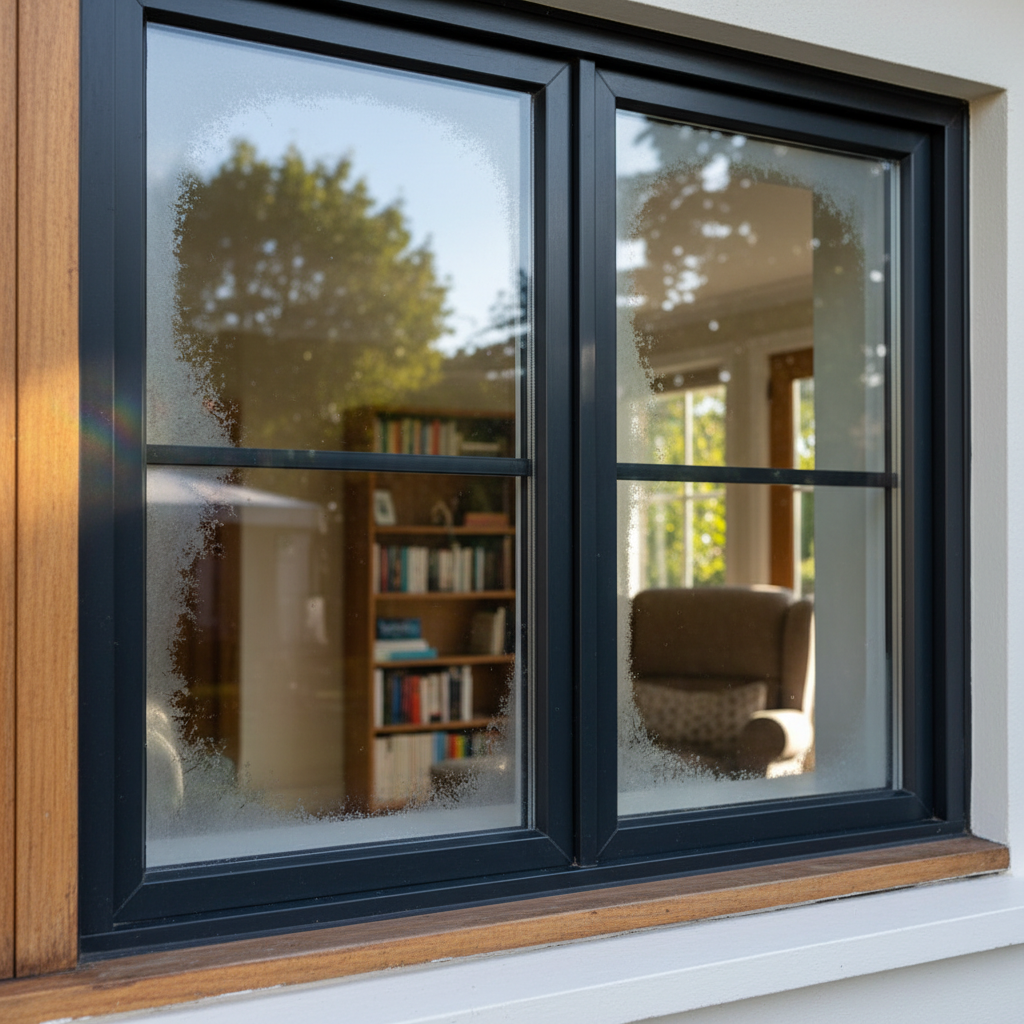
Another important aspect is the sealing technique used during installation. A well-sealed storm window will prevent moisture intrusion and air leaks. When installing, apply a high-quality sealant around the frame to create an airtight seal. Make sure to choose a sealant that is compatible with both the storm window materials and the existing window frame.
Tip: For optimal performance, it is wise to conduct regular inspections of your storm windows and seals to address any issues before they escalate, ensuring they function efficiently throughout the year.
Energy Efficiency of Different Weather Stripping Techniques
Assess Cost-Benefit Trade-offs: Energy Savings vs. Installation and Maintenance Expenses
When considering exterior storm windows, it's crucial to conduct a thorough cost-benefit analysis.
Energy-efficient storm windows can significantly reduce heating and cooling costs, with potential savings of up to 20% on energy bills, according to the U.S. Department of Energy.
However, it's essential to balance these savings against the upfront installation costs and ongoing maintenance expenses. Quality storm windows, depending on material and features, can range from
$100 to $400 per window, which can quickly add up for larger homes.
Moreover, maintenance costs should not be overlooked. While some storm windows require little to no maintenance, others may need regular inspections and repairs that can add up over time.
A recent study from the National Association of Home Builders indicated that homeowners might incur an annual maintenance expense of around
1% of the initial installation cost. Thus, understanding these trade-offs is vital to making an informed decision, ensuring
that the benefits of energy efficiency align with the overall financial investment in storm window solutions.



Share On: