10 Essential Tips for Choosing Stainless Steel Banding Straps?
Choosing the right Stainless Steel Banding Straps is crucial for various industrial applications. The Global Stainless Steel Banding Market is expected to grow at a CAGR of 5.2%, reflecting increasing demand across sectors like shipping and construction. This growth highlights the need for quality straps that offer durability and reliability.
Selecting appropriate Stainless Steel Banding Straps can impact operational efficiency. Remember, not all straps are created equal. Factors like thickness, width, and tensile strength are key. According to industry reports, using subpar materials can lead to failures and increased costs. Additionally, the importance of corrosion resistance cannot be overstated. In environments with moisture or chemicals, choosing the wrong strap can compromise integrity.
Understanding the properties of different Stainless Steel Banding options is essential. For instance, grade 304 is common due to its balance of strength and resistance, while grade 316 is suitable for harsher environments. Each application may have its specific requirements, emphasizing the need for informed choices. In this guide, we aim to highlight ten essential tips to help you navigate the selection process effectively.
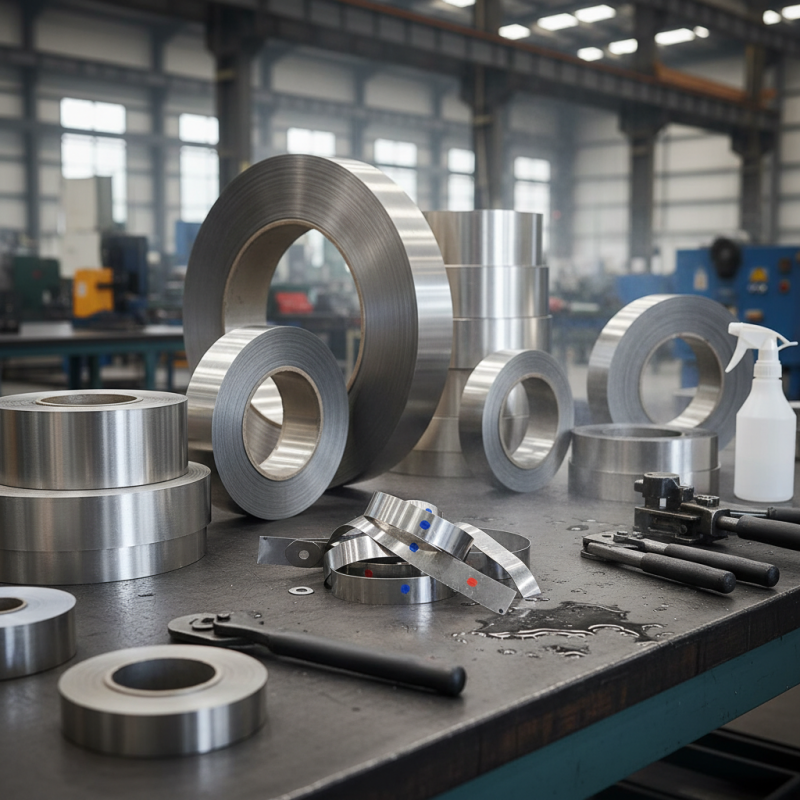
Understanding the Different Types of Stainless Steel Banding Straps
When selecting stainless steel banding straps, it’s crucial to understand the different types available. Each type serves a unique purpose and can greatly affect performance. General-use straps are versatile, suitable for a variety of applications. They’re often chosen for packaging because they are strong yet flexible.
Heavy-duty options offer enhanced durability. These are ideal for demanding environments where additional support is needed. Often, they come in various grades of stainless steel, creating slight differences in corrosion resistance and strength. Choosing the right grade is essential, especially in outdoor settings.
Another factor to consider is the thickness of the straps. A thicker strap can handle more weight but may be less flexible. Conversely, thinner straps are easier to manipulate but might not provide the same level of support. It’s a balance. Some might prefer ease of use while compromising on strength. Take time to reflect on your specific needs. Each application can dictate the right type of strap. Understanding these nuances can lead to better choices.
Essential Tips for Choosing Stainless Steel Banding Straps
Evaluating the Strength and Durability Requirements for Your Application
When evaluating the strength and durability requirements for stainless steel banding straps, it's crucial to consider the specific conditions of your application. Different environments can affect the performance of banding materials. For instance, exposure to high temperatures or corrosive substances may compromise banding integrity. Using the right type of stainless steel is essential. Grades like 304 and 316 offer varying levels of corrosion resistance.
Strength is another factor to analyze. The tensile strength of the banding should match the load it will bear. Overestimating your needs can lead to unnecessary costs. Conversely, underestimating could result in failure during critical operations. Testing the straps under real-world conditions provides valuable insights but often requires additional resources and time.
Moreover, incorrect installation can affect durability. Following guidelines for tension and application methods matters significantly. If the banding is too loose or too tight, it compromises performance. Reflecting on past experiences with banding can help identify common pitfalls. Learning from mistakes ensures better outcomes in future projects. Ultimately, consider each aspect carefully to enhance the longevity and effectiveness of your stainless steel banding straps.
10 Essential Tips for Choosing Stainless Steel Banding Straps
| Tip No. | Tip Description | Strength Requirement | Durability Factor |
| 1 | Determine the Application Needs | Medium | High |
| 2 | Check Corrosion Resistance | High | Very High |
| 3 | Choose the Right Width | Variable | Medium |
| 4 | Evaluate Thickness Options | High | High |
| 5 | Assess Temperature Resistance | Medium | High |
| 6 | Look for Certification Standards | N/A | N/A |
| 7 | Consider the Applicator Type | Variable | Medium |
| 8 | Take Cost Into Account | N/A | N/A |
| 9 | Ensure Proper Fastening Techniques | High | High |
| 10 | Review Manufacturer Warranties | N/A | N/A |
Selecting the Right Width and Thickness for Your Banding Straps
Choosing the right width and thickness for stainless steel banding straps is crucial. The width impacts the strength and load-bearing capacity. A wider strap distributes weight better, preventing damage to the pack or load. However, wider straps may not fit in tight spaces. Consider what you need before making a choice.
Thickness plays a vital role as well. Thicker straps generally provide more strength. Yet, they can be heavier and may require different tools for application. Analyze the requirements of your project carefully. Test different thicknesses on sample loads; this can offer valuable insights into what meets your needs the best.
Consider the environment too. Straps in harsh settings may require special treatment. A common oversight is choosing a strap that is either too thin or too thick, leading to failures. Ensure you assess all variables before deciding. Quality doesn't always mean heavier or thicker; it’s about finding balance.
Assessing Corrosion Resistance and Environmental Considerations
When selecting stainless steel banding straps, assessing corrosion resistance is crucial. Stainless steel's resistance to corrosion depends on the grade and environmental factors. For instance, a report from the International Stainless Steel Forum indicates that 304-grade stainless can resist corrosion in most environments. However, this grade can suffer in chloride-heavy settings, like coastal areas. Choosing the wrong type can lead to premature failure and costly replacements.
Environmental considerations also play a significant role. High humidity and fluctuating temperatures exacerbate corrosion risks. According to a study by the Corrosion Protection Association, manufacturers estimate that corrosion accounts for 25% of maintenance costs in infrastructure projects. This statistic highlights the need for rigorous evaluations of a product's environment. For example, banding straps used in chemical plants may require a higher alloy grade, such as 316, which offers better durability in harsh environments.
Additionally, it's important to consider sourcing materials. The quality of raw materials affects long-term performance. While higher-quality options may come at an initial premium, they often yield lower long-term costs. This reflection on value versus expense should guide decision-making in this critical area. Ignoring these factors could lead to significant financial implications in the future. Integrating corrosion assessments into your selection process ensures longevity and reliability in demanding applications.
Choosing the Appropriate Accessories for Stainless Steel Banding Systems
When selecting accessories for stainless steel banding systems, precision is crucial. The right accessories ensure durability and functionality. Common materials for banding, like Type 304 and Type 316 stainless steel, provide varying levels of corrosion resistance. Type 316 is particularly effective in harsh environments, with a notable 20% increase in lifespan compared to Type 304.
Consider the tensioning tools and seals as vital components. Tools must allow for proper tensioning, preventing slippage or failure. Studies show that improper tensioning can reduce effectiveness by up to 30%, potentially compromising integrity. The seal type matters too. Many experts recommend using double-wrapped seals, which can enhance joint strength significantly.
Mind the compatibility of accessories with the banding straps. Mismatched components may lead to premature wear or ineffective strapping. It’s essential to consult technical data sheets and manufacturer specifications before making a choice. Experts advise always testing a small batch in real conditions. Observing performance can reveal issues that could be overlooked otherwise. Sustainability and environmental impacts of materials are also growing concerns, warranting careful consideration in accessory selection.

Share On: