Top 5 Tips for Choosing WPC Wall Cladding for Your Project?
When embarking on a construction project, selecting the right materials is crucial. WPC Wall Cladding is becoming increasingly popular for both residential and commercial applications. Its wood-plastic composite nature means it offers durability, aesthetics, and ease of maintenance. However, choosing the best WPC Wall Cladding can be daunting.
Consider the environment where the cladding will be installed. Factors like moisture exposure and sunlight play a significant role in the material's performance. Not all WPC products are created equal; quality can vary widely among manufacturers. Researching brands with a solid reputation is essential. Look for those that provide warranty and have industry certifications.
Another factor is style and design. WPC Wall Cladding comes in various colors and finishes. This versatility allows for creative freedom but can lead to decision fatigue. Visualizing how different options blend with your overall design is vital. Reflect on what can enhance your space while ensuring the materials align with your project goals.
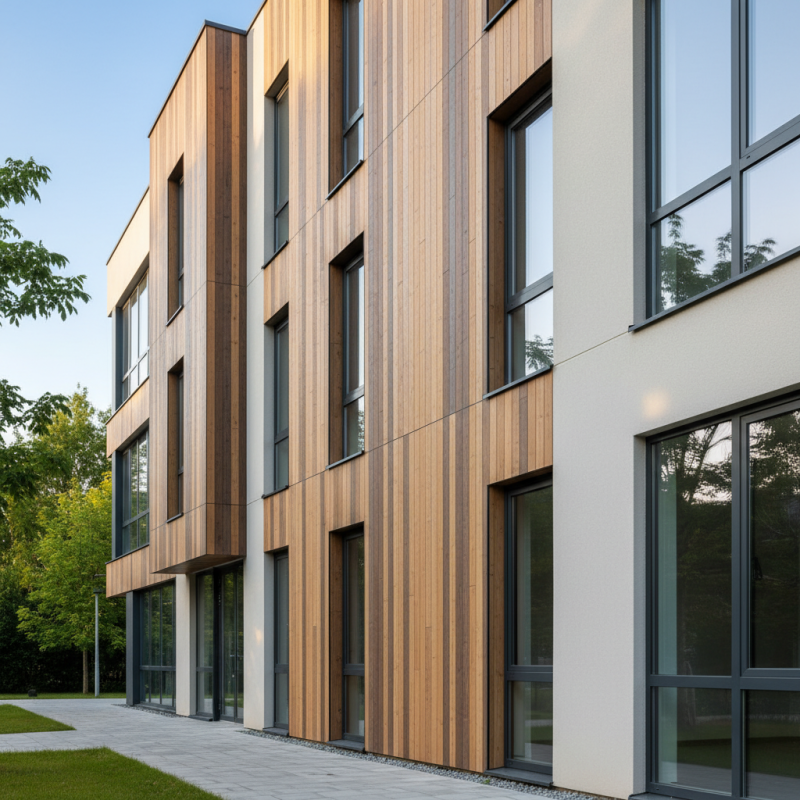
Understanding WPC Wall Cladding: Materials and Benefits
WPC wall cladding, made from wood-plastic composites, offers numerous advantages. This material combines the natural appeal of wood with the durability of plastic. The result is a solution that looks great while resisting weather damage. WPC cladding is often preferred for both residential and commercial projects.
Unlike traditional wood, WPC does not warp or splinter easily. This means fewer maintenance issues, saving you time and money in the long run. Additionally, it is resistant to pests, making it a reliable choice for outdoor applications. However, finding the right type of WPC can be challenging. Not all products offer the same quality or longevity, and some may fade in sunlight.
Also, consider the environmental impact of your choice. Look for products made with recycled materials. While WPC is generally considered eco-friendly, not all brands prioritize sustainability. It's crucial to research and reflect on your options before making a purchase. Balancing aesthetics, durability, and environmental responsibility will lead to a successful cladding project.
Evaluating Aesthetic Options: Colors, Textures, and Finishes
When selecting WPC wall cladding, evaluating aesthetic options is crucial. Color, texture, and finish have significant impacts on your project's outcome. Studies show that 80% of consumers are influenced by color in product decisions. So, finding the right shade for your walls is paramount.
Consider the available color palette. Some shades may fade over time, affecting your space's appeal. Darker colors can absorb heat, altering your environment. Lighter colors may create an illusion of spaciousness, making small areas feel larger. Balance these factors according to your project's needs.
Textures add depth and interest. Smooth finishes can reflect light, while rough ones create shadows, enhancing visual complexity. Be mindful that the texture should complement your overall design. A poor choice can disrupt harmony.
Tip: Test sample boards in your space. This helps visualize how colors and textures work together under varying light conditions. Another tip is to factor in maintenance; certain textures may require more effort to keep clean. Remember, aesthetics is about both initial appeal and long-term endurance.
Assessing Durability and Weather Resistance for Longevity
When choosing WPC (Wood-Plastic Composite) wall cladding, durability and weather resistance are critical for the longevity of your project. Research shows that WPC materials can withstand harsh environmental conditions, maintaining their integrity over time. This is supported by industry reports indicating that WPC can last up to 25 years with proper care.
It's essential to evaluate the specific climate conditions in your area. For instance, areas with high humidity or UV exposure may cause different wear on cladding. A study from the Forest Products Laboratory highlights that WPC's composite structure is less susceptible to rot and insect damage compared to traditional wood. Consider testing samples exposed to weather elements to see how well they perform.
Tip: Always check for warranties or performance guarantees. Quality manufacturers often provide these to showcase their confidence in durability.
Another aspect to consider is maintenance. Although WPC requires less upkeep than wood, it still needs occasional cleaning. Dust and debris accumulation can impact its appearance. A report by the American Society for Testing and Materials emphasizes regular maintenance to prolong the lifespan of any cladding material.
Tip: Look for cladding with UV inhibitors. These additives help prevent fading and extend the color retention of your wall surfaces.
Top 5 Tips for Choosing WPC Wall Cladding for Your Project
| Tip | Description | Durability Rating | Weather Resistance |
| 1. Check Material Composition | Choose WPC with a balanced blend of wood fibers and polymers for optimal strength. | High | Excellent |
| 2. Evaluate UV Resistance | Ensure the cladding is treated for UV protection to prevent fading and degradation. | Moderate | High |
| 3. Assess Water Resistance | Look for products with a low water absorption rate to prevent swelling and warping. | Very High | Excellent |
| 4. Consider Thermal Expansion | Select materials that accommodate thermal expansion to maintain structural integrity. | High | Moderate |
| 5. Review Maintenance Requirements | Choose low-maintenance options that require minimal upkeep over time. | High | High |
Budget Considerations: Cost Analysis and Value for Investment
When considering WPC wall cladding, budget is often a primary concern. First, establish your project's scope. Understand how much cladding you need and measure your walls accurately. Costs can add up quickly, especially if your area is large. Don’t forget to account for additional materials and installation. You might save upfront but could face higher long-term maintenance costs.
Explore different price points of WPC options. Not all materials offer the same durability or aesthetics. Some cheaper boards might warp or fade over time, costing you more in replacements. Research installation costs too. Hiring a professional can be more expensive but may ensure a better finish. Unprofessional work can lead to future problems, increasing overall costs.
Evaluate the long-term value of your investment. Does the material enhance your property’s value? If the aesthetics don’t resonate with potential buyers, your investment might not pay off. Always look for reliable sources of information when making decisions. Comparing different suppliers can provide insight into quality and longevity. It’s essential to balance cost and quality to ensure you make the right choice.
Installation and Maintenance Requirements: What to Expect
When choosing WPC wall cladding, understanding installation and maintenance requirements is crucial. WPC, or Wood Plastic Composite, combines wood fibers with plastic to create a durable material. Studies show that WPC can resist moisture and pests better than traditional wood. This makes it a popular choice for various applications, including outdoor and indoor projects.
Installation of WPC cladding typically involves a straightforward process. Many installers prefer using clips or fasteners for securing the panels. According to industry reports, a proper installation can reduce the risk of warping and cracking over time. However, it is essential to follow manufacturer guidelines closely. A mistake during installation could lead to issues, such as misalignment or gaps.
Maintenance is equally critical to prolonging WPC's lifespan. Unlike traditional wood, WPC requires minimal upkeep. Regular cleaning with soap and water often suffices. However, some users overlook the importance of periodic checks for signs of wear or damage. Research from industry publications suggests that those who engage in proactive maintenance can enhance their WPC cladding's durability by up to 30%. Being diligent in these practices can prevent costly repairs down the line.
Top 5 Tips for Choosing WPC Wall Cladding for Your Project
This bar chart illustrates the importance rating of various factors to consider when choosing WPC wall cladding for your project. The factors include durability, aesthetics, cost, maintenance, and installation, rated on a scale from 1 to 10.

Share On: