
Blog

Top 10 Aluminum Window Manufacturers for Global Buyers

Choosing the right Aluminum Window manufacturer can influence a project’s comfort, durability, cost, and long-term reputation. Global buyers need more than attractive catalog images. They must examine profile quality, thermal-break design, glass compatibility, drainage, surface coating, production capacity, and export experience. A polished frame means little if water enters through a weak corner joint.

Building-science expert Dr. Joseph Lstiburek states, “The perfect wall is one that keeps the rain out, controls air flow, controls vapor flow, and controls heat flow.” His observation applies directly to modern Aluminum Window systems. A reliable manufacturer should demonstrate tested air, water, and structural performance. Certifications matter. So do clear technical drawings, sample approvals, and documented quality inspections.

This guide reviews ten manufacturers serving international buyers. It considers product range, factory capability, customization, lead times, packaging, warranty support, and communication. Details matter. Look for reinforced profiles, properly fitted gaskets, consistent powder coating, and protected glass edges. These small features often decide whether installation remains smooth after thousands of kilometers.

No ranking can suit every building or climate. A coastal villa needs different protection from a dry inland warehouse. Some companies appear impressive but provide limited evidence. That deserves caution. Buyers should request recent test reports, references, and production samples before signing contracts.

The strongest choice is not always the cheapest. It is the supplier that explains limitations honestly, documents performance clearly, and supports the product after delivery. This list offers a practical starting point, not a substitute for careful verification.
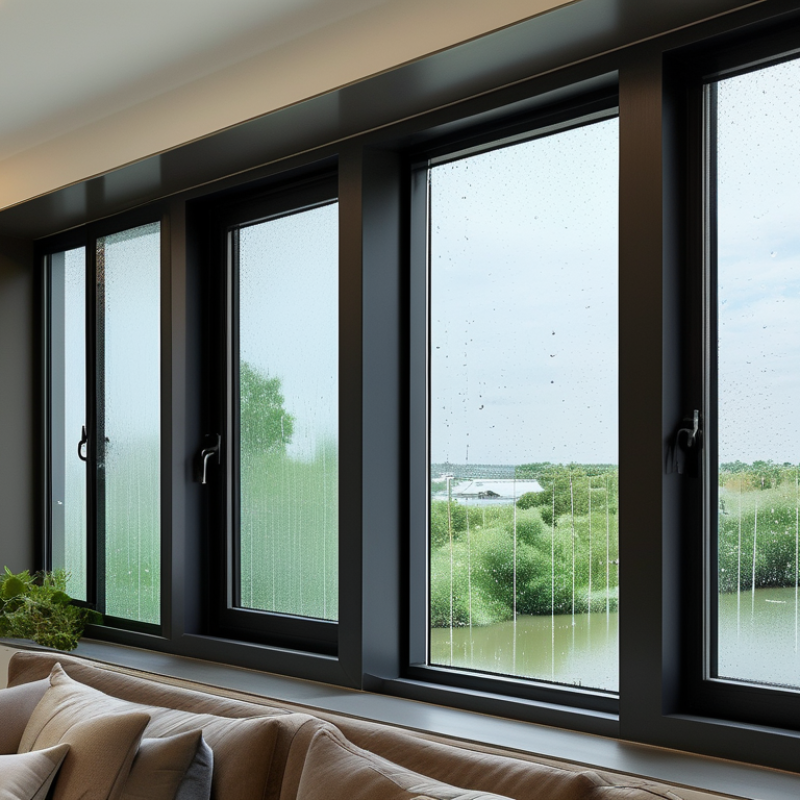
Top 10 Aluminum Window Manufacturers for Global Buyers

How Aluminum Window Manufacturers Are Evaluated for Global Buyers

Top 10 Aluminum Window Manufacturers for Global Buyers

How Aluminum Window Manufacturers Are Evaluated for Global Buyers

Global buyers should evaluate aluminum window manufacturers through measurable performance, not attractive catalogs. The International Energy Agency reported that buildings consumed about 30% of global final energy in 2022. Therefore, thermal performance deserves serious attention. Buyers should compare U-values, solar heat gain coefficients, air leakage, and glass specifications. These figures should come from accredited laboratory tests, not only factory claims.

Compliance is another practical filter. Manufacturers should provide test records aligned with standards such as EN 14351-1, ASTM E283, ASTM E331, or equivalent regional requirements. Wind-load calculations must match the project location. Coastal projects also need evidence of coating durability and corrosion resistance. A small sample may look excellent. It may not represent long-term production quality.

Factory evaluation should include production controls, inspection records, packaging methods, and replacement procedures. The International Energy Agency also emphasizes building-envelope improvements as a key path toward lower operational energy demand. Buyers should inspect thermal breaks, corner joints, drainage paths, and hardware alignment. Ask for recent batch data. Old certificates can mislead.

No scorecard is perfect. Some manufacturers communicate well but lack independent testing. Others offer strong engineering with weak after-sales support. Delivery history, technical drawings, installation guidance, and warranty terms should receive equal attention. A reliable supplier answers difficult questions clearly, even when the answer is inconvenient.

Key Features That Distinguish Leading Aluminum Window Manufacturers

Leading aluminum window manufacturers distinguish themselves through verified performance, not polished catalogs. The U.S. Department of Energy reports that windows can cause 25–30% of residential heating and cooling energy use. Therefore, global buyers should examine U-values, solar heat gain coefficients, air leakage, and water penetration results. A reliable supplier provides test reports, sample corners, and installation guidance for each climate zone.

Thermal breaks, low-emissivity glazing, and precise drainage channels are practical indicators of engineering quality. The International Energy Agency’s Buildings 2023 report states that buildings consume about 30% of global final energy. Better window systems can reduce heat transfer, but only when frames, glass, seals, and installation work together. A low U-value alone is not enough. That point is often missed.

Durability also depends on coating thickness, hardware cycles, corrosion resistance, and quality control. Buyers should request production records, third-party certification, and traceable batch numbers. The International Aluminium Institute reports that recycled aluminum requires about 95% less energy than primary aluminum, making recycled content a meaningful sustainability metric. Still, recycled material does not automatically guarantee stronger windows. Supplier audits, factory inspections, and performance testing remain essential. Some specifications look impressive, yet fail at the corner joint. That deserves honest scrutiny.

Top 10 Aluminum Window Manufacturers for Global Buyers - Key Features That Distinguish Leading Aluminum Window Manufacturers
Profile Primary Product Strength Common Window Systems Thermal Performance Air & Water Protection Aluminum Finish Options Glazing Capability Applicable Standards Customization Level Global Buyer Suitability
Manufacturer Profile 01 High-performance thermally broken windows for cold and mixed climates Casement Tilt & Turn Fixed Typical whole-window U-value: approximately 1.0–1.8 W/m²·K, depending on frame, glass and size Designed for tested air leakage, water penetration and structural performance under recognized fenestration standards Powder coating, anodizing and dual-color finishes Double or triple insulating glass; low-E and laminated options EN 14351-1, EN 12207, EN 12208, EN 12210 and project-specific test requirements ★★★★★ Well suited to energy-efficient residential and commercial projects
Manufacturer Profile 02 Large-format aluminum doors and windows with slim sightlines Lift & Slide Sliding Fixed Typical whole-window U-value: approximately 1.3–2.2 W/m²·K for thermally improved systems Multi-point seals and drainage channels help manage wind-driven rain and air infiltration Architectural powder coating, anodized finishes and wood-effect coatings Insulating, laminated, tempered and solar-control glass configurations EN 14351-1, EN 1027, EN 12207 and ASTM E283/E331 where specified ★★★★★ Suitable for villas, hotels and high-end panoramic applications
Manufacturer Profile 03 Cost-effective residential aluminum windows for high-volume projects Sliding Casement Awning Typical whole-window U-value: approximately 1.8–3.5 W/m²·K, depending on system configuration Basic to enhanced weather seals with optional upgraded hardware packages Standard powder coating, anodizing and commonly requested RAL colors Single, double and selected laminated glass options EN 14351-1 and local building-code testing; project verification recommended ★★★★☆ Practical for apartments, housing developments and replacement programs
Manufacturer Profile 04 Impact-resistant and hurricane-zone window solutions Fixed Casement Sliding Thermal performance varies widely; low-E insulating glass can improve the complete-window result Configurations may be engineered for high wind loads, impact resistance and severe weather exposure Powder coating, anodizing and marine-grade finish options Impact-rated laminated glass, insulated glass and safety glazing ASTM E1886/E1996, AAMA/WDMA/CSA 101/I.S.2/A440 and regional hurricane codes where applicable ★★★★★ Strong option for coastal, tropical and high-wind locations
Manufacturer Profile 05 Minimalist architectural systems with narrow aluminum profiles Fixed Pivot Slim Casement Typical whole-window U-value: approximately 1.2–2.4 W/m²·K, subject to frame depth and glazing Concealed gaskets and engineered drainage support clean visual lines and weather resistance Anodized, powder-coated and custom color finishes Double or triple glazing, laminated glass and oversized glass panels subject to engineering review EN 14351-1, EN 12207, EN 12208 and EN 12210 ★★★★★ Ideal for contemporary residential and architectural façade projects
Manufacturer Profile 06 Commercial curtain-wall and window-wall compatible systems Projecting Fixed Window Wall Thermal results depend on mullion depth, thermal breaks, spandrels and glass specification Designed for façade-level air, water and structural testing with engineered pressure equalization Powder coating, anodizing and fluoropolymer-based coatings for selected applications Insulating, laminated, spandrel and solar-control glazing systems ASTM E283, ASTM E331, ASTM E330 and applicable curtain-wall standards ★★★★★ Appropriate for offices, retail buildings and multi-story developments
Manufacturer Profile 07 Passive-house-oriented and high-energy-efficiency window packages Tilt & Turn Casement Fixed High-performance configurations may target whole-window U-values below 0.80 W/m²·K with suitable glazing Prioritizes low air leakage, continuous gaskets and carefully detailed installation interfaces Powder coating, anodizing and interior/exterior color combinations Triple insulating glass, warm-edge spacers and low-E coatings EN 14351-1, EN 12207 and project-specific passive-house or energy-code criteria ★★★★★ Best suited to low-energy, passive-house and demanding northern-climate projects
Manufacturer Profile 08 Thermally improved systems for hot climates and solar-control applications Sliding Casement Awning Typical whole-window U-value: approximately 1.6–3.0 W/m²·K; solar heat-gain control is also important Weather seals and drainage details are configured for intense sun, rain and seasonal temperature changes High-durability powder coating, anodizing and heat-reflective colors Low-E, solar-control, tinted, laminated and insulated glass options EN 14351-1, EN 12207, EN 12208 and regional energy-code requirements ★★★★☆ Suitable for Middle Eastern, Mediterranean, African and other warm-climate markets
Manufacturer Profile 09 Noise-reduction and acoustic glazing solutions Casement Tilt & Turn Fixed Thermal performance depends on the selected frame and acoustic glass build-up Compression seals and multi-point locking help improve both airtightness and sound insulation Powder coating, anodizing and custom architectural colors Laminated acoustic glass, asymmetric insulating glass and secondary glazing options EN 14351-1, EN ISO 10140 and ISO 717-1 for acoustic performance evaluation ★★★★☆ Useful for urban housing, hotels, airports and roadside developments
Manufacturer Profile 10 Export-focused supplier offering broad configuration and packaging support Sliding Casement Bi-Folding Typical whole-window U-value: approximately 1.5–3.2 W/m²·K for thermally broken designs Performance depends on selected hardware, seals, drainage design and installation quality Powder coating, anodizing, wood-effect and dual-color finishes Single, double, triple, tempered, laminated and low-E glass options EN 14351-1, CE-related documentation and destination-market testing where required ★★★★☆ Flexible for distributors, contractors and multi-country procurement programs

Buyer note: U-values, weather resistance, acoustic ratings and structural performance are dependent on the complete window assembly, including frame size, glass specification, hardware, seals and installation. Request current third-party test reports and project-specific declarations before final procurement.

Top 10 Aluminum Window Manufacturers Serving International Markets

Choosing among the top 10 aluminum window manufacturers serving international markets requires more than comparing catalog prices. A reliable supplier should show factory experience, export records, and documented quality controls. Buyers should inspect extrusion thickness, thermal-break design, hardware durability, and drainage details. Small differences matter. A poorly sealed corner can cause water stains after one rainy season.

For global projects, technical compatibility is essential. Manufacturers should provide test reports for air infiltration, water resistance, wind pressure, and thermal performance. They also need clear information about regional standards, glazing options, powder-coating thickness, and available colors. A useful supplier can adapt drawings for different wall systems and explain installation tolerances. Sample corners and full-size mock-ups reveal problems that brochures often hide.

Logistics also separates capable manufacturers from attractive sellers. Confirm packaging methods, container loading plans, spare parts, replacement policies, and realistic production schedules. Written communication should remain precise across languages and time zones. Factory audits, video inspections, and independent testing add confidence, although they cannot remove every risk. No supplier is flawless. I would question any manufacturer promising identical performance in every climate. Coastal humidity, strong sunlight, freezing temperatures, and local installation habits can change results. The strongest candidates among the top ten usually combine engineering support with honest limitations, consistent documentation, and responsive after-sales service.

Product Range, Certifications, and Customization Capabilities Compared

When comparing the top 10 aluminum window manufacturers, product range should be examined beyond catalog images. Strong suppliers usually offer sliding, casement, tilt-and-turn, folding, and fixed windows. Their systems may support double or triple glazing, thermal breaks, insect screens, and integrated blinds. Check actual section drawings, not only advertised performance figures. Small profile changes can affect drainage and installation.

Certifications reveal manufacturing discipline, but they need careful verification. ISO 9001 indicates a documented quality system, while ISO 14001 reflects environmental management practices. Depending on the destination, buyers may also require CE marking, NFRC data, local impact testing, or fire-related reports. Certificates should match the exact profile, glass package, and factory location. A general company certificate is not enough. Ask for current test reports, batch records, and traceable declarations.

Customization separates capable manufacturers from simple resellers. Request options for profile depth, thermal-break width, glass thickness, colors, hardware brands, drainage design, and opening direction. Coastal projects may need marine-grade finishes and corrosion-resistant fasteners. Large openings require careful attention to wind load and glass weight. Factory samples help expose weak gaskets or uneven powder coating. No supplier is perfect. Some customization claims sound impressive but lack engineering drawings or production limits. Buyers should compare prototype quality, lead times, packaging details, and after-sales response before approving a full order.

How Global Buyers Can Select the Right Aluminum Window Supplier

Top 10 Aluminum Window Manufacturers for Global Buyers

How Global Buyers Can Select the Right Aluminum Window Supplier

Choosing an aluminum window supplier requires more than comparing catalog prices. Product performance, factory control, and documentation matter equally. The 2023 Global Status Report for Buildings and Construction states that buildings consume about 30% of global final energy. Therefore, buyers should request tested U-values, air leakage, water penetration, and wind-load results. These figures reveal whether a window suits the project’s climate, not just its showroom appearance.

Practical procurement experience shows that small details often create large costs. Check alloy grade, wall thickness, thermal-break design, coating durability, and replacement hardware availability. Ask for recent batch records and independent laboratory reports. Compare samples under daylight. A perfect sample may hide inconsistent production. Also verify packaging, loading plans, lead times, and after-sales response. Suppliers should explain which local or international standards their products meet, such as relevant EN or ASTM requirements.

Tips: Request a sample corner, not only a flat frame. Measure joints, drainage paths, and gasket contact. The International Aluminium Institute reports that recycled aluminum uses roughly 5% of the energy required for primary aluminum production. Ask suppliers for recycled-content evidence and traceability. Sustainability claims need documents. A cheaper offer can become expensive after site adjustments, damaged shipments, or missing test data. I would also keep a small contingency budget; even strong suppliers sometimes miss a detail.

Article Source:

Share by: