Blog

Top 10 Storm Windows With Screens for Global Buyers

Choosing storm windows with screens is no longer only a seasonal maintenance decision. It affects comfort, ventilation, noise, and household energy use. The U.S. Department of Energy reports that windows can represent about 25–30% of residential heating and cooling energy consumption. That figure gives buyers a practical reason to compare frame materials, glazing, seals, and screen design carefully.

The National Fenestration Rating Council emphasizes measurable performance through U-factor, solar heat gain coefficient, and air-leakage ratings. These metrics help global buyers compare products more reliably, although testing systems may differ between regions. A product tested for North American conditions may not suit a humid coastal home, a cold continental climate, or a high-wind location. Small details matter. A poor fit can leave visible gaps, trapped moisture, or rattling frames.

Dr. Joseph Lstiburek, founder of Building Science Corporation, has said, “A window is a hole in the wall.” His concise warning explains why installation deserves as much attention as product selection. This guide examines the top 10 storm windows with screens for global buyers, focusing on durability, seasonal airflow, insect protection, maintenance, and realistic thermal performance. Some products look excellent on paper. Not all perform equally in daily use. That is the uncomfortable part. Buyers should check local climate data, certification documents, warranty terms, and installer experience before ordering. No single model fits every building. Window size, exterior exposure, screen mesh, and ventilation habits can change the outcome. Expect trade-offs. Consider them before choosing.
Top 10 Storm Windows With Screens for Global Buyers

What Storm Windows With Screens Are and How They Work

Storm windows with screens are secondary window systems fitted over an existing window, either indoors or outdoors. They add a protective layer without replacing the main sash. Depending on the design, a screen may sit beside a glass panel or replace it during warmer months. That gap matters. Trapped air can slow heat transfer and reduce drafts, while a snug frame helps limit wind-driven rain. Screens allow airflow and help keep insects outside, but they do not block severe weather on their own.

In use, the outer frame attaches to the window opening, and seals around its edges reduce air leakage. On a breezy day, the screen lets fresh air pass while catching leaves and bugs. A glass panel can be closed when temperatures drop or rain picks up.

Small details matter. Clear drainage paths help water escape rather than collect in the frame. Before choosing a system, measure the opening carefully and check that the existing window closes properly.

An old, warped frame can still leak, even with a well-made storm window. That limitation is easy to miss. Screens also need occasional cleaning, since dust can restrict airflow and obscure the view. A practical choice depends on the climate, window condition, and how often the room needs ventilation.

Key Features Global Buyers Should Compare

When comparing storm windows with screens, global buyers should examine the complete window system, not only the listed price. Frame material affects weight, corrosion resistance, and service life. Aluminum is light and durable, while reinforced vinyl can reduce heat transfer. Coastal buyers should inspect protective coatings carefully. Salt air is unforgiving.

Screen quality also matters. Look for tightly woven mesh that blocks insects without greatly reducing airflow. Fine mesh helps against small flies, but it may darken the room. A removable screen is easier to clean and replace. Check whether the screen locks firmly into the frame. Loose edges invite dust and insects.

Glass or panel construction deserves close attention. Laminated or impact-resistant options may improve safety during severe weather, but they can increase weight and installation demands. Compare insulation values, visible-light levels, and water-drainage details. Compression seals should remain flexible in cold and hot climates. Measure the opening at several points; older buildings are rarely perfectly square. I learned this after a “standard” unit left a narrow gap at one corner. Small gaps become loud problems in heavy rain.

Buyers should also compare wind-load data, fasteners, warranty terms, replacement parts, and installation guidance. Specifications from an independent testing laboratory are more dependable than vague claims such as “all-weather.” Confirm measurements in millimeters and inches before ordering. Ask how the unit performs after repeated removal, because seasonal storage can damage weak clips. The cheapest option may fit today but cost more when seals and screens need early replacement.

Top 10 Storm Windows With Screens by Design and Use

Top 10 Storm Windows With Screens for Global Buyers

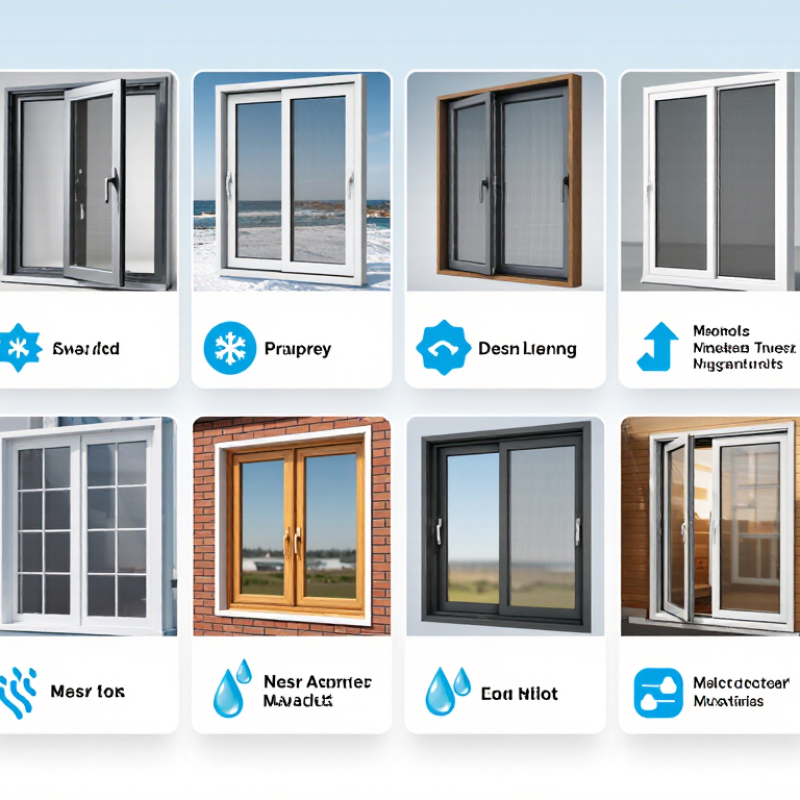
The best choice depends on the opening, climate, and how often you use the window. For broad views and easy cleaning, consider full-view or two-track screens. Triple-track designs allow separate movement of glass and screen panels. Low-e models suit homes seeking better insulation, while fixed units work for rarely opened windows. Interior magnetic panels are convenient for renters or seasonal use. Hinged screens suit casement windows; removable panels suit mild seasons. Custom storm windows can preserve the look of older frames. That makes ten useful design options, not ten universal winners.

The U.S. Department of Energy’s Energy Saver guidance reports that low-e storm windows may reduce heating and cooling costs by 10% to 30%, depending on the home and installation. I would not treat that range as a promise. A loose corner can admit a thin draft, and a poorly matched screen may obstruct the sash. Fit matters most. Check frame depth, opening direction, screen mesh, and whether the unit is easy to remove before buying.

Tips: Measure each opening in several places; older frames are rarely perfectly square. Ask for tested thermal ratings, such as U-factor, and confirm the screen can be replaced. If condensation appears between layers, pause and inspect ventilation and seals.

Installation, Maintenance, and Climate Compatibility

Top 10 Storm Windows With Screens for Global Buyers

Installation begins with accurate measurements. Measure the opening at three points, then use the smallest width and height. A two-millimeter error can create drafts or prevent a secure fit. Clean the frame before installation, especially around old paint and compacted dust. In coastal homes, use corrosion-resistant fasteners. In colder regions, leave enough clearance for seasonal expansion. Measure twice. Seal carefully.

Climate compatibility affects both comfort and lifespan. In humid tropical areas, choose screens with fine, durable mesh and frames that resist moisture. Good drainage channels help after heavy rain. Dry, dusty climates need washable screens and tight corner joints. For cold regions, insulated storm panels can reduce heat loss, but ventilation still matters during warmer months. High-wind locations require reinforced attachments and regular fastener checks. Local weather patterns deserve more attention than marketing claims.

Maintenance is simple, but often neglected. Vacuum loose dust before washing the screen with mild soap and clean water. Avoid harsh chemicals; they may weaken coatings or discolor the frame. Inspect seals after every severe storm. Replace torn mesh quickly, since a small opening can grow under wind pressure. I have found that removable designs save time during seasonal cleaning. However, they may rattle when poorly fitted. That detail is easy to miss. Record the installation date and inspect each window twice a year.

Safety, Standards, Pricing, and International Buying Tips

For global buyers, a top-ten storm-window shortlist should begin with safety, not appearance. The U.S. Department of Energy reports that windows can cause 25–30% of household heating and cooling energy use. A properly fitted secondary layer may reduce drafts, but results depend heavily on the existing frame. Check tempered or laminated safety glass where impact risk is credible. A screen is not a guardrail. Ask for test evidence, not marketing language.

Request air-leakage data under ASTM E283, structural data under ASTM E330, and impact classifications under ASTM E1886 and E1996 when severe weather applies. These are not universal approvals. Confirm local building-code acceptance, fire-egress rules, wind-load calculations, and corrosion requirements near saltwater. The 2024 International Energy Conservation Code emphasizes fenestration performance, yet local adoption varies. I would not treat one laboratory certificate as global compliance. It is a common purchasing mistake.

Pricing should be compared as landed cost: unit, screen, glazing, hardware, packaging, insurance, duty, and installation. UNCTAD’s Review of Maritime Transport 2023 documents continuing volatility in shipping conditions, so a cheap factory quote can become expensive at the port. Specify millimeters, tolerances, mesh aperture, coating, replacement parts, and warranty remedies. Request a sample corner and water-drainage drawing. Small details expose weak engineering. Compare three equivalent quotations with identical performance assumptions. I still allow a contingency; international projects rarely follow the first spreadsheet.

Share by: