
What Is the Top Window and Door Store in China?
Choosing a leading window and door store in China takes more than comparing prices or browsing polished product photos. Buyers need to assess materials, manufacturing quality, customization options, delivery support, and after-sales service. A showroom may display sturdy aluminum frames and smooth hardware, but daily performance depends on accurate measurements and careful installation. Details matter.
China’s market includes local manufacturers, regional dealers, and large retail platforms. Their strengths can differ by city, product type, and project size. A store that serves a homeowner well may not suit a contractor managing several sites. That is easy to overlook. So, what does “top” really mean?
This article explores practical ways to compare suppliers, rather than treating one name as the automatic winner. It considers product range, clear specifications, service transparency, customer feedback, and the ability to explain warranties in plain language. Where evidence is limited or reviews conflict, that uncertainty should be stated—not smoothed over. A single glowing testimonial proves little. Look for consistent details across independent sources, and ask specific questions about glass, seals, hardware, installation, and maintenance. The right choice depends on your location, budget, building needs, and expectations. No store is perfect; even a well-regarded supplier can have uneven service between branches. A careful comparison helps readers identify a dependable option for their own project.
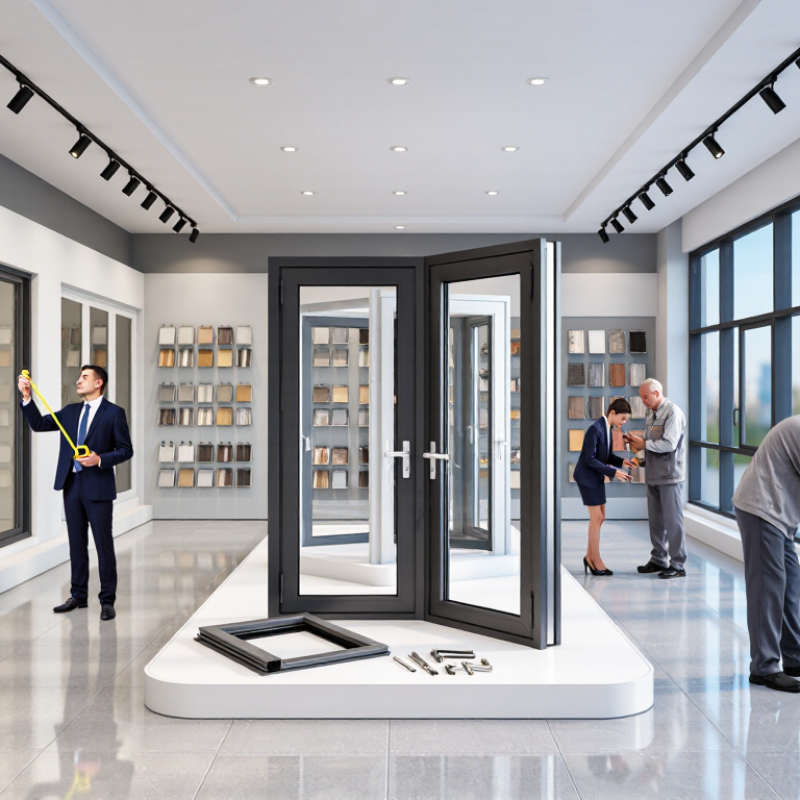
China’s Window and Door Market: Main Product Categories and Buyer Needs
China’s window and door market serves varied climates, building types, and renovation budgets. Common choices include aluminum, thermally broken aluminum, uPVC, timber, and composite frames. Buyers also compare sliding, casement, tilt-and-turn, and entrance-door systems. The right choice depends on more than appearance. A coastal apartment may need strong resistance to wind-driven rain, while a home beside a busy road may benefit from well-sealed frames and suitable glazing. Details matter. The China Building Energy Efficiency Association’s 2022 China Building Energy Consumption Research Report estimated building-operation energy use at about 1.06 billion tonnes of standard coal in 2020. That figure helps explain why insulation and airtightness deserve attention, though windows alone cannot determine a building’s energy performance.
For many buyers, practical checks are clearer than broad claims: ask for tested thermal and acoustic values, inspect corner joints and hardware, and confirm how installation gaps will be sealed. Request written specifications and clarify what the warranty covers, including labor and replacement parts. In older homes, opening size and wall condition can limit the available options. A premium frame may not solve poor installation. Not every upgrade pays back. I would compare total installed cost, local climate needs, maintenance, and expected service life before choosing; the cheapest quote may leave important details unclear.
What Is the Top Window and Door Store in China? - China’s Window and Door Market: Main Product Categories and Buyer Needs
| Product Category | Common Applications | Typical Buyer Needs | Key Selection Considerations |
|---|---|---|---|
| Aluminum Alloy Windows and Doors | Residential apartments, houses, offices, and commercial buildings | Durability, slim frame profiles, weather resistance, and a wide choice of configurations | Frame and hardware quality, glazing options, drainage design, airtightness, and suitability for local climate conditions |
| Thermal-Break Aluminum Windows and Doors | Homes and buildings where improved indoor comfort and energy performance are priorities | Reduced heat transfer, better sound insulation, and reliable performance in hot or cold weather | Thermal-break design, glass configuration, seals, installation quality, and applicable project requirements |
| uPVC Windows and Doors | Residential buildings and renovation projects | Low maintenance, corrosion resistance, and insulation performance | Profile construction, reinforcement, hardware, weather seals, glazing, and exposure to local temperature and sunlight conditions |
| Wooden Windows and Doors | Interior spaces, premium residences, and projects seeking a natural material appearance | Warm appearance, design flexibility, and a natural finish | Wood species, moisture control, surface finish, maintenance needs, and suitability for the installation environment |
| Steel Security Doors | Apartment entrances, houses, and other locations requiring a robust entry door | Security, dependable locking, durability, and resistance to everyday wear | Door construction, frame fit, lock and hinge quality, finish, and installation workmanship |
| Interior Doors | Bedrooms, bathrooms, kitchens, and other internal rooms in residential or commercial buildings | Privacy, appearance, ease of cleaning, and suitability for the room | Core and surface materials, moisture resistance where needed, sound control, dimensions, and hardware |
| Sliding Doors | Balconies, patios, room dividers, and openings where a swinging door would take up space | Space efficiency, convenient operation, and a clear opening for access | Track design, roller quality, panel weight, seals, opening size, and ease of maintenance |
| Curtain Wall and Commercial Building Systems | Office buildings, shopping centers, hotels, and other larger commercial projects | Project-specific design, weather protection, daylight access, and coordination with the building structure | System engineering, structural performance, glazing specification, testing requirements, installation, and project documentation |
Buyer note: There is no single window and door product that is best for every project. Buyers typically compare application, climate, performance requirements, budget, installation capability, after-sales support, and relevant local building codes.
Related Posts
-
Top 10 Integrity Windows and Doors Suppliers Worldwide?
-

2026 Best Windows Siding and Doors for Global Buyers?
-
Top Benefits of Harvey Windows and Doors for Your Home Renovation?
-

Top Window and Door Store Types for Global Buyers?
-
2026 Top Window and Door Store Types for Global Buyers?
-
2026 Best Window and Door Store Options for Your Home Upgrade?
Share On: