The Ultimate Guide to Choosing Storm Windows for Your Home?
When it comes to safeguarding your home from unpredictable weather, storm windows are an essential consideration. These windows act as a barrier against harsh elements, enhancing both safety and energy efficiency. But choosing the right storm windows can be overwhelming, given the variety of materials and styles available. Understanding how to make an informed choice is crucial to ensuring the best protection for your home.
In this guide, we'll explore key factors to consider when selecting storm windows. You'll learn about different types, such as vinyl and aluminum, and their unique benefits. Furthermore, we'll address the installation process, something often overlooked but vital for effectiveness. We aim to provide you with realistic insights and practical tips, acknowledging that not every solution will fit every situation.
Ultimately, investing in storm windows is about more than just aesthetics; it's about creating a safer home environment. Whether you're preparing for a storm or looking to improve energy efficiency, our guide will help you navigate the decision-making process. Let's dive in and equip you with the knowledge to choose the best storm windows for your needs.

Understanding Storm Windows: Types and Benefits
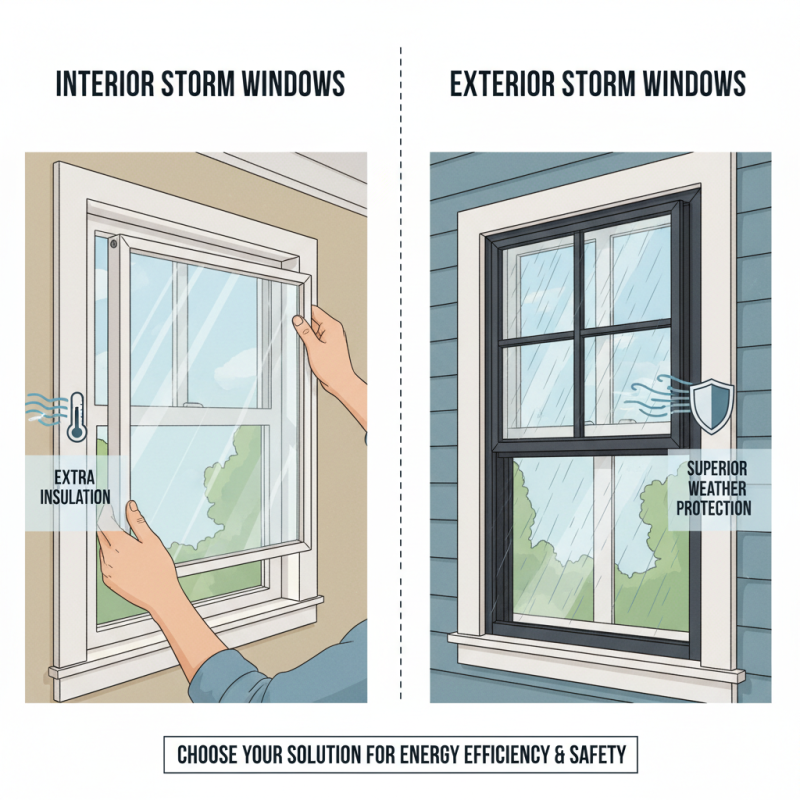
Understanding storm windows can significantly enhance your home's energy efficiency and safety. There are two main types: interior and exterior storm windows. Interior storm windows are easy to install and remove. They provide extra insulation without heavy alterations. Exterior storm windows, however, are more durable and offer superior protection against harsh weather. Each type has its advantages, depending on your specific needs.
When choosing storm windows, consider local climate conditions. If you live in an area prone to high winds or heavy snowfall, exterior windows may be preferable. They can withstand severe weather better. Additionally, consider the design and aesthetics of your home. Choosing the right style ensures they complement your existing windows and enhance curb appeal.
Tips: Always measure your windows accurately before purchasing. This helps avoid costly mistakes. Also, consider the material of the storm windows. Vinyl and aluminum are popular choices due to their durability. Lastly, think about energy efficiency ratings. High-performance storm windows can reduce heating and cooling costs, benefiting your wallet and the environment. Even with the best options, installation may not be perfect. It's okay to learn from mistakes and seek advice when needed.
Key Factors to Consider When Choosing Storm Windows
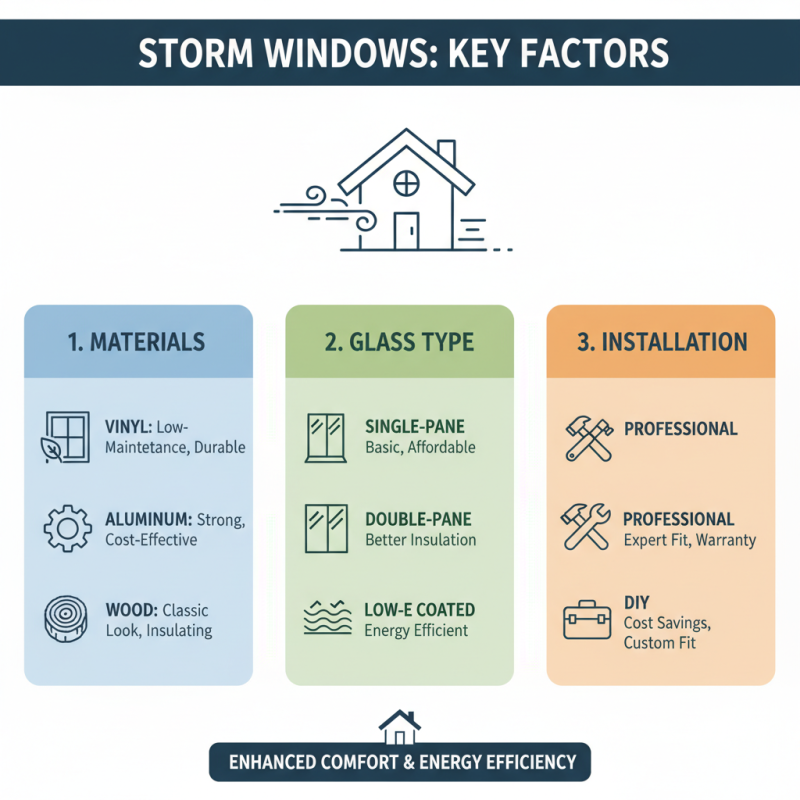
Choosing the right storm windows for your home can greatly enhance comfort and energy efficiency. Key factors play a vital role in this decision. First, think about the materials. Vinyl, aluminum, and wood are common choices. Each has its own strengths and weaknesses. For instance, vinyl is low maintenance, while wood offers a classic look.
Tips: Always consider your climate. In harsh weather, durable materials are essential. If you live in an area with high winds, look for stronger window options.
Next, assess the insulation value. Look for windows with good thermal performance. This can drastically reduce heating and cooling costs. Pay attention to the energy rating labels. They provide essential information on efficiency.
Tips: Don’t overlook window installation. Poor installation can lead to air leaks, negating energy savings. Hiring a professional may incur extra costs, but it’s often worth it for proper sealing and fitting. Additionally, think about aesthetics. Storm windows should complement your home’s style. A mismatched design can detract from overall appeal.
Consider your needs carefully when selecting storm windows. Reflect on the balance between function and style for the best outcome.
Measuring Your Windows for Storm Window Installation
Measuring your windows accurately is crucial for a successful storm window installation. Start by using a tape measure. Measure both the height and width of each window frame. It’s essential to note the exact dimensions. Small discrepancies can lead to improper fitting. Ensure you measure from the inside of the frame to the opposite inner edge. This will provide you with the correct size for your storm windows.
Consider checking the window sills as well. They should be level and unobstructed. Uneven sills can cause complications during installation. If your window frames are old or warped, it’s wise to document these imperfections. Once you’ve completed your measurements, write them down clearly. Double-check all dimensions to prevent mistakes. A simple error could mean ordering the wrong size.
When in doubt, consult with a professional or refer to installation guides. They can provide insights based on experience. If you’re unsure about taking precise measurements, seek help from a friend or family member. Having an extra pair of hands can help you navigate this process more smoothly. Remember, accurate measurements lead to better protection against the elements.
The Ultimate Guide to Choosing Storm Windows for Your Home
This chart illustrates the average dimensions of windows suitable for storm window installation. The measurements reflect common window sizes across various home styles.
Installation Process for Storm Windows: A Step-by-Step Guide
Installing storm windows can be a rewarding project that enhances your home’s energy efficiency. Begin by gathering all necessary tools. You will need a measuring tape, level, caulk, and screws. Accurate measurements are essential. Measure each window frame carefully to ensure a proper fit. Don't rush this step; mistakes can lead to wasted materials.
Once you have your windows, start the installation process. Clean the window frame thoroughly before fitting the storm windows. A clean surface allows for better sealing. Position the storm window against the frame and check if it is level. Adding shims can help adjust the fit. When everything aligns, secure the window with screws. The caulking process is crucial for preventing air leaks. Apply a generous bead around the edges. This is where many fail—an imperfect seal can diminish the benefits.
Take your time with each step. Rushing may lead to errors. After installation, inspect your work. Small gaps or uneven fittings could lead to drafts or water leaks. Addressing these issues now saves future headaches. Remember, every home is different, and what works for one may not work for another. Adapt as needed and always prioritize quality.
Maintenance Tips for Longevity of Your Storm Windows
Maintaining storm windows is crucial for their longevity and effectiveness. Regular inspections help identify issues early. Weather changes can wear down materials, especially if windows are subjected to harsh winds or heavy snow. According to the American Architectural Manufacturers Association, proper maintenance can extend the lifespan of storm windows by up to 30%.
Cleaning is essential. Use a gentle detergent and soft cloth to prevent scratches. Avoid abrasive cleaners that can damage surfaces. Twice a year is a good rule for thorough cleanings. Though it's tempting to skip, dirt buildup can affect insulation and visibility.
Check seals and frames regularly. Cracks or gaps can lead to air leaks. Sealing these issues promptly can improve energy efficiency. Studies show well-maintained storm windows can reduce heating costs by up to 15%. Neglecting maintenance might lead to costly repairs or replacements down the road. Investing time in care pays off in savings and comfort.
The Ultimate Guide to Choosing Storm Windows for Your Home - Maintenance Tips for Longevity of Your Storm Windows
| Window Type |
Material |
Energy Efficiency |
Maintenance Frequency |
Lifespan (Years) |
| Triple Pane |
Vinyl |
High |
Annually |
30+ |
| Double Pane |
Aluminum |
Moderate |
Bi-Annually |
20-30 |
| Storm Panels |
Polycarbonate |
Moderate |
Annually |
10-15 |
| Exterior Storm Windows |
Wood |
Low |
Every 6 Months |
15-20 |




Share On: