
What Is a Modular Trade Show Booth? It is a flexible exhibit system built from reusable frames, graphic panels, lighting, counters, and accessories. Unlike a custom booth, it can change size and layout for different venues. The structure may fit a ten-foot space today, then expand across a larger island exhibit tomorrow.
Barry Siskind, a recognized trade show consultant and author, said, “The purpose of exhibiting is not to sell—it is to start the sales process.” That idea remains practical. A Modular Trade Show Booth should guide visitors toward conversation, not merely display attractive graphics. Consider a fabric wall, a backlit logo, two product shelves, and a small meeting counter. Each element should support a clear visitor journey. Experienced exhibitors also check packing weight, assembly time, storage needs, and venue restrictions before ordering.
The best system is not always the most elaborate one. It is the one your team can transport, assemble, maintain, and reuse confidently. That sounds simple. It is not always simple. Loose connectors, weak lighting, or crowded graphics can reduce its value quickly. A thoughtful design leaves walking space and keeps essential messages visible from the aisle. It also allows future updates without replacing the entire structure. Some claims about modular exhibits promise effortless savings, but real results depend on logistics, staff training, and repeated use. This guide examines the components, benefits, limitations, and planning decisions behind a reliable Modular Trade Show Booth.
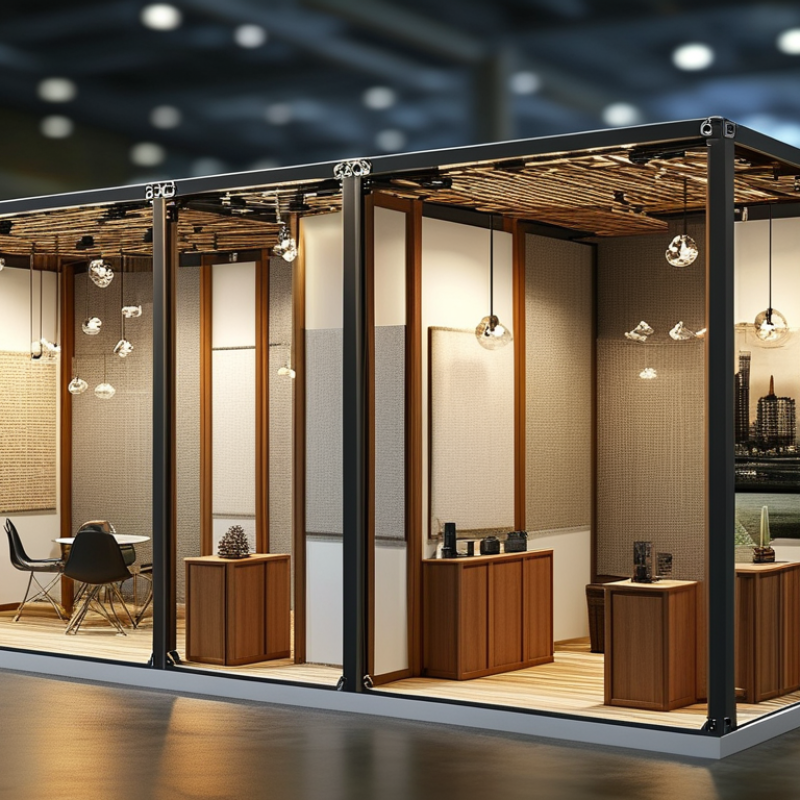
A modular trade show booth is an exhibit system built from reusable sections. These sections may include aluminum frames, fabric graphics, counters, shelves, lighting, and storage units. Unlike a custom-built booth, it can be rearranged for different floor spaces and event goals. A 10-by-10-foot layout might later become a larger island display. The structure should remain stable, visually clean, and simple to assemble.
Core features include flexibility, portability, and repeat use. Lightweight frames reduce transport effort and setup time. Replaceable graphics help exhibitors update messages without rebuilding the entire booth. Integrated shelving keeps brochures, samples, and personal items organized. Electrical planning also matters. Poorly placed lights can create glare on product surfaces or make printed messages difficult to read. Professional planning should consider fire safety, venue rules, accessibility, and safe cable management.
Tips: Measure the venue space carefully. Test the graphic height before shipping. Leave room for visitors to enter naturally. In practice, the first layout is rarely perfect. Small adjustments matter. A modular booth may look efficient on paper, yet feel crowded during a busy show. Reviewing visitor movement after each event can reveal weak points. That honest review often improves the next configuration more than adding another display element.
A modular trade show booth uses reusable parts that connect into a complete exhibit. Its frame forms the structure, usually with lightweight aluminum profiles and locking connectors. Each connector must seat fully. A loose joint can create uneven walls, distracting gaps, or unwanted movement.
Fabric, PVC, wood, or printed panels attach to the frame and create the visible surfaces. Graphics should match the panel measurements precisely, including safe margins around edges. A counter can connect to the frame as a functional display point. Shelves, product holders, and monitor mounts usually use dedicated brackets. They should carry only their specified weight. Fit matters.
Lighting, flooring, and cable management complete the working space. LED fixtures may clip onto the upper frame, while cables should run through channels or concealed openings. Flooring panels can hide wires and reduce trip risks. In a real setup, the floor is rarely perfectly level. Small adjustments may be necessary. That detail is easy to underestimate.
A useful installation sequence is frame, panels, fixtures, graphics, and accessories. This order reduces rework and protects printed surfaces. Every part should have a label or simple assembly drawing. Experienced teams also test the booth before shipping, checking connectors, graphic tension, lighting, and packed dimensions. A practical warning remains: modular does not mean effortless. One missing connector can delay the entire installation. Personally, I would allow extra setup time, because early plans often look cleaner than the exhibition hall.
A modular trade show booth uses repeatable frames, panels, counters, and lighting. Its parts can be rearranged for different floor spaces. Aluminum frames keep the structure light, while fabric graphics create broad, wrinkle-resistant visual surfaces. SEG fabric can also hide seams better than rigid panels. That detail matters under bright hall lighting.
CEIR’s U.S. B2B Exhibition Industry Census reported approximately 1.8 million exhibiting companies before the pandemic. Competition is intense. A modular layout should therefore guide visitors within seconds. Open corners invite traffic, while a raised graphic wall creates distance visibility. A small meeting table near the rear protects private conversations. Storage belongs beneath counters, not behind loose boxes.
Common layouts include linear, corner, peninsula, and island formats. Linear booths need strong front-facing messaging. Corner spaces benefit from two open sides and a diagonal reception counter. Island exhibits can use hanging signs, product zones, and wider circulation paths. The UFI Global Exhibition Barometer has repeatedly identified operational flexibility as an important business priority for exhibition organizers and exhibitors. That supports reusable booth systems, but reuse is not automatically sustainable. Transport weight, packaging volume, and replacement graphics still need measurement. My practical mistake was treating every reusable component as efficient. It was not. A detailed inventory, realistic fire-safety review, and post-event damage check produce more reliable results.
Benefits and Limitations for Exhibition Planning
A modular trade show booth uses reusable frames, panels, counters, lighting, and graphics. Its parts can be rearranged for different floor spaces. This approach often reduces transport volume and installation time. CEIR reports that 81% of trade show attendees hold buying influence. A flexible booth can support clearer product demonstrations for these decision-makers.
Modular systems also improve planning control. Exhibitors can replace one graphic instead of rebuilding the entire display. Standardized components may reduce waste across several events. The UFI Global Exhibition Barometer shows that exhibition activity continues to recover unevenly across regions. Reusable structures can therefore protect budgets when event schedules change. They also help teams prepare consistent visitor paths, storage areas, and meeting spaces.
Limitations still matter. A modular booth may look less distinctive than a custom-built exhibit. Repeated layouts can become visually predictable. Larger structures may require careful engineering, transport planning, and venue approval. Costs can rise when special shapes, premium finishes, or complex lighting are added. That weakens the expected savings. Small details matter. Loose graphics, visible cables, or poor lighting can make a professional system feel temporary. Planners should test the booth with real products and staff before the show. A layout that looks efficient on paper may create crowded conversations in practice.
Selection should begin with booth size, visitor flow, and transport limits. A modular booth uses reusable frames, panels, graphics, lighting, and accessories. Measure the venue carefully before ordering anything. Check ceiling height, doorway width, flooring, power access, and local venue rules. I recommend choosing components that one person can identify quickly. A polished display can still fail when a connector is missing.
Setup becomes easier when every frame and panel has a clear label. Keep a printed layout with the packed components. Before opening, test lighting, screens, shelves, and cable routes. Use stable bases and secure overhead elements according to venue requirements. Leave extra setup time for uneven floors or damaged parts. I have seen teams rush this stage and create avoidable visual gaps. That mistake costs attention.
Reuse depends on repairable parts and flexible graphics. Replace only worn pieces when the structure remains sound. Track scratches, loose fasteners, missing clips, and fabric stains after each event. Store graphics flat or rolled as directed, never under heavy boxes. Panels need clean, dry, temperature-stable storage away from direct sunlight. Photograph the packed booth for the next crew. My own storage plans have been imperfect; small parts still disappear. A simple inventory check can expose that weakness before the next shipment.
476 Main Street - Route 28
Dennisport, MA 02639
Share On: