How to Understand Window Pricing for Your Home Renovation Needs?
Understanding window pricing can be challenging for homeowners. The choices are many, and costs can vary significantly. According to industry expert Jonathan Lee, "Window pricing should be transparent and easy to understand." This perspective emphasizes the need for clarity in a sometimes confusing market.
Homeowners often find themselves overwhelmed. Different materials, styles, and installation methods all influence window pricing. A basic vinyl window may cost less than a custom wood option. However, long-term energy savings can justify higher upfront costs. It's essential to weigh these factors.
Many people struggle to grasp the value of their investment. Getting a few quotes can help. Still, prices are not always straightforward. Homeowners should ask questions to ensure they understand what they are paying for. Reflecting on the options can lead to better decision-making and ultimately enhance the home's value.
Understanding the Basics of Window Pricing in Home Renovations
When considering window pricing for your home renovation, it’s vital to understand the factors involved. The average cost of window replacement can range from $300 to $1,000 per window, depending on size and style. Energy-efficient windows tend to cost more upfront. However, they save homeowners up to $500 annually on energy bills. This data comes from the National Fenestration Rating Council, highlighting long-term savings.
Material types also significantly impact pricing. Vinyl windows generally provide a cost-effective option, while wood windows add charm but can be pricier. A study from Remodeling Magazine shows that homeowners recoup about 70% of their investment in new windows upon resale. Yet, the return varies greatly by region. In some areas, homeowners may not see a full return on premium window investments.
Installation costs can fluctuate based on the region and complexity of the project. Hiring professionals ensures a proper fit but can add $100 to $300 per window. Some homeowners choose DIY options to save money. However, incorrect installation might lead to issues like drafts or leaks. Understanding these nuances helps homeowners make informed decisions that fit their budget and renovation goals.
Factors Influencing the Cost of Window Installation and Replacement
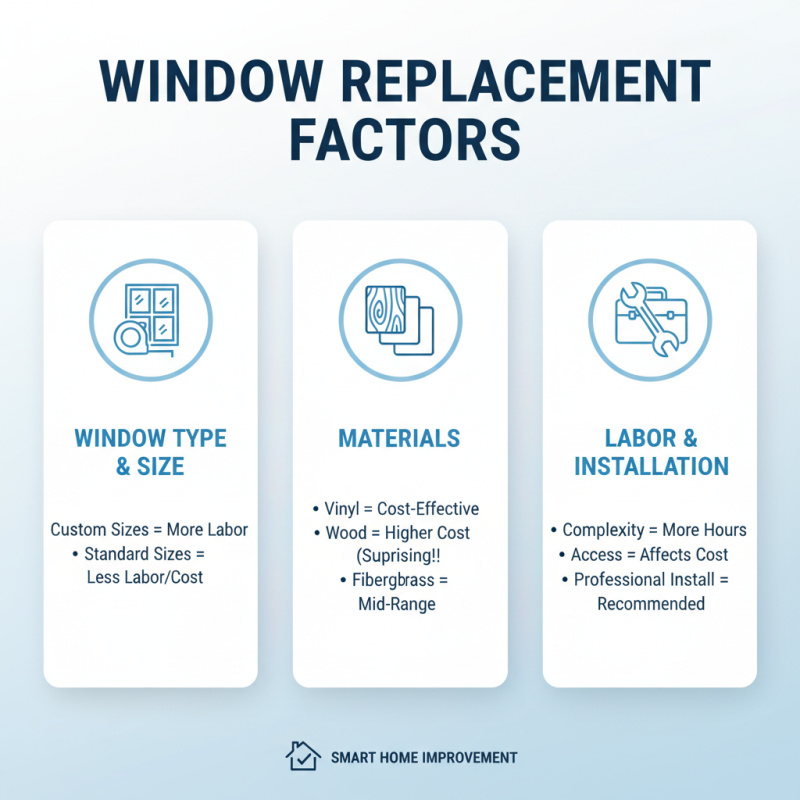
When considering window installation or replacement, various factors come into play. The type of windows you choose significantly impacts the overall cost. For example, custom-sized windows often require more labor than standard sizes. The materials also vary widely; vinyl is generally cheaper, while wood can cost significantly more. This difference can be surprising for many homeowners.
Labor costs can vary by region. Skilled workers may charge more due to experience, and the local market often impacts pricing. Additionally, the complexity of the installation plays a role. Installing windows on a second story or in hard-to-reach areas usually increases labor time and, consequently, the price.
Energy efficiency is another key factor. Windows with superior insulation often have a higher upfront cost but can lead to savings over time. It might be easy to overlook the long-term benefits when focusing on short-term expenses. Consider also that unexpected issues can arise during installation. Uneven frames or outdated structures may require more investment in repairs. These considerations make it essential to plan ahead and consult professionals.
Comparative Analysis of Window Materials and Their Impact on Pricing
When it comes to window pricing, material plays a crucial role. Common materials include vinyl, wood, and aluminum. Each has its own price range and durability. Vinyl windows are often the most cost-effective. They offer good insulation and require less maintenance. However, they may not always blend in with every home's style. Wood windows, while beautiful, can be expensive. They need regular upkeep to prevent rot.
Aluminum windows are lightweight and resistant to corrosion. They provide a modern look but can be less energy-efficient. The cost of installation varies as well. Some materials might require skilled labor, adding to expenses. The overall aesthetic you desire should influence your material choice. Custom designs can drive up costs unexpectedly.
Consider the long-term value too. Cheaper options might save money initially but could lead to higher energy bills. Think about your climate. Some materials perform better in specific weather conditions. This decision impacts both comfort and future renovation budgets. Reflecting on all these factors is essential for making an informed choice.
Evaluating Energy Efficiency Incentives and Rebates for Window Upgrades
When considering window upgrades, energy efficiency plays a crucial role. Many homeowners overlook available incentives. Understanding these can significantly lower costs. Federal or local programs often offer rebates for energy-efficient windows. Research these options before starting your project.
Also, energy-efficient windows can cut your utility bills. They reduce heat loss in winter and keep homes cooler in summer. However, not all windows meet high standards. It’s important to check labels and ensure they align with your area’s requirements.
Taking time to evaluate options can feel overwhelming. Homeowners may worry about initial costs. But the long-term savings often outweigh these concerns. Share experiences with neighbors or online communities. They can provide insights on which incentives worked best for them. Evaluate what's needed rather than focusing solely on aesthetic choices.
Assessing Labor Costs in Window Installation: What to Expect
When considering window installation, labor costs play a significant role. According to industry reports, labor accounts for about 30-50% of the total window replacement cost. This percentage can vary based on location, window type, and complexity of the job. For instance, custom windows may require additional time and expertise, leading to higher labor charges.
The average hourly rate for window installers ranges from $25 to $70, depending on their experience and the region. A typical installation may take around 2 to 4 hours per window. Therefore, if you have ten windows, labor alone might cost between $500 and $2,800. This can quickly add up, highlighting the importance of obtaining precise quotes.
Many homeowners overlook the time required for proper installation. Rushing can lead to poor results. Additionally, working with unqualified laborers to save costs may result in issues down the line. Understanding these costs can help you make informed decisions and avoid budget overruns in your renovation project.
Understanding Window Pricing for Your Home Renovation Needs
This chart illustrates the estimated labor costs associated with window installation based on different types of windows.





Share On: