
What Are the 2026 Best Exterior Windows for Global Buyers?
Choosing the right exterior windows in 2026 requires more than comparing attractive frames and advertised prices. Global buyers face different climates, building traditions, energy targets, and installation practices. A window that performs well in a cold Scandinavian home may struggle in a humid coastal apartment. Regional conditions matter.
This guide examines the leading exterior windows for international projects through practical performance criteria. These include thermal insulation, solar control, air tightness, water resistance, acoustic comfort, security, maintenance, and service life. We also consider frame materials, glazing systems, hardware quality, and installation details. A well-designed window can still fail when the surrounding sealant, flashing, or drainage is poorly installed.
There is no universal winner. That point deserves attention. Manufacturer claims can sound convincing, yet laboratory ratings may not reflect real buildings. Local professionals should verify applicable codes, wind exposure, climate data, and warranty terms before purchase. Buyers should request independently tested specifications and clear after-sales support. Supplier transparency is equally important.
Our comparisons draw on established building-science principles, published performance data, and common installation experience across residential and commercial settings. We will highlight strengths, compromises, and situations where a premium product may not justify its cost. Some recommendations may change as technologies improve. That uncertainty is honest, not a weakness. The best choice balances measurable performance with local expertise, reliable workmanship, and long-term practicality. Expect clear guidance, but question simple rankings. Performance depends on the whole opening, not the frame alone.
What Defines the Best Exterior Windows for Global Buyers in 2026?
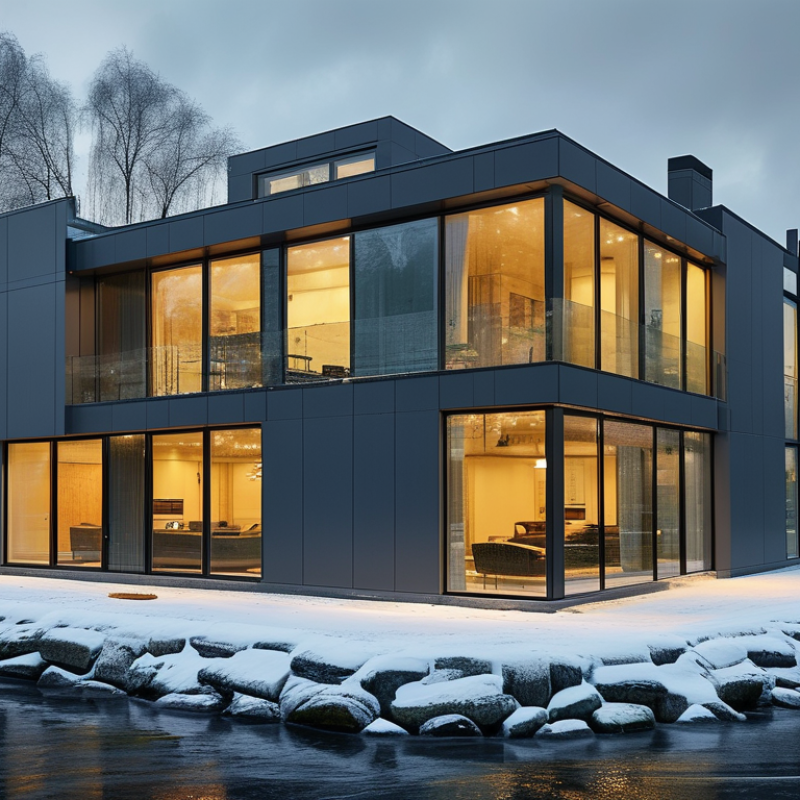
The best exterior windows for global buyers in 2026 are defined by balanced performance, not appearance alone. Climate should guide the decision. A window for humid coastal weather needs strong water resistance and corrosion-conscious hardware. In colder regions, low thermal transmission and carefully sealed frames help reduce indoor heat loss.
Glass selection also matters. Low-emissivity coatings can improve insulation, while solar-control glass may limit overheating in sunny rooms. However, darker glass is not automatically better. It can reduce daylight and alter interior colors. Buyers should review tested U-values, solar heat gain, air leakage, and water resistance. These figures are more useful than vague claims such as “energy-saving.”
Tips: Check local building requirements before ordering. Ask for test reports, installation tolerances, warranty conditions, and replacement-part access. Inspect a sample frame if possible. A beautiful window can still fail when drainage paths are poorly designed or installation is rushed. Experienced installers should explain flashing, sill support, and perimeter sealing in clear language. No window is perfect. Even high-performing products need regular cleaning, hardware checks, and honest maintenance planning. Seasonal expansion, dust, and strong sunlight may reveal weaknesses that showroom displays hide.
What Are the 2026 Best Exterior Windows for Global Buyers?
What Defines the Best Exterior Windows for Global Buyers in 2026?
| Window System | Typical Whole-Window U-Value (W/m²·K; lower is better) |
Typical Solar Heat Gain Coefficient (SHGC; lower reduces solar gain) |
Typical Acoustic Rating (STC/Rw range) |
Climate Suitability | Expected Maintenance | Key Advantages | Main Limitations | Best Choice When... |
|---|---|---|---|---|---|---|---|---|
| Multi-chamber uPVC with Low-E Double or Triple Glazing | 0.8–1.6 | 0.25–0.55 | 30–42 | Cold, temperate, humid, and moderate hot climates when the glazing is correctly selected. | Low | Strong thermal insulation, good airtightness potential, corrosion resistance, and competitive total cost. | Wider frames can reduce visible glass area; color stability and expansion must be considered in intense solar exposure. | Energy efficiency and value are priorities, with moderate-to-large standard opening sizes. |
| Thermally Broken Aluminum with Low-E Double or Triple Glazing | 1.0–2.0 | 0.25–0.60 | 30–44 | Hot, coastal, windy, temperate, and high-rise applications, provided the thermal break and finish are suitable. | Low | High structural strength, slim sightlines, large opening capability, and good resistance to moisture and ultraviolet exposure. | Usually conducts more heat than insulated polymer or composite frames; untreated or poorly finished aluminum can corrode in aggressive coastal conditions. | Large panes, narrow sightlines, durability, and architectural appearance are important. |
| Fiberglass with Low-E Double or Triple Glazing | 0.8–1.5 | 0.25–0.55 | 30–43 | Cold, temperate, hot, and high-solar climates with significant seasonal temperature changes. | Low | Low thermal expansion, good dimensional stability, strong insulation, and resistance to moisture and ultraviolet exposure. | Availability, local fabrication capacity, and initial cost can vary substantially by market. | Long-term dimensional stability and low thermal movement are more important than the lowest purchase price. |
| Timber with Exterior Aluminum Cladding | 0.7–1.4 | 0.25–0.55 | 32–45 | Cold, temperate, and high-end residential climates; suitable for many humid areas when detailing and drainage are well designed. | Moderate | Excellent thermal performance, natural interior appearance, strong acoustic potential, and durable exterior protection. | Higher cost; interior timber may still require periodic inspection and occasional refinishing depending on humidity and exposure. | Premium appearance, indoor comfort, and a lower operational energy demand justify the investment. |
| Composite Frame with Insulated Core | 0.8–1.5 | 0.25–0.55 | 30–44 | Cold, temperate, hot, and mixed climates, subject to verified product testing. | Low to moderate | Can combine structural strength, thermal insulation, moisture resistance, and flexible interior or exterior finishes. | “Composite” is not a uniform technical category; performance must be confirmed through project-specific test documentation. | A balanced combination of insulation, strength, weather resistance, and design flexibility is required. |
| High-Performance Triple-Glazed Tilt-and-Turn System | 0.6–1.0 | 0.20–0.50 | 35–46 | Very cold, cold, temperate, and noise-sensitive locations; solar-control glass may be needed in hot climates. | Low to moderate | Very low heat transfer, strong airtightness potential, flexible ventilation, and high acoustic performance when properly specified. | Heavier sash weight, higher hardware requirements, greater purchase cost, and possible overheating if solar control is not designed correctly. | Heating energy reduction, airtight construction, and premium indoor comfort are the main goals. |
| Impact-Resistant Laminated-Glass Window | 1.0–2.1 | 0.25–0.60 | 32–45 | Hurricane-prone, cyclone-prone, high-wind, security-sensitive, and noise-sensitive regions, subject to local certification. | Low | Improved resistance to windborne debris, enhanced security, and reduced glass-failure risk compared with ordinary annealed glazing. | Heavier and more expensive; the complete assembly, anchorage, and installation must meet the governing regional requirements. | Storm protection or enhanced security is more important than achieving the lowest U-value. |
Related Posts
-
How to Clean Exterior Windows for a Streak-Free Shine?
-
How to Choose the Best Exterior Windows for Your Home?
-
How to Choose the Best Exterior Windows for Your Home?
-
2025 Top 10 Exterior Storm Windows: Best Choices for Energy Efficiency
-

How to Choose the Best Windows Siding and Doors for Your Home in 2025
-
2026 How to Guide for Window and Door Installation Simplified?
Share On: