Blog

What Are Aluminum Storm Windows and Why Buy Them?

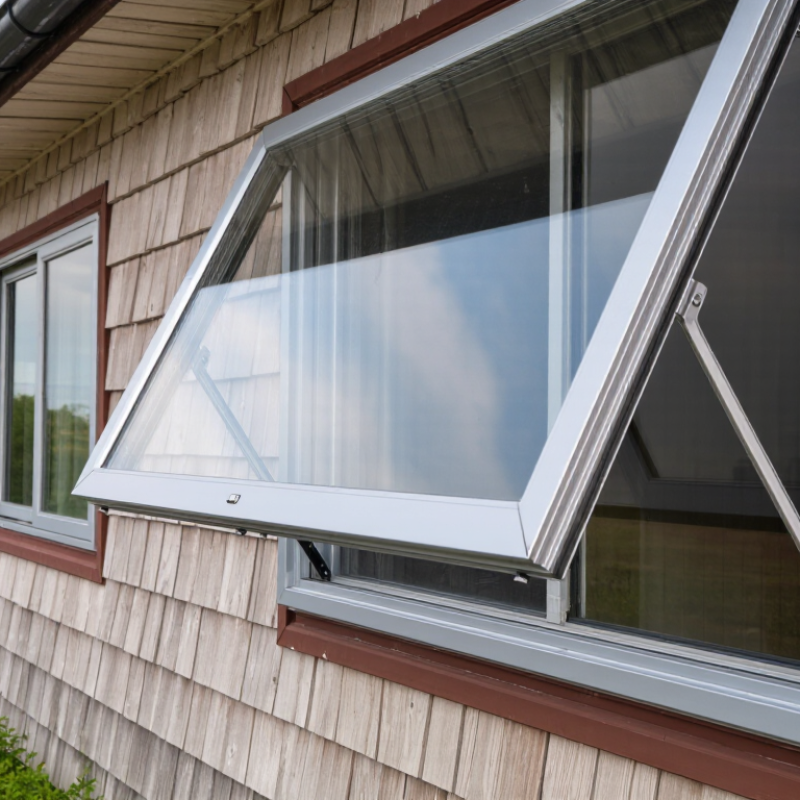
Aluminum storm windows are secondary window units installed over existing glass or window frames. They create an additional barrier against wind, rain, dust, and outdoor temperature changes. Many models use lightweight aluminum frames with glass or clear acrylic panels. Some include screens for warmer months.

In older homes, these windows can reduce noticeable drafts around loose sashes and aging glazing putty. A properly fitted unit may also soften street noise and protect original windows from harsh weather. You may notice less cold air near a bedroom window on a windy evening. That practical difference matters.

Small details matter.

Experienced installers check the opening, drainage paths, frame condition, and fastening points before recommending a product. Aluminum storm windows are often durable, low-maintenance, and easier to handle than heavier alternatives. However, they do not repair rotten wood, failed seals, or serious air leakage around the main window. That distinction is easy to miss.

A careful buying decision should consider the window’s dimensions, ventilation needs, local climate, and appearance. Look for clear installation instructions, replaceable components, secure latches, and reliable manufacturer information. Ask whether the design supports interior or exterior installation. Confirm that water can drain safely instead of collecting against the sill.

Energy savings can vary.

The result depends on existing windows, installation quality, shading, and household heating habits. Aluminum storm windows may be a sensible upgrade, but they are not a universal cure. This guide examines how they work, where they perform well, and when another window solution may make more sense.
What Are Aluminum Storm Windows and Why Buy Them?

Definition and Basic Structure of Aluminum Storm Windows

Aluminum storm windows are secondary window units installed over existing windows. They add a protective layer without removing the primary sash. Their aluminum frame is lightweight, rigid, and resistant to ordinary outdoor moisture. The frame usually holds glass or clear plastic panels. Some models use a fixed panel, while others include sliding screens or removable inserts.

The basic structure includes side rails, a head section, and a sill channel. These parts create the perimeter frame. Glazing sits inside the frame with glazing clips, rubber seals, or flexible gaskets. Small weep holes allow trapped rainwater to drain outward. Without clear drainage, water may collect near the lower edge and stain surrounding materials.

Installation quality matters as much as the window itself. A qualified installer checks the opening, leaves space for movement, and fastens the frame without crushing the seal. The storm unit should sit evenly over the existing window. Gaps can admit wind and reduce insulation. Too much pressure can bend the aluminum.

The frame is not flawless. It can dent, conduct heat, and develop condensation in humid conditions. Dust also gathers in the tracks. A careful inspection should examine corners, fasteners, seals, and drainage holes before purchase. In practice, a simple, well-fitted structure often performs better than a complicated one installed poorly.

What Are Aluminum Storm Windows?

Aluminum storm windows are secondary window panels installed outside or inside an existing window. Their basic structure typically includes an aluminum perimeter frame, glass or acrylic glazing, and a spacer or air layer that adds separation from the primary window.

How to read the chart: Aluminum is strong, lightweight, corrosion-resistant, and easy to form into narrow frames, but it conducts heat much more readily than glass or still air. The glazing and air space help reduce heat transfer, while the frame provides structural support and enables practical installation, removal, and ventilation features.

How Aluminum Storm Windows Work

Aluminum storm windows work by adding a secondary window layer outside or inside the existing window. The aluminum frame holds glass or a removable screen in place. This creates a narrow air space between the two layers. That trapped air slows heat transfer and reduces drafts around older window units.

During winter, the closed storm panel helps keep indoor heat near the room. In summer, a screened panel can improve ventilation while blocking insects. The frame usually sits in side tracks or fastening clips.

Small drainage openings allow rainwater to escape, which helps protect the sill from moisture damage. A tight fit matters. Gaps can reduce energy savings and allow wind-driven rain inside.

Installation should begin with accurate measurements at several points. Older openings are not always square. A few millimeters can affect operation. Check that the panel slides smoothly, seals evenly, and can be removed safely for cleaning. Aluminum is lightweight, durable, and resistant to rot, but it can conduct heat quickly. Poorly designed frames may develop condensation during cold weather. They also cannot repair rotten wood or serious wall leaks.

Storm windows are practical, not magical. Their performance depends on existing window condition, glass quality, installation, and local climate. A careful inspection before purchase often prevents an expensive mismatch.

Types and Installation Options

What Are Aluminum Storm Windows and Why Buy Them?

Types and Installation Options

Aluminum storm windows add a protective layer outside or inside existing windows. They can reduce drafts, rain entry, and winter heat loss. Their slim frames also resist corrosion and require limited maintenance when properly finished.

The main types include exterior, interior, fixed, two-track, and triple-track models. Exterior units shield the original window from wind-driven rain and flying debris. Interior panels work well in apartments or historic homes where exterior changes are restricted. Fixed windows provide simple seasonal protection. Two-track designs allow one sash to slide, while triple-track models offer better ventilation flexibility. Choose according to window shape, climate, and cleaning habits.

Installation options vary with the frame condition. Surface-mounted units attach over the existing trim and usually install quickly. Recessed systems fit into an opening for a cleaner appearance, but they demand accurate measurements. Replacement-style installations may require removing damaged trim or old frames. A professional installer should check squareness, drainage paths, fasteners, and sealant compatibility. Poorly sealed corners can trap moisture. DIY installation is possible for standard openings, yet small errors can create rattling or air leaks. Measure twice. A practical compromise remains: a tighter seal may improve efficiency, but it can make seasonal removal harder. Consider access, ventilation, and future maintenance before selecting the frame and mounting method.

Key Benefits for Homes and Buildings

What Are Aluminum Storm Windows and Why Buy Them?

Aluminum storm windows are secondary window panels installed outside or inside existing windows. They add a protective layer without requiring full window replacement. A typical unit includes a lightweight aluminum frame, glass or screen panels, and adjustable tracks. Installation experience shows that accurate measurements matter more than expensive features. A small gap can reduce comfort and allow drafts.

The main benefit is improved energy performance. The added air space helps slow heat loss during cold weather. In summer, storm windows can reduce heat entering through older glass. They also soften outdoor noise, limit rain exposure, and protect original window frames from wind-driven moisture.

Homes with historic wood windows may gain practical protection while preserving their appearance. Buildings with many windows may also reduce maintenance costs over time.

Aluminum frames resist warping and usually need little care. Wiping the tracks and checking seals each season can prevent sticking and air leakage. They are often more affordable than replacing every window. Still, they are not a perfect solution. Poor installation can trap moisture, and damaged glass requires prompt attention. I have found that the best results come from evaluating drainage, frame condition, and local weather together. A storm window should support the building, not hide problems that need repair.

Factors to Consider Before Buying

What Are Aluminum Storm Windows and Why Buy Them?

Factors to Consider Before Buying

Aluminum storm windows are secondary panels fitted outside or inside existing windows. They add a protective air space without replacing the main frame. In older homes, this extra layer can reduce drafts, road noise, and winter heat loss. A tight-fitting panel may also protect fragile glass from windblown debris and driving rain.

Measure carefully before ordering. Record the width and height at several points, because older openings are rarely perfectly square. Check the frame depth, drainage paths, and available mounting space. A small error can create rattling, trapped moisture, or difficult removal. It happened in one renovation I reviewed: the measurements looked correct, but a bowed sill prevented a proper seal.

Consider the panel type, glass thickness, screen options, and ease of cleaning. Low-emissivity glass can improve insulation, but its value depends on the existing window and local climate. Aluminum frames are durable and light, yet they can conduct cold quickly without a thermal break. Ask how replacement parts are handled and whether fasteners resist corrosion. Examine the wall condition too. Loose masonry or rotted wood may need repair before installation. A lower price is not always a lower long-term cost. Think about maintenance. Then question the assumptions.

What Are Aluminum Storm Windows and Why Buy Them? - Factors to Consider Before Buying

Factor Typical Aluminum Storm Window Characteristic Potential Benefits Limitations or Trade-Offs What to Check Before Buying
Frame Material Lightweight aluminum frame designed to be installed over or alongside an existing window. Usually easier to handle than heavier frame materials and suitable for many residential applications. Aluminum conducts heat more readily than wood, vinyl, or composite materials, which can reduce frame-level thermal performance. Look for a rigid frame, corrosion-resistant finish, secure corners, and compatible mounting hardware.
Primary Purpose A secondary window installed outside or inside a primary window to add protection and an extra air space. Can reduce drafts, airborne dust, rain entry, and exposure of the primary window to everyday weather. It is not a substitute for a properly sealed, structurally sound primary window or for specialized hurricane protection. Confirm whether the product is intended for seasonal use, permanent installation, or a specific weather exposure.
Glazing Options Common configurations include single-glazed glass, clear acrylic, or other transparent inserts, depending on the design. Provides an additional barrier while allowing daylight and visibility. Single glazing generally offers less insulation than double glazing, and plastic inserts may scratch more easily than glass. Check glazing thickness, safety-glass requirements, clarity, replaceability, and resistance to scratching.
Energy Efficiency The added pane and air space can improve the overall performance of an existing window when the assembly is properly sealed. May help reduce heat loss in cold weather and limit unwanted heat gain in warm weather. Performance varies significantly with air leakage, glass type, frame design, orientation, and installation quality. Ask for U-factor, solar heat gain information where available, weather-stripping details, and installation instructions.
Weather Resistance The frame and glazing create an additional layer against wind-driven rain and seasonal weather. Can help protect older primary windows and reduce water exposure around the window opening. Poorly fitted panels, blocked weep holes, or damaged seals can trap moisture and contribute to deterioration. Verify that drainage paths and weep holes remain open and that the frame includes effective seals and flashing details.
Ventilation Many designs include sliding panels, removable screens, or combination storm-and-screen sections. Allows seasonal airflow and can support natural ventilation when the operating panels are open. Moving parts can wear over time, and ventilation depends on the panel layout and the condition of the existing window. Test locks, tracks, screens, and removable sections before installation.
Durability Aluminum is noncombustible and generally resistant to rot and insect damage. Can provide long service when protected from severe impact and maintained correctly. Dents, bent tracks, loose fasteners, and finish wear may affect operation and weather sealing. Inspect corners, tracks, fasteners, coatings, and any signs of galvanic corrosion near dissimilar metals.
Maintenance Routine care normally includes cleaning glazing, clearing tracks, checking seals, and inspecting drainage openings. Maintenance is generally straightforward and does not require painting the aluminum frame in normal conditions. Damaged weather-stripping, screens, rollers, or glazing may eventually need replacement. Check whether replacement parts are available and follow the recommended cleaning method for the glazing.
Installation Fit Available in standard and custom sizes, with surface-mounted, recessed, or other installation styles. A properly measured unit can improve sealing without replacing the entire primary window. An incorrect fit can cause air leakage, difficult operation, water intrusion, or damage to the window surround. Measure width, height, depth, squareness, and mounting surface at several points.
Security and Safety Adds a secondary physical barrier and may include latches or locking hardware. Can make casual entry more difficult and provide an additional layer of protection for the primary glazing. Standard storm windows are not automatically rated for forced entry, impact resistance, or extreme wind pressure. Look for independently tested safety or impact ratings when the location requires them.
Value Considerations Often considered when the existing windows are serviceable but need better weather protection or seasonal performance. May cost less and create less construction disruption than replacing otherwise functional primary windows. The value is limited if the existing window has severe rot, structural damage, persistent leakage, or failed glazing. Compare the full installed cost, expected service life, energy goals, repair needs, and local climate conditions.
Share by: