
10 Best Door and Window Contractors for Global Buyers
Choosing reliable door and window contractors is more than comparing catalogues or headline prices. For global buyers, each order must suit its climate, building design, transport route, and installation team. A window that performs well in a mild coastal region may struggle with extreme heat, heavy rain, or strong winds elsewhere.
The stakes are measurable. The 2023 Global Status Report for Buildings and Construction, published by the UN Environment Programme and GlobalABC, estimates that the sector accounted for 37% of global energy- and process-related carbon dioxide emissions in 2022. It also represented 34% of global energy demand. These figures underline why product performance matters. They do not, by themselves, prove that any single product will cut a building’s energy use.
This guide to 10 Best Door and Window Contractors for Global Buyers highlights firms for buyers to evaluate, not a universal ranking. Compare their project experience, material options, testing documentation, shipping capabilities, installation support, and after-sales service. Ask for references from projects with similar weather and building requirements. Check that performance claims match the specifications needed in your destination market.
Small details count. A frame sample, a clear warranty, and a documented delivery schedule can reveal more than polished marketing. Still, no shortlist replaces project-specific due diligence. Contractors may vary in local support, and some details are easy to overlook. Review the evidence before committing.
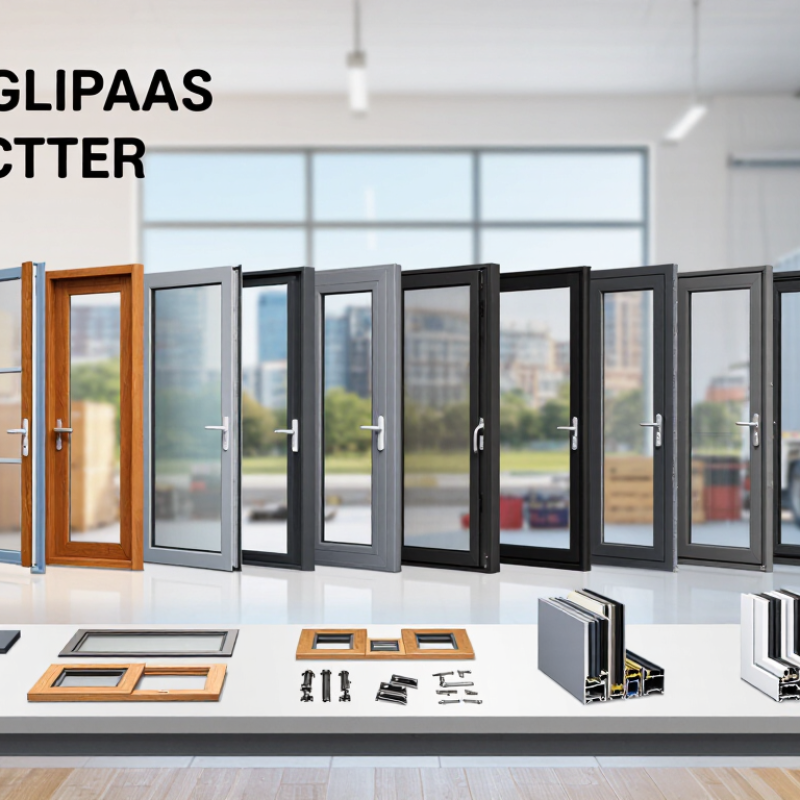
Door and Window Contractors: Core Services and Global Buyer Needs
Door and window contractors do more than supply frames. Global buyers need accurate site surveys, product selection, shop drawings, fabrication coordination, installation guidance, and after-sales support. A contractor should clarify frame material, glass build-up, opening direction, hardware, and finish before production. These details affect fit, security, maintenance, and replacement.
The 2023 Global Status Report for Buildings and Construction, published by UNEP and GlobalABC, estimates that buildings account for 32% of global energy use and 34% of energy-related carbon dioxide emissions. The U.S. Department of Energy says heat gain and loss through windows account for about 25–30% of residential heating and cooling energy use. That makes thermal performance more than a specification on paper. Buyers should compare whole-window U-factors and solar heat gain coefficients, then check that test conditions match the intended climate. Small gaps matter.
For cross-border projects, ask contractors for clear lead times, protective packing details, installation manuals, and written warranty terms. Confirm how they handle different site dimensions, local wind exposure, noise targets, and replacement parts. Drawings help, but they cannot capture every rough opening or installer decision. A pre-shipment review can catch mismatched hardware or glazing before containers leave the factory; still, inspection adds time and cost, a trade-off buyers should weigh rather than ignore.
10 Best Door and Window Contractors for Global Buyers - Door and Window Contractors: Core Services and Global Buyer Needs
A practical comparison of ten contractor profiles, not a ranking of named companies. Capabilities, certifications, shipping terms, and lead times vary by supplier and project; verify them before placing an order.
| No. | Contractor profile | Core services | Best suited for | Global buyer considerations | Documents and checks to request |
|---|---|---|---|---|---|
| 1 | Commercial aluminum window specialist | Project measurement, aluminum-frame fabrication, glazing coordination, delivery, and installation. | Office buildings, retail spaces, and other commercial projects. | Confirm frame finish, glass specification, wind-load design, installation scope, and compatibility with local codes. | Shop drawings, product data sheets, performance test reports, warranty terms, and installation method statement. |
| 2 | Residential window replacement contractor | Site survey, removal of existing units, replacement-window fitting, sealing, and finishing. | Housing renovations and multi-unit residential upgrades. | Clarify who handles disposal, opening repairs, interior trim, and after-installation service. | Measured opening schedule, itemized quotation, installation warranty, and applicable local approvals. |
| 3 | uPVC door and window fabricator-installer | Custom sizing, frame and sash assembly, hardware fitting, glazing, and installation. | Residential projects seeking low-maintenance framed units. | Check dimensions, color consistency, reinforcement details, drainage design, and climate suitability. | Profile and hardware specifications, glazing details, test reports, care instructions, and warranty conditions. |
| 4 | Timber window and door joinery contractor | Made-to-measure timber units, joinery detailing, finishing, glazing coordination, and fitting. | Custom homes, heritage renovations, and projects requiring specific wood finishes. | Agree on timber species, finish samples, moisture protection, maintenance needs, and import requirements. | Timber origin documentation where required, finish schedule, drawings, packing details, and care guidance. |
| 5 | Fire-rated door and frame contractor | Specification support, compliant door-set supply, frame and hardware coordination, and installation. | Commercial, institutional, and multi-residential buildings with fire-safety requirements. | Fire ratings and approved assemblies are jurisdiction-specific; confirm that the complete installed set matches project requirements. | Current test or certification evidence, labeling details, hardware schedule, installation records, and local code review. |
| 6 | Impact- and storm-resistant opening contractor | Project assessment, impact-rated window and door supply, anchoring design, and installation. | Projects in regions exposed to severe storms or windborne debris. | Ratings depend on the tested assembly and local exposure conditions; verify glass, frame, anchors, and installation details together. | Applicable test reports, design pressures, anchoring schedule, product labels, and site-specific calculations. |
| 7 | High-performance glazing and façade contractor | Glazing design coordination, curtain-wall or window installation, perimeter sealing, and testing support. | Large commercial projects with demanding thermal, acoustic, or weather-performance targets. | Coordinate interfaces with the building envelope team and confirm performance requirements before fabrication. | System drawings, glass build-up, calculations, mock-up or test plan, and quality-control documentation. |
| 8 | Automatic entrance and access-door contractor | Automatic entrance installation, controls and sensor setup, commissioning, and maintenance. | Retail, healthcare, transport, and other high-traffic facilities. | Confirm local electrical requirements, accessibility provisions, safety features, spare-parts availability, and service coverage. | Equipment specifications, safety documentation, commissioning report, maintenance plan, and response-time terms. |
| 9 | Historic-building restoration contractor | Condition surveys, repair or replica joinery, specialist glazing, and sensitive installation. | Protected buildings and renovations with heritage or conservation constraints. | Obtain approval for materials and appearance; allow time for surveys, samples, and conservation review. | Survey records, sample approvals, material schedule, conservation permissions, and repair-versus-replacement scope. |
| 10 | Export-oriented door and window project integrator | Specification coordination, consolidated procurement, export packing, freight coordination, and installation planning. | Overseas buyers managing multi-product orders or projects across several sites. | Define Incoterms, payment milestones, shipping responsibility, customs documentation, packaging standards, and local installation support. | Commercial invoice, packing list, bill of lading or airway bill, origin documents where applicable, drawings, and agreed inspection records. |
Buyer tip: Compare contractors using the same opening schedule and performance specifications. Independently verify references, insurance, applicable code compliance, test evidence, payment terms, and after-sales support.
Related Posts
-

How to Choose Windows Siding and Doors for Any Home?
-
China Top Door and Window Contractors for Global Buyers
-

Exploring the Best Energy Efficient Windows and Doors for Your Home Makeover
-
Top Benefits of Harvey Windows and Doors for Your Home Renovation?
-

China Best Harvey Windows and Doors Review Guide Are They Worth the Investment?
-

2026 Best Integrity Windows and Doors for Global Buyers
Share On: