Wholesale buyers need more than a polished catalog photograph. They need dependable doors, stable specifications, and fewer surprises after delivery. This introduction examines aluminum storm doors through durability, ventilation, security hardware, packaging, and lifecycle value. It also considers supplier consistency across large purchase orders. Small details matter. A warped frame can delay an entire installation schedule.
Professional reports provide useful context, although storm-door data remains limited. The U.S. Department of Energy reports that windows account for roughly 25% to 30% of residential heating and cooling energy use. A storm door does not solve window-related losses. However, a well-fitted entry assembly may reduce drafts and protect the primary door. Grand View Research’s aluminum doors market analysis highlights corrosion resistance, low maintenance, and lightweight construction as major demand drivers. These benefits support wholesale interest, but they should not replace product testing.
Building-science expert Joseph Lstiburek has said, “Water management is the most important thing in building science.” His warning applies directly to storm-door selection. Buyers should inspect sill drainage, weatherstripping compression, hinge alignment, and finish performance. Ask suppliers for test methods and batch records. Do not accept vague claims such as “all-weather” without evidence.
The strongest buying decision balances price, field performance, replacement parts, and freight protection. Aluminum storm doors can arrive scratched, dented, or poorly labeled. That risk deserves attention. A practical evaluation may include sample units, salt-spray information, glass specifications, carton testing, and installation feedback. Some assumptions will still fail in real projects. That is why disciplined sampling matters before committing to wholesale volume.
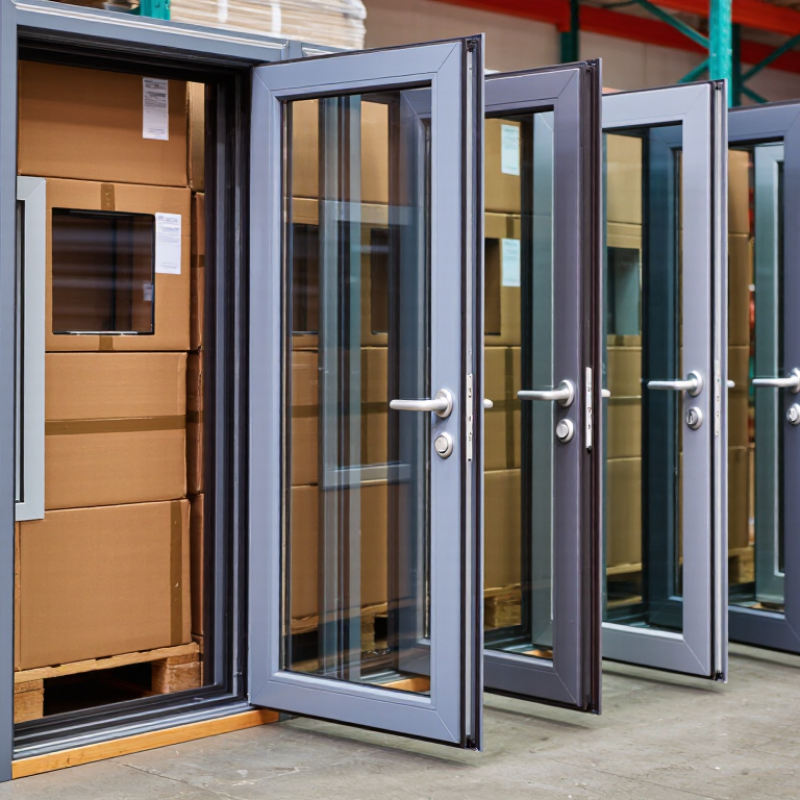
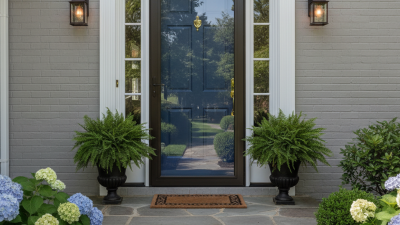
Aluminum storm doors are secondary exterior doors fitted outside the main entry door. They usually combine a lightweight aluminum frame with glass, a removable screen, hinges, and a bottom sweep. For wholesale buyers, the value is practical: aluminum resists moisture, handles frequent use, and needs less maintenance than many steel alternatives. Powder-coated surfaces also help protect the frame, although coating quality still matters.
The U.S. Department of Energy reports that low-emissivity storm-window systems can reduce annual heating and cooling costs by 12% to 33% against single-pane windows. This is not a guaranteed saving for every storm door. Still, it shows why better glazing can support energy-conscious projects. The U.S. Energy Information Administration’s 2020 Residential Energy Consumption Survey found that space heating and air conditioning use roughly half of household energy. Small envelope improvements can therefore matter.
Wholesale specifications should focus on measurable details. Check frame thickness, glazing type, air leakage, screen replacement, hinge strength, and adjustable sweeps. Tempered glass is useful in busy residential and commercial entrances. Corrosion-resistant fasteners are also worth requesting, especially in coastal regions. Aluminum is not magic. Thin frames may bend, and poor seals can create drafts after one season. A reliable supplier should provide test data, installation guidance, and consistent batch quality. That evidence makes bulk purchasing safer, even when the lowest quote looks attractive.
Aluminum has a density of approximately 2.70 g/cm³, compared with about 7.85 g/cm³ for carbon steel. For an equivalent volume of frame material, aluminum is substantially lighter, which can support easier handling, lower installation effort, and more efficient warehouse movement. Actual storm-door weight also depends on frame dimensions, glazing, hardware, and construction.
Wholesale buyers should judge aluminum storm doors by performance, not appearance alone. A rigid aluminum frame helps prevent warping during repeated use. Look for reinforced corners and secure hinge attachment points. These details matter when one building receives dozens of daily entries.
Weather protection deserves close inspection. A continuous seal can reduce drafts, rain entry, and street noise. Adjustable thresholds help doors fit uneven flooring. Tempered glass or durable screen panels add practical flexibility across changing seasons. Ask for measured air, water, and load performance when available. A glossy finish may look impressive, but coating thickness and surface preparation often matter more.
Hardware can decide long-term value. Corrosion-resistant hinges, closers, and fasteners support reliable operation in coastal or humid locations. Replacement parts should have clear specifications and stable availability. Packaging also matters. Protected corners and separated glass panels can reduce damage during pallet shipping. Request sample units before placing a large order. A sample may reveal stiff handles, weak seals, or confusing installation instructions. I have seen attractive products fail at these small points. Bulk pricing is useful, but inconsistent dimensions create expensive labor problems. Confirm door sizes, carton labels, pallet counts, and inspection procedures in writing. Some specifications still need questioning.
Top Aluminum Storm Doors for Wholesale Buyers?
Wholesale buyers should compare door styles by use, not appearance alone. Full-view doors maximize daylight and suit entryways with attractive views. Mid-view styles protect the lower panel from pets, carts, and repeated impacts. Retractable-screen designs improve ventilation, but their moving parts need careful inspection. Aluminum frames resist corrosion and reduce weight, while thicker extrusions usually improve rigidity. The International Aluminium Institute reports that recycled aluminum requires about 5% of primary aluminum’s energy.
Glass selection affects comfort, safety, and customer satisfaction. Clear glass offers the lowest initial cost, while low-emissivity glass can improve thermal performance. As a useful glazing benchmark, U.S. Department of Energy guidance reports 20–35% lower heat loss from low-e storm windows. It also reports potential heating and cooling savings of 10–30%. Door buyers should still request tested U-factor, solar heat gain coefficient, and air-leakage data. One label is not enough.
Screen mesh deserves equal attention. Fiberglass mesh is economical, while aluminum mesh offers stronger resistance against tearing and pets. Check spline depth and replacement availability before approving bulk orders. Hardware should include adjustable closers, corrosion-resistant hinges, secure latches, and standardized screws. NFRC rating procedures help compare fenestration performance, but they do not measure every installation problem. A beautiful door can still fail when the threshold is uneven. I would sample-test each shipment, because catalog specifications sometimes hide small inconsistencies. Bulk pricing is useful. Fewer callbacks are better.
| Door Style | Typical Aluminum Construction | Glass Configuration | Screen Configuration | Ventilation and Weather Performance | Hardware Package | Approximate Product Weight | Best Wholesale Use | Key Advantages | Points to Verify Before Ordering |
|---|---|---|---|---|---|---|---|---|---|
| Full-View | Extruded aluminum frame with full-height glazing channel and reinforced corner joints. Typical frame thickness is approximately 1.0–1.5 mm, depending on the section design. | Interchangeable full-length glass panel. Common options include clear tempered safety glass, low-emissivity glass, and insulated glass units. | Full-length seasonal screen insert, usually swapped with the glass panel. | Excellent daylight and clear visibility. Ventilation depends on whether the glass is replaced by a screen; limited ventilation when the glass panel is installed. | Surface-mounted handle set, deadbolt or latch lock, pneumatic closer, retainer clips, sweep, and installation fasteners. | Approximately 18–32 kg, depending on size, glass thickness, and insert type. | Premium residential projects, high-visibility entrances, and replacement programs. |
|
Confirm glass-retention method, panel storage requirements, corner-joint strength, shipping protection, and whether replacement inserts are available. |
| Mid-View | Aluminum frame with a fixed lower kick panel and removable or fixed upper glazing. The lower panel commonly uses formed or roll-formed aluminum. | Upper glass panel, often clear tempered glass or laminated safety glass. Some designs use a removable upper glass insert. | Upper ventilating screen or interchangeable upper screen insert. | Balanced visibility, ventilation, and protection. The lower solid section improves resistance to everyday impacts and dirt. | Handle and latch set, closer, adjustable sweep, hinge screws, strike plate, and optional keyed lock cylinder. | Approximately 16–28 kg, depending on dimensions and glazing. | Broad retail distribution, rental housing, and general replacement stock. |
|
Check the actual glass-to-screen opening, lower-panel impact resistance, handing options, and compatibility with common door openings. |
| High-View | Aluminum frame with a larger fixed lower panel and a relatively small upper glass or screen area. The design prioritizes structural protection over visibility. | Smaller upper tempered-glass panel, commonly fixed in place. | Small upper screen section or limited ventilation panel, depending on the model design. | Lower glass exposure reduces breakage risk and maintenance in busy entrances, but ventilation and outward visibility are more limited. | Basic handle and latch, closer, sweep, strike plate, and mounting hardware. Heavy-duty closers may be specified for frequent-use locations. | Approximately 15–26 kg, depending on panel construction and size. | Multi-family properties, service entrances, and high-traffic applications. |
|
Confirm lower-panel construction, resistance to denting, ventilation area, closer cycle rating, and the availability of replacement glass. |
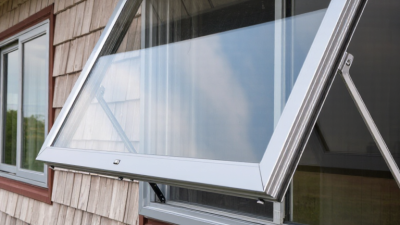
| Ventilating | Aluminum frame designed around adjustable glass and screen sections. Moving components require accurately aligned tracks, retainers, and seals. | Fixed upper glass with a movable or removable lower glass section, or a two-panel sliding glass arrangement. | Integrated sliding screen or interchangeable screen panel, depending on the design. | Strong day-to-day airflow control without removing the complete insert. Weather performance depends heavily on track seals, overlaps, and drainage. | Handle set, latch, closer, track hardware, pull tabs, weather seals, drainage openings, and replacement retainers. | Approximately 17–30 kg, depending on the number of panels and hardware. | Warm climates, kitchens, porches, and buyers prioritizing adjustable airflow. |
|
Inspect track smoothness, drainage design, screen tension, seal compression, panel replacement cost, and resistance to rattling. |
| Security Storm Door | Reinforced aluminum frame, mechanically fastened corners, reinforced lock-side stile, and a stronger hinge-side structure than standard light-duty models. | Tempered safety glass, laminated safety glass, or a smaller glass area protected by a grille. Glazing selection should match the required safety level. | Fixed or removable perforated metal screen, expanded-metal insert, or heavy-duty mesh panel. | High resistance to forced entry and accidental impact. Ventilation varies with the size and openness of the security screen. | Multi-point or reinforced latch option, deadbolt preparation, security hinges, closer, strike reinforcement, and tamper-resistant fasteners where specified. | Approximately 24–45 kg, depending on reinforcement and grille or mesh type. | Ground-floor apartments, detached homes, commercial back entrances, and high-risk locations. |
|
Verify independently tested performance, lock preparation, hinge security, fastener type, emergency egress requirements, and total installed weight. |
| Pet-Door Storm Door | Standard aluminum storm-door frame with a reinforced opening or factory-installed pet-door assembly. The opening should include adequate local frame support. | Full-view, mid-view, or high-view glass configuration. Tempered glass is commonly selected for safety glazing. | Screen insert with a pet-door opening or a removable lower screen section. | Provides convenient animal access, but the pet opening can reduce local weather sealing unless the flap and frame are properly designed. | Handle and latch, closer, adjustable sweep, pet flap, locking panel, and replacement flap hardware. | Approximately 18–32 kg, depending on door size and pet-door assembly. | Single-family housing, pet-friendly rental units, and specialty replacement channels. |
|
Confirm pet-door dimensions, flap durability, lockability, air leakage, water resistance, and whether the opening affects warranty coverage. |
| Retractable-Screen | Aluminum door frame with a cassette or roller housing that stores the screen. The housing and guide tracks require consistent alignment. | Large fixed glass area, generally clear tempered glass. The glass remains installed while the screen rolls into place when needed. | Built-in retractable fiberglass or polyester screen mesh stored in a side or top cassette. | Fast conversion between clear view and ventilation. Weather sealing depends on guide-track fit, brush seals, bottom sweep, and cassette design. | Handle and latch, roller cassette, guide tracks, screen tension system, closer, sweep, and adjustment components. | Approximately 19–34 kg, depending on the cassette and glass assembly. | Design-focused residential projects and buyers seeking easy screen operation. |
|
Evaluate screen replacement procedures, cassette durability, mesh repairability, track tolerance, wind resistance, and spare-part availability. |
Wholesale buyers should evaluate the supplier before comparing aluminum storm door prices. Request production photos, material specifications, test records, and recent shipment references. Experienced manufacturers should explain alloy grade, frame thickness, mesh or glass options, hinge strength, and coating performance. A low quote can hide thin frames, weak hardware, or inconsistent sizing. Ask how the supplier controls color, corner joints, and packaging during each production batch.
Pricing needs a clear structure. Compare the complete landed cost, including tooling, samples, packaging, freight, duties, and replacement parts. Confirm minimum order quantities and payment stages in writing. A dependable supplier should state lead times and describe what happens after a damaged delivery. Customization may include dimensions, opening direction, handle position, screen type, color, logo placement, and carton printing. However, every change can affect tooling, testing, or delivery schedules. I have seen buyers focus on a custom finish, then overlook installation tolerances. That mistake becomes expensive.
Order a pre-production sample. Measure the frame and door opening yourself. Test the latch, closer, screen fit, and packing protection. Keep an approval record with drawings and agreed specifications. Do not accept vague promises. Still, no evaluation is perfect; samples may not reveal long-term coating wear or seasonal expansion. Ask practical questions, document answers, and review the supplier again before repeating a large order.
Quality assessment should begin with the frame, not the catalog photograph. Check aluminum thickness, corner joints, surface coating, drainage holes, and hinge alignment. A rigid frame should resist twisting during a simple hand inspection. Look closely at the screen or glass panel edges. Uneven seals often reveal rushed assembly. Powder-coated surfaces should appear consistent, without bubbles, thin spots, or sharp exposed edges.
Installation requirements can create hidden costs. Measure the opening width at the top, middle, and bottom. Record the height, sill condition, hinge side, and available mounting depth. Some doorways need shims, extension pieces, or a stronger closer. Confirm whether installers receive templates and clear hardware instructions. A small mismatch can delay an entire shipment. I have seen buyers focus on unit price, then overlook labor and replacement hardware. That decision rarely stays cheap.
Warranty review requires more than checking the warranty length. Ask which parts are covered, who pays freight, and whether coating, screens, closers, and glass have separate terms. Request written procedures for damaged deliveries, missing components, and repeated failures. After-sales support should include response times, installation guidance, spare-part availability, and clear claim documentation. Keep sample doors in active use before placing a large order. Field testing may expose rattling panels or weak latches that factory photos hide. That extra caution is valuable, although it can slow purchasing decisions.
476 Main Street - Route 28
Dennisport, MA 02639
Share On: