Blog

China Top 10 Storm Window Manufacturers for Global Buyers

Storm windows can help reduce drafts, protect existing windows, and improve indoor comfort in demanding climates. For global buyers, choosing a supplier involves more than comparing prices or product photos. Frame materials, glazing options, seals, hardware, and installation details all affect performance. Small details matter. A poorly fitted corner or uneven gasket can undermine an otherwise solid unit.

China’s window industry includes manufacturers with different product ranges, production capacities, and export experience. This guide introduces ten companies for buyers seeking storm windows and related solutions. It is a starting point, not a substitute for supplier checks. Ask for current product specifications, clear drawings, and test reports that match the exact model under consideration. Where possible, review samples and confirm how dimensions, finishes, packaging, and replacement parts will be handled. A polished brochure is useful, but it cannot show every production issue.

Buyers should also compare communication, stated lead times, quality-control procedures, and experience shipping to their destination. Requirements for energy performance, safety, and building use can vary by market, so confirm applicable standards with qualified local professionals before ordering. No supplier is perfect. Even experienced teams can misunderstand a specification, especially across languages or measurement systems. Written approvals and a documented inspection plan help reduce that risk. The companies profiled here offer a practical shortlist for further research, while final selection should depend on verified evidence, project needs, and direct discussions with each manufacturer.
China Top 10 Storm Window Manufacturers for Global Buyers

What Storm Windows Are and How They Protect Buildings

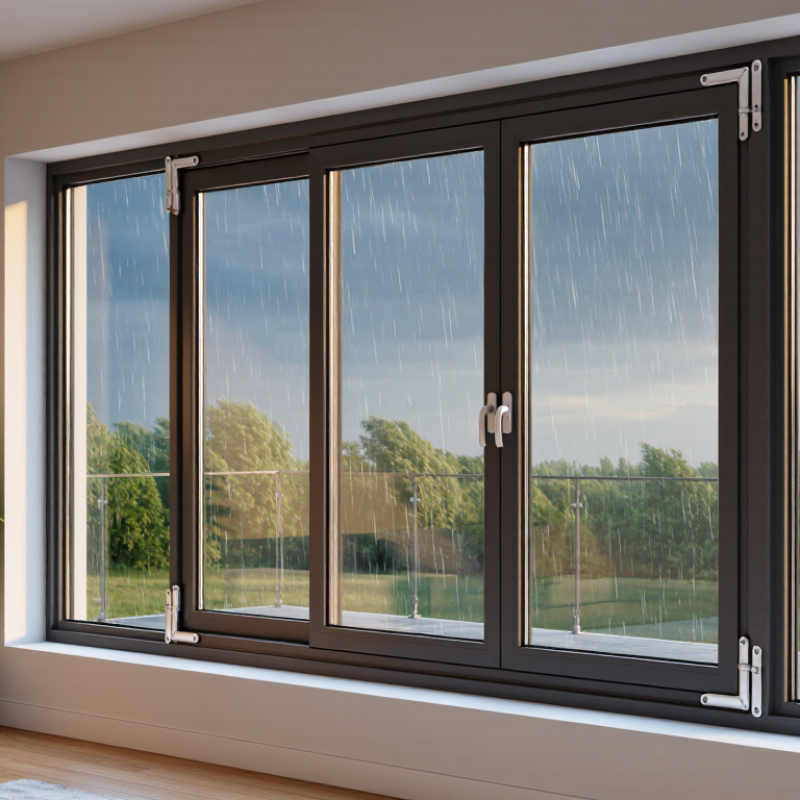
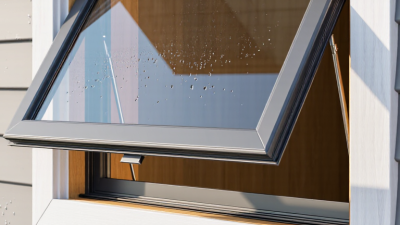
Storm windows are secondary glazing panels fitted over or inside an existing window. The added layer creates a still-air space, helping slow heat transfer and reduce drafts. During a storm, a well-fitted unit can also limit wind-driven rain and protect the original sash from weather exposure. It is not automatically impact-rated protection. That distinction matters.

The U.S. Department of Energy’s Energy Saver guidance reports that low-emissivity storm windows can reduce heating and cooling costs by about 10% to 30%, depending on the home and conditions. The same guidance highlights reduced air leakage as a benefit. In practical terms, that may mean less cold air near a sill and fewer rattling panes on a windy night. Results vary. Installation quality, frame condition, and local climate all affect performance, so the savings figure is not a promise for every building.

Tips: Check the existing frame for rot, gaps, or loose hardware before measuring. Choose a unit that allows drainage and does not trap moisture against the original window. Ask whether the product is designed for ordinary weather protection or tested for impact resistance. A small measurement error can leave a noticeable gap. The details deserve a second look.
How Storm Windows Help Protect Buildings

Potential annual heating and cooling cost savings from low-emissivity storm windows

Storm windows add a layer of protection that can reduce drafts and heat transfer through existing windows. The 10–30% figure is a potential range, not a guarantee; actual savings depend on the building, climate, and existing windows.
Source: U.S. Department of Energy, Storm Windows.

How to Evaluate Chinese Storm Window Manufacturers

Evaluating Chinese storm window manufacturers starts with performance evidence, not catalog photography. Ask which testing laboratory assessed the exact frame, glass, and hardware combination. Request dated reports for air leakage, water penetration, and structural pressure, then match the model numbers carefully. A report for a similar product is not enough. Check frame material, corner joints, glazing seals, drainage paths, and whether worn components can be replaced. Small details matter.

Review production controls as well as product claims. Ask how the factory checks frame dimensions, coating thickness, and glass fit during production. Compare a physical sample with its approved drawings, and note any gaps or rough sealant. One sample cannot prove every production run will match. Request references for comparable export projects, while recognizing that references alone do not establish performance. Clarify packaging, lead times, inspection points, and responsibility for resolving defects in writing. Test communication with a specific technical question; clear replies should identify measurements, tolerances, and supporting documents. If answers stay vague, pause. A polished presentation can be persuasive, but it is not a substitute for verifiable records. Evaluation takes time, and some uncertainty remains.

Profiles of 10 Leading Storm Window Manufacturers in China

China’s storm-window sector includes manufacturers with different strengths, from thermally broken aluminum frames to low-maintenance vinyl systems. A useful set of ten profiles might cover suppliers focused on retrofit windows, custom shapes, coastal corrosion resistance, noise reduction, large openings, insulated glazing, steel-look designs, project production, export packaging, and made-to-order sizing. These categories help buyers compare capabilities without assuming every factory serves the same projects.

Look beyond product photos. Ask each manufacturer for frame-section drawings, glass specifications, hardware details, and test reports relevant to the proposed configuration. Request a sample corner or operating unit when practical; it can reveal gasket fit and finish quality. A polished catalog is not proof of consistent production. I would also check how clearly a supplier explains lead times, inspection steps, and replacement-part support. Some details are easy to overlook.

Tips: Compare the same opening size and glass build across quotations. Confirm whether installation accessories and packaging are included. Ask how the manufacturer handles dimensional changes after approval. A small mismatch can become an expensive site problem.

Comparing Product Types, Materials, Certifications, and Capabilities

Storm windows differ by placement and operation. Exterior units face rain and wind; interior panels add a second air barrier from inside. Fixed panels suit little-used openings, while operable sashes preserve ventilation. Small details matter: check frame depth, drainage paths, seals, and whether latches remain reachable after installation.

Frame materials shape maintenance and performance. Aluminum is light and durable, but can conduct heat; thermal breaks help limit that transfer. Vinyl resists moisture and needs little upkeep, while wood can suit older frames but requires more care. The U.S. Department of Energy says low-emissivity storm windows can reduce heating and cooling costs by 10%–30%. Actual savings vary with climate, existing windows, and installation. AERC ratings can help compare energy performance. Still, a rating is not a guarantee of comfort.

For global buyers, request documented tests and certifications relevant to the destination market. Ask for air-leakage, water-resistance, and structural test results, plus clear U-factor and solar-heat-gain data where applicable. Check how the manufacturer handles custom dimensions, hardware options, replacement parts, and packaging for shipment. A polished brochure is not enough. I would also ask how results were measured; test conditions may differ from a real, drafty opening.

China Top 10 Storm Window Manufacturers for Global Buyers - Comparing Product Types, Materials, Certifications, and Capabilities

Comparison of ten anonymized supplier profiles, not a verified ranking of named companies. Product availability and certifications vary by manufacturer and model; buyers should verify current documentation directly with each supplier.

Supplier Profile Typical Storm-Window Types Common Materials Relevant Performance Evidence to Request Typical Capabilities to Compare Potential Buyer Fit
1. Aluminum exterior-panel specialist Exterior fixed, two-track, and three-track panels Aluminum frames; single glazing or insulating glass, depending on system Air leakage, water penetration, and structural test reports for the specific configuration; examples include ASTM E283, E331, and E330 test methods Frame-color options, screen integration, opening configuration, and dimensional tolerances Projects prioritizing durable, low-maintenance exterior frames
2. Vinyl-frame window-system supplier Exterior sliding and fixed storm-window assemblies PVC/vinyl frames; clear, tinted, or low-emissivity glazing options may be available Model-specific air, water, and structural test results; thermal ratings where applicable Welded-corner construction, color choices, hardware options, and matching profiles for replacement work Buyers seeking low-maintenance frames and standard residential configurations
3. Interior secondary-glazing supplier Interior magnetic, compression-fit, or framed secondary panels Aluminum or polymer frames; glass or clear plastic glazing, depending on design Thermal or acoustic test data for the complete assembly; air-leakage details and installation requirements Interior installation, removable panels, custom sizing, and compatibility with existing windows Retrofits where exterior appearance must remain substantially unchanged
4. Custom wood-frame storm-window maker Interior or exterior fixed and operable storm windows Wood frames; single glass or insulated glazing options Performance information for the tested size and glazing; coating, finish, and maintenance specifications Custom profiles, finish matching, traditional details, and made-to-order dimensions Heritage renovations and projects requiring wood or custom architectural details
5. Polycarbonate-panel supplier Lightweight removable or fixed storm panels Polycarbonate sheets with aluminum or polymer framing options Sheet thickness, light-transmission data, impact-related test evidence, and UV/weathering information for the specified product Cut-to-size panels, lightweight handling, fastening details, and replacement-sheet availability Applications where low weight and impact resistance are important considerations
6. Insulating-glass storm-window supplier Fixed or operable units using insulating glass units (IGUs) Aluminum, vinyl, or wood frames; sealed double-pane IGUs where specified IGU construction details, glass and spacer specifications, condensation guidance, and whole-product thermal data when available Glass make-up choices, spacer options, unit sizing, and documented seal or warranty terms Buyers comparing enhanced thermal performance against added weight and cost
7. Low-emissivity glazing-focused supplier Exterior or interior storm units with low-emissivity glass options Coated glass paired with aluminum, vinyl, or wood framing systems Glass coating position and product data; whole-window U-factor and solar heat-gain data, if rated Glazing selection, coating documentation, and coordination with frame and installation specifications Energy-conscious projects that need documented thermal properties
8. Commercial-project fabricator Large-format fixed panels and project-specific operable assemblies Typically aluminum framing with glass; material choices depend on the project specification Test reports for relevant sizes and configurations; applicable code and project-specific submittals Shop drawings, engineering coordination, batch production, and installation-detail support Commercial or institutional orders with formal submittal requirements
9. Replacement and retrofit specialist Custom-fit interior or exterior inserts and replacement panels Aluminum, vinyl, or wood frames; glass or plastic glazing by model Measurement tolerances, installation instructions, and performance evidence for the actual unit configuration Non-standard sizing, survey support, compatibility checks, and replacement-part availability Renovation buyers working with existing or irregular window openings
10. Export-oriented OEM/ODM supplier Product range may include sliding, fixed, removable, or custom storm-window systems Material and glazing combinations are buyer- and specification-dependent Request certificates and reports by product, market, and factory; verify scope, issuing body, validity, and tested model Private labeling, packaging coordination, export documentation, and production planning should be confirmed in writing Importers and distributors seeking configurable production or OEM supply

Standards and certification checks: Depending on the destination market and product scope, buyers may review the applicable AAMA/WDMA/CSA 101/I.S.2/A440 specification, NFRC-rated thermal data, and relevant ASTM test reports. These references are not interchangeable, and none should be treated as proof that a supplier or product is certified without current, scope-matched documentation. ISO 9001 relates to a quality-management system, not product performance.

What Global Buyers Should Check When Sourcing from China

China’s storm-window suppliers may offer similar catalog images, yet frame details can differ. Ask for drawings showing profile depth, drainage paths, gasket placement, and hardware. Check that the proposed glass and frame match your opening sizes and exposure conditions. Small gaps matter.

Request test reports for the exact configuration you plan to order, not just a similar product. Confirm test dimensions, glazing type, operating style, and tested performance. Compare the report with a production sample. A sample can reveal rough corners, uneven seals, or a latch that feels loose. It cannot prove every production unit will match, so agree on inspection points before manufacturing begins.

Discuss material grades, coating thickness, color consistency, and packaging for long-distance transport. Ask how the factory records defects and handles replacements; vague answers deserve follow-up. Verify lead times against tooling, sample approval, and shipping schedules. Keep specifications and revisions in writing. Measurements are sometimes imperfect, even on the buyer’s side, so confirm a physical opening survey before releasing final drawings. Clear communication helps, but it does not replace independent checks.

Share by: