Blog

Why Are Storm Doors Worth It?

A front door takes the first hit from wind, rain, dust, and daily use. A storm door adds a second layer outside it, helping shield the main entrance from weather and minor wear. On a wet, blustery day, that can mean fewer raindrops reaching the threshold and less exposure for painted or wooden surfaces. Small benefits, but noticeable.

Many storm doors also include interchangeable glass and screen panels. Glass can admit daylight while the main door stays closed; a screen can let fresh air pass through on mild days. The difference depends on your climate, doorway, and habits. In a drafty entry, a properly fitted door may reduce air leakage, though it cannot replace sound insulation or repair a damaged main door. Expectations matter.

The details matter, too. A loose frame, worn weatherstripping, or a closer that slams can make an otherwise useful door frustrating. Hardware matters. Before choosing a model, consider the entry’s measurements, swing direction, exposure to sun and wind, and the upkeep its finish requires. It is tempting to treat a storm door as an automatic upgrade, but the value is not identical for every home. A sheltered porch may need less protection than an exposed entrance. This guide looks at what storm doors can realistically offer, where their benefits are strongest, and what to check before buying. A careful fit makes a difference. So does an honest look at your home’s needs.
Why Are Storm Doors Worth It?

What a Storm Door Is and How It Fits into an Entryway

Why Are Storm Doors Worth It?

What a Storm Door Is and How It Fits into an Entryway

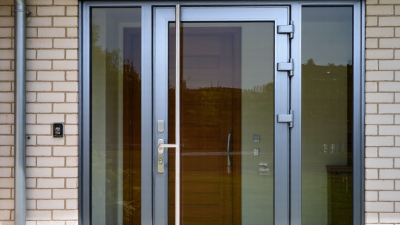
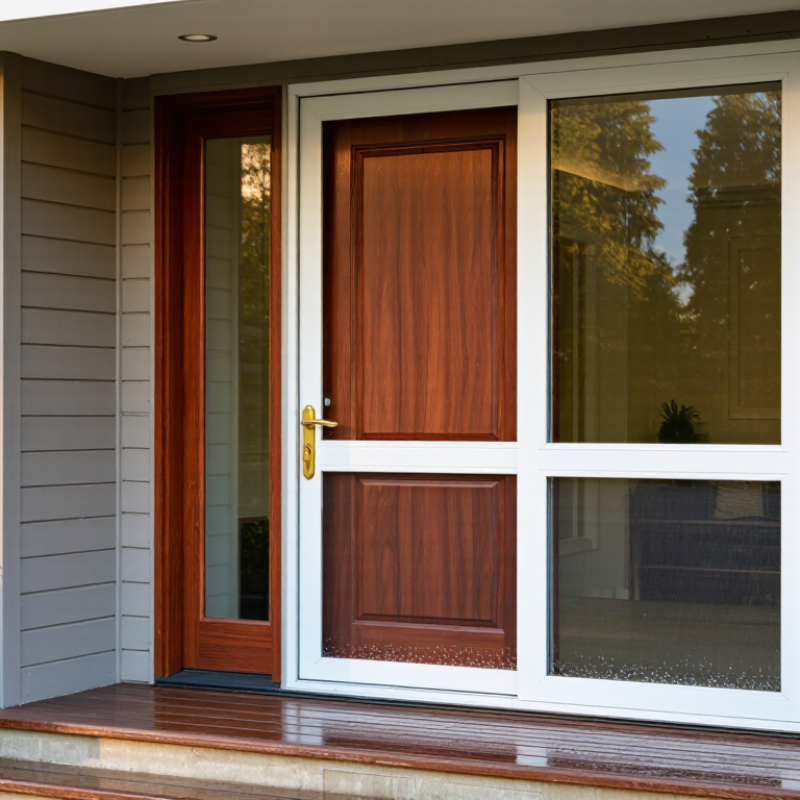
A storm door is a second door installed on the exterior side of an entry door. It usually has a sturdy frame and glass or screen panels, sometimes with panels that can be changed by season. The space between the two doors creates a small buffer against wind and rain. It can also let daylight into a dim entryway while the main door stays closed.

In an entryway, the storm door attaches to the outside trim and swings in front of the primary door. Its frame, hinges, handle, and closer all need room to work without hitting nearby walls, railings, or steps. Measure the opening carefully; a door that looks right in a catalog may not suit an older or uneven frame. The fit can be fussier than it looks. Check that the threshold does not block the main door and that the closer shuts the storm door smoothly, rather than slamming it. On a breezy day, a screen panel can improve airflow, though airflow depends on having another opening inside the home. Some entryways simply do not have enough clearance. In that case, the door may feel awkward, even when installed correctly.

How Storm Doors Protect the Main Door from Weather and Wear

A storm door creates a buffer between outdoor conditions and the main entry door. During a hard rain, it can take the first hit from windblown water and small debris. On sunny days, its panel can reduce direct exposure to ultraviolet light, which may slow fading or finish wear. The main door still faces temperature changes, but less rain lands directly on its surface. A modest difference, repeated over seasons.

That protection depends on fit and upkeep. A poorly sealed storm door may rattle in gusts, while gaps can let water reach the main door anyway. Moisture trapped between two doors can also be a problem, especially if the entry stays damp or poorly ventilated. Airflow matters. A screen panel can let a breeze pass through while keeping the main door closed, though it will not block rain like a solid panel. Check the closer, seals, and lower edge now and then; loose hardware can turn a useful barrier into a source of noise or wear. It is tempting to expect a storm door to solve every weather issue. It cannot. But when properly fitted and maintained, it helps shield the main door from repeated exposure.

How Storm Doors Support Ventilation, Daylight, and Energy Efficiency

A storm door with a screen panel can let a cool cross-breeze move through the entry while the main door stays open. On a mild afternoon, that can mean fresh air without leaving the doorway completely exposed. Choose a model with panels that switch between screen and glass, and check that it opens smoothly. Small details matter.

A tighter-fitting storm door can reduce drafts around an older entry door, though results depend on the door’s condition and installation. Space heating accounted for about 42% of U.S. household site energy use, according to the Energy Information Administration’s 2020 Residential Energy Consumption Survey. That figure is not a storm-door savings estimate. It does show why controlling heat loss deserves attention, especially near a chilly, leaky entrance.

Clear glass can bring daylight into a dim vestibule, making it easier to find keys or check the step outside. In direct sun, however, it may add glare or unwanted heat; a screen panel or shaded exposure can help. The U.S. Department of Energy notes that storm doors can help reduce air leakage. They cannot fix a warped door or failed weatherstripping, so inspect the main door’s seals before expecting a major energy improvement.

Why Are Storm Doors Worth It?

How storm-door configurations support ventilation, daylight, and an added weather buffer

Feature-presence guide: 1 means the feature is available in the stated configuration; 0 means it is not. A closed glazed panel admits daylight and adds a secondary layer. A screen panel allows airflow when the entry door is open. Actual performance varies by design and installation; these values are not measured energy savings.

Additional Benefits for Security, Comfort, and Home Maintenance

A storm door adds a second barrier between your home and the outdoors. Its sturdy frame and lock can make casual entry more difficult, though it should not replace a secure main door. A clear glass panel also lets you see visitors before opening the inner door. For homes with children or pets, that extra layer can offer a little peace of mind.

Storm doors can soften drafts and help keep rain, dust, and pollen away from the entry door. On mild days, an intact screen lets fresh air move through the house without leaving the doorway fully open. Less direct exposure may also protect paint and wood from weathering. Still, a storm door is not a cure-all. Poor sealing can reduce comfort, and sunny glass may trap heat near the entry. Check how the door swings and whether its closers work smoothly before choosing one.

Tips: Inspect the hinges, latch, screen, and weatherstripping each season. Wipe grit from the track so the door closes properly. If the entry gets strong afternoon sun, consider a ventilating panel or shade. Small checks help; they are easy to forget.

Costs, Limitations, and Factors That Affect Their Value

Why Are Storm Doors Worth It?

Storm doors can add a buffer against wind, rain, and drafts, but their value depends on the entry door underneath. A well-fitted door with intact weatherstripping may gain little. A leaky older door may benefit more, especially when the storm door closes tightly and its frame is sealed. The U.S. Department of Energy recommends checking for air leaks and weatherstripping before expecting energy savings. No magic fix. In warm, sunny locations, a storm door can also trap heat against a dark entry door, potentially damaging its finish. Ventilation and sun exposure matter.

Cost is another limit. The 2024 Cost vs. Value report estimated a steel entry-door replacement at $2,355, with a $4,430 resale value. That is a comparison point, not a storm-door price or guaranteed return. Storm-door costs vary with size, material, glazing, installation, and repairs to the existing frame. Value also depends on how often the main door is exposed to harsh weather and whether the storm door improves comfort or protects the finish. A poor installation can leave gaps and weaken the benefit.

Tips: Measure the opening, inspect the sill, and check door swing before buying. Choose removable screens or adjustable glass if seasons change. Ask an installer how they will seal the frame, and compare the written estimate with the cost of replacing worn weatherstripping first.

Why Are Storm Doors Worth It? — Costs, Limitations, and Factors That Affect Their Value
Factor Typical Information How It Affects Value Limitations to Consider
Door purchase price Basic storm doors commonly cost about $100–$300; models with more features or heavier construction may cost roughly $300–$600 or more. A lower upfront cost can make a storm door a practical upgrade when the existing entry door is in good condition. Prices vary by size, material, glazing, hardware, and local availability. Custom sizes can cost more.
Professional installation Installation often adds approximately $150–$500, depending on the opening, door type, and local labor rates. Professional fitting can help ensure the door closes correctly and seals around the frame. Repairs to an out-of-square frame, trim, or damaged entry can increase the total cost.
Typical installed total A common planning range is about $250–$1,100 for the door and installation combined. Comparing the installed price with the door’s expected use and condition helps assess whether the upgrade is worthwhile. This is a broad estimate, not a quote. Regional labor costs, custom work, and premium options can change the total.
Energy performance A well-fitted storm door adds another layer between outdoors and the main entry door. It may reduce drafts around a leaky entry and provide a modest improvement in comfort. Energy savings are not guaranteed and depend on climate, air leakage, the main door, installation quality, and household use. It is not a replacement for fixing major air leaks.
Weather protection The outer door can shield the main door from rain, wind, and some direct exposure. Protection may help preserve the entry door’s finish and hardware, particularly at exposed entrances. It does not eliminate weather damage. The storm door itself still needs suitable materials, maintenance, and a sound installation.
Ventilation and daylight Many designs offer interchangeable or retractable screens and glass panels. Screen use can allow fresh air in while keeping the main door open; clear glass can bring more daylight into an entryway. Screen panels provide less security than a locked entry door and may need seasonal cleaning or replacement.
Heat and sun exposure Sunlight can warm the space between the storm door and the main door. Choosing glazing and ventilation suited to the location can improve comfort and reduce unwanted heat buildup. On a strongly sun-facing entrance, trapped heat may damage some main-door finishes or materials. Check the main door and storm-door manufacturers’ guidance.
Security A storm door adds a secondary barrier, but the primary exterior door and its lock remain the main security features. A sturdy frame and properly fitted hardware can provide an additional layer of separation. Most storm doors are not designed to replace a secure entry door. Security depends on the complete entry assembly, not the storm door alone.
Maintenance and repairs Routine care may include cleaning glass or screens, checking closers and hinges, and tightening hardware. Simple maintenance can help the door operate smoothly and extend its useful life. Closers, screens, weatherstripping, and hardware can wear out and add ongoing repair costs.
Fit and compatibility The door must match the opening’s width, height, handing, trim, and available clearance. A compatible size and configuration make installation and everyday operation more reliable. Obstructions, unusual openings, or conflicts with the main door, handle, or steps may require adjustments or make some models unsuitable.
Best-value situations Value is often strongest when the entry is exposed to weather, the main door is serviceable, and ventilation or added protection is useful. These conditions make the door’s practical benefits more likely to justify its purchase and installation cost. If the main door already seals well, the entrance is sheltered, or the storm door will rarely be used, the added value may be limited.
Overall assessment A storm door is an optional upgrade rather than a universal requirement. It can be worthwhile for weather protection, seasonal ventilation, and improved comfort when properly selected and fitted. Compare the full installed cost with the home’s climate, entry exposure, door condition, and compatibility before deciding.
Share by: